
Walfront Walfront
Walfront DC 6V Gear Motor Instruction Manual
Model: Walfront - M3*55MM Screw Thread Output Shaft
Product Overview
The Walfront DC 6V Gear Motor is a compact and versatile motor featuring an integrated M3*55mm threaded rod as its output shaft. This design allows it to function effectively as a linear actuator, making it suitable for various small-scale automation projects. The motor incorporates full metal gears, ensuring durability, high torque, and reduced operational noise.

Figure 1: Walfront DC 6V Gear Motor with M3*55MM threaded output shaft.
This gear motor is designed to reduce speed through a series of gears, which in turn significantly increases the output torque. It is available in a range of speeds to suit different application requirements.
Key Features:
- Integrated M3*55mm threaded rod for linear actuation capabilities.
- Gear reduction mechanism for increased torque and controlled speed.
- Durable full metal gears for extended service life and quiet operation.
- Available in multiple speed options (30RPM, 60RPM, 100RPM, 150RPM, 200RPM, 300RPM, 400RPM, 500RPM).
- Suitable for a wide array of applications requiring precise motion control.
Setup and Installation
Before installation, ensure you have the necessary tools and a stable power supply. The motor is designed for DC 6V operation.
Connection Steps:
- Identify Terminals: The motor has two terminals for power input. Polarity can be reversed to change the direction of rotation.
- Power Supply: Connect the motor to a stable DC 6V power source. Ensure the power supply can provide sufficient current for your application.
- Mounting: Secure the motor using appropriate mounting hardware. The gear housing typically has mounting holes for this purpose. Ensure the motor is mounted securely to prevent vibration and misalignment during operation.
- Load Attachment: If using the threaded shaft as a linear actuator, attach your load to the M3 threaded rod. Ensure the load is properly aligned and does not exceed the motor's torque capabilities.
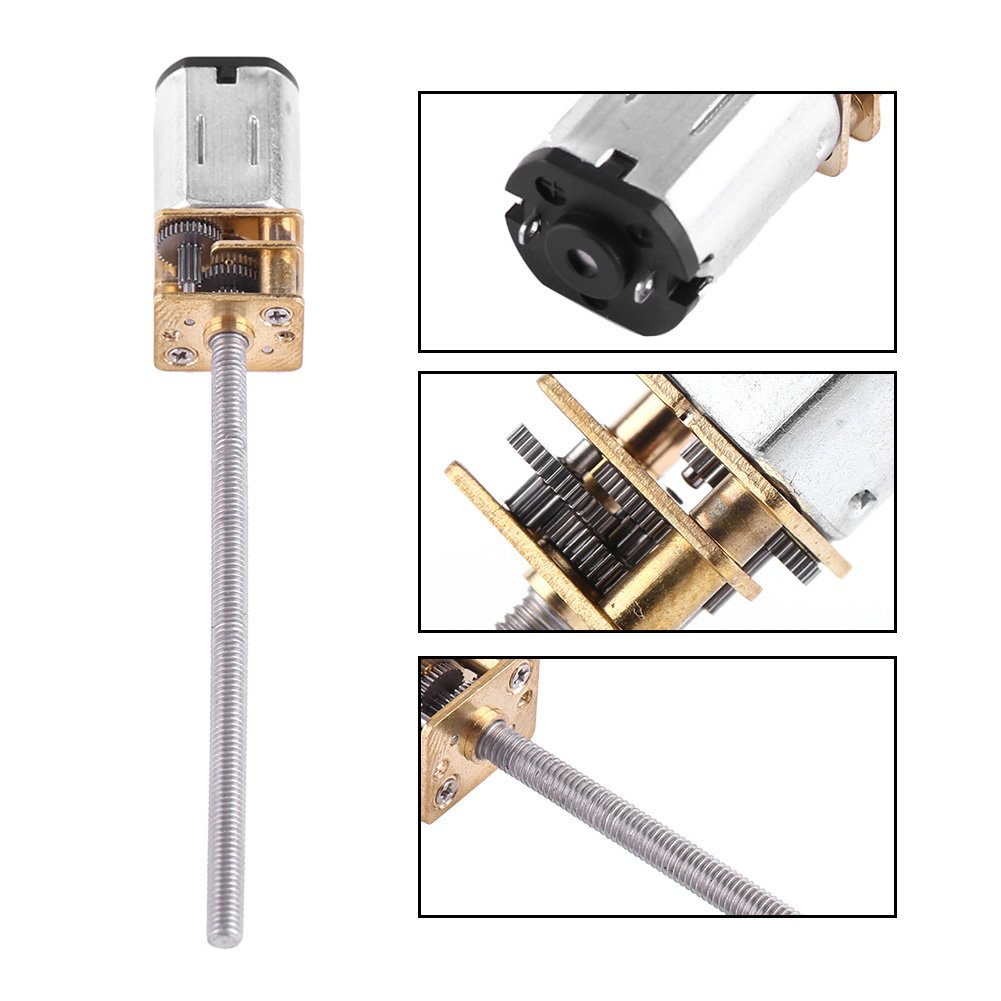
Figure 2: Detailed view of the motor's electrical connections and gear housing.

Figure 3: Dimensions of the gear motor, showing the 55mm shaft length and M3 diameter, alongside a coin for size comparison.
Operating Instructions
Once properly connected, the motor will begin to operate when power is applied. The direction of rotation can be reversed by switching the polarity of the DC 6V input.
- Power On: Apply DC 6V to the motor terminals. The motor will start rotating at its rated RPM.
- Direction Control: To reverse the direction of the shaft, simply reverse the polarity of the input voltage.
- Speed Options: This motor series is available in various speeds (30RPM to 500RPM). Ensure you have selected the correct motor variant for your application's speed requirements.

Figure 4: Illustration of different RPM variants of the DC 6V gear motor, highlighting the range of available speeds.
Specifications
| Parameter | Value |
|---|---|
| Voltage | DC 6V |
| Speed Options | 30RPM, 60RPM, 100RPM, 150RPM, 200RPM, 300RPM, 400RPM, 500RPM |
| Output Shaft Length | 55mm / 2.16" |
| Output Shaft Diameter | M3 (threaded) |
| Material | Alloy Steel (Gears) |
| Horsepower (approx.) | 0.24 Watts |
| Package Includes | 1 x Gear Motor |

Figure 5: Close-up of the full metal gears, highlighting their robust construction for durability and reduced noise.
Maintenance
The Walfront DC 6V Gear Motor is designed for low maintenance. However, following these general guidelines can help ensure its longevity:
- Keep Clean: Periodically clean the exterior of the motor to prevent dust and debris buildup, especially around the shaft and ventilation areas.
- Avoid Overload: Do not exceed the motor's rated torque or speed. Overloading can lead to premature wear of the gears and motor windings.
- Check Connections: Regularly inspect electrical connections to ensure they are secure and free from corrosion.
- Lubrication: The internal gears are pre-lubricated. Avoid disassembling the gearhead unless absolutely necessary, as this can compromise the lubrication and sealing.
Troubleshooting
If you encounter issues with your Walfront DC 6V Gear Motor, consider the following common problems and solutions:
| Problem | Possible Cause | Solution |
|---|---|---|
| Motor not spinning | No power, incorrect voltage, loose connections, motor jammed. | Check power supply (DC 6V), verify connections, ensure shaft is not obstructed. |
| Motor spinning slowly or weakly | Insufficient voltage/current, excessive load, worn gears. | Confirm power supply capacity, reduce load, inspect for internal damage (if safe to do so). |
| Excessive noise during operation | Misalignment, worn gears, foreign object in gear train. | Check mounting alignment, inspect for obstructions. If noise persists, internal wear may be present. |
| Motor overheating | Continuous overload, insufficient ventilation. | Reduce operating load, ensure adequate airflow around the motor. Allow motor to cool down. |
Related documentsWalfront

Ask a question about this manual
Ask about setup, troubleshooting, compatibility, parts, safety, or missing instructions. Manuals+ will review the question and use this page’s manual context to help answer it.