
1. Product Overview
The Blue Ox Ascent Tow Bar (Model BX4370) is engineered for flat towing smaller cars and SUVs behind a motorhome. Constructed from aircraft-grade aluminum, this tow bar is designed for durability and ease of use, featuring a lightweight build and a Class III rating with a 7,500 lb. towing capacity. Its design incorporates features that simplify connection and disconnection, even on uneven terrain.
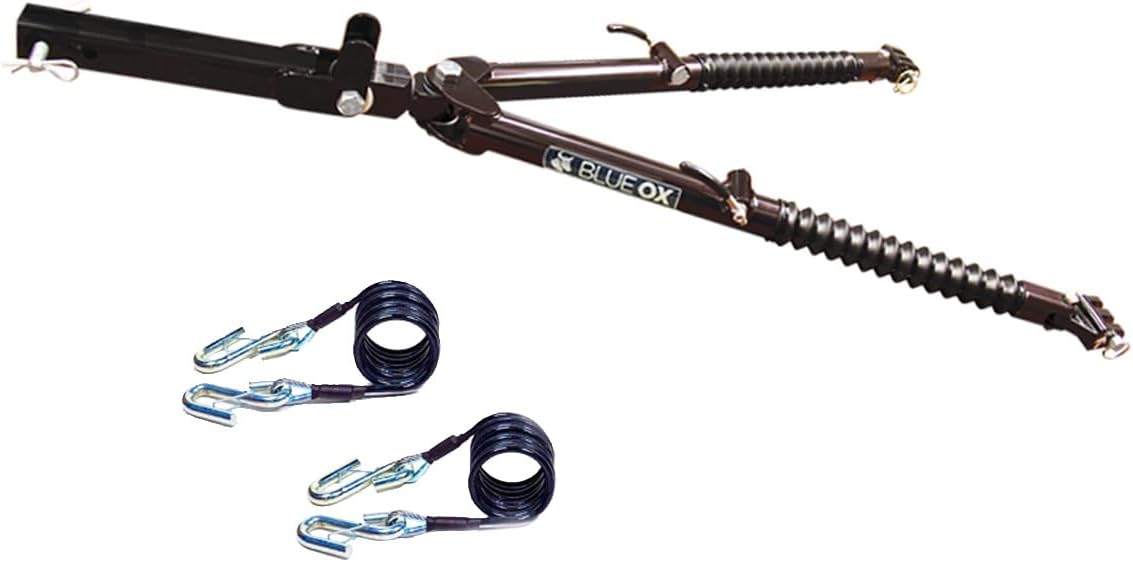
Image 1.1: The Blue Ox BX4370 Ascent Tow Bar, including the main unit and coiled safety cables.
2. Key Features
- Lightweight Construction: Made from aircraft-grade aluminum, weighing approximately 31 lbs.
- High Towing Capacity: Rated for vehicles up to 7,500 pounds Gross Vehicle Weight Rating (GVWR).
- 2-inch Receiver Compatibility: Designed for use with standard 2-inch receivers.
- Self-Aligning Arms: Facilitates easy hook-up and connection.
- Non-Binding Latches: Allows for simple unhooking, even on uneven surfaces.
- Offset Triple Lugs: Contributes to easier unhooking and improved maneuverability.
- Protective Rubber Boots: Shields the tow bar legs from dirt and debris.
- Integrated Safety Cables: Includes safety cables for secure towing.
- Compact Storage: Designed for easy stowing and storage without a centering pin.
- Durable Finish: Features a Diamond Vogel metallic powder coat finish.

Image 2.1: Visual representation of the tow bar emphasizing its 31 lb weight, Class III rating, aircraft-grade aluminum construction, and 7,500 lb towing capacity.

Image 2.2: Series of images illustrating the tow bar's lightweight nature, self-aligning capability, and ease of connection and storage.
3. Setup and Connection
Proper setup is crucial for safe towing. Ensure all components are in good condition before each use.
3.1 Attaching to the Towing Vehicle
- Insert the tow bar shank into the 2-inch receiver of your towing vehicle (motorhome).
- Secure the tow bar with the appropriate hitch pin and clip.
- Ensure the tow bar is seated firmly and there is no excessive play.
3.2 Connecting to the Towed Vehicle
The towed vehicle must have a compatible base plate installed according to its manufacturer's instructions.
- Position the towed vehicle directly behind the towing vehicle, ensuring they are as level as possible.
- Extend the tow bar arms and align the attachment points with the base plate tabs on the towed vehicle.
- Insert the clevis pins through the tow bar arms and base plate tabs, securing them with the provided clips. The self-aligning feature assists in this process.
- Connect the included safety cables. Cross the cables under the tow bar (right cable to left side of towed vehicle, left cable to right side) to create a cradle in case of accidental detachment.
- Connect any necessary electrical wiring for lights and braking systems (sold separately).
- Verify all connections are secure and pins are properly clipped before proceeding.
4. Operating Guidelines
Once connected, operate your towing setup responsibly.
4.1 Towing
- Perform a pre-trip inspection of all connections, lights, and braking systems.
- Drive cautiously, allowing for increased stopping distances and wider turns due to the added length and weight of the towed vehicle.
- The Ascent Tow Bar's design, including its offset triple lugs, aids in maneuvering around corners.
- Regularly check your mirrors to monitor the towed vehicle.
4.2 Disconnecting
The non-binding latches and offset triple lugs are designed to make disconnecting straightforward.
- Park on as level a surface as possible. If on uneven ground, the non-binding latches will assist in releasing the arms.
- Disconnect all electrical wiring and safety cables.
- Remove the clevis pins and clips from the base plate tabs on the towed vehicle.
- Retract the tow bar arms and secure them for storage. The tow bar can be easily stowed without a centering pin.
- Remove the tow bar from the towing vehicle's receiver if not needed for immediate re-connection.

Image 4.1: Close-up of the tow bar highlighting the off-set triple lugs and non-binding latches, designed for easy unhooking on various terrains.
5. Maintenance
Regular maintenance ensures the longevity and safe operation of your Blue Ox Ascent Tow Bar.
- Routine Inspection: Before each trip, inspect the tow bar for any signs of wear, damage, or corrosion. Check all pins, clips, and bolts for tightness.
- Cleaning: Keep the tow bar clean from dirt, road grime, and salt. Use mild soap and water, then rinse thoroughly.
- Lubrication: Periodically lubricate moving parts, such as the pivot points and arm extensions, with a suitable lubricant to ensure smooth operation.
- Rubber Boots: The integrated rubber boots protect the legs from dirt and debris. Inspect them for tears or damage and replace if necessary to maintain protection.
- Storage: When not in use, store the tow bar in a clean, dry place to prevent corrosion and damage.

Image 5.1: The tow bar featuring rubber boots designed to prevent dirt and debris from damaging the internal mechanisms of the legs.
6. Troubleshooting
This section addresses common issues you might encounter with your tow bar.
- Difficulty Connecting/Disconnecting: Ensure the towing and towed vehicles are as straight and level as possible. The non-binding latches are designed to assist on uneven terrain, but extreme angles can still cause issues. Check for any obstructions or debris in the connection points.
- Excessive Play or Movement: Verify that all pins, clips, and the hitch pin are securely in place and tightened. Inspect the tow bar arms and receiver for any signs of wear or damage that could lead to looseness.
- Unusual Noises During Towing: Stop safely and inspect all connections. Ensure safety cables are properly crossed and taut. Lubricate moving parts if squeaking or grinding is heard.
- Damaged Rubber Boots: If rubber boots are torn or damaged, they should be replaced to prevent dirt and moisture from entering the tow bar legs, which can lead to corrosion and operational issues.
If you experience persistent issues or significant damage, discontinue use and contact Blue Ox customer support for assistance.
7. Technical Specifications
| Specification | Detail |
|---|---|
| Model Number | BX4370 |
| Brand | Blue Ox |
| Towing Capacity | 7,500 lbs. GVWR (Gross Vehicle Weight Rating) |
| Receiver Size | 2 inches |
| Material | Aircraft-grade Aluminum |
| Item Weight | Approximately 31 lbs. |
| Vehicle Service Type | Car, SUV |
| Finish Type | Powder Coated (Diamond Vogel metallic) |
| Safety Cables | Included |
8. Warranty and Support
8.1 Warranty Information
The Blue Ox BX4370 Ascent Tow Bar is backed by a three-year limited warranty. This warranty covers defects in materials and workmanship under normal use. Please retain your proof of purchase for warranty claims. For full warranty terms and conditions, refer to the official Blue Ox warranty documentation or contact Blue Ox directly.

Image 8.1: The Ascent Tow Bar in use, highlighting its suitability for smaller cars and SUVs, inclusion of safety cables, and the three-year limited warranty.
8.2 Customer Support
For technical assistance, parts, or warranty service, please contact Blue Ox customer support. Refer to the official Blue Ox website or product packaging for the most current contact information.


