
1. Introduction
This manual provides essential information for the safe and efficient installation, operation, and maintenance of your AB BL14-30D Brazed Plate Heat Exchanger. This unit is designed for water-to-water heat exchange in various applications. Please read these instructions thoroughly before installation and use to ensure optimal performance and longevity of the product.
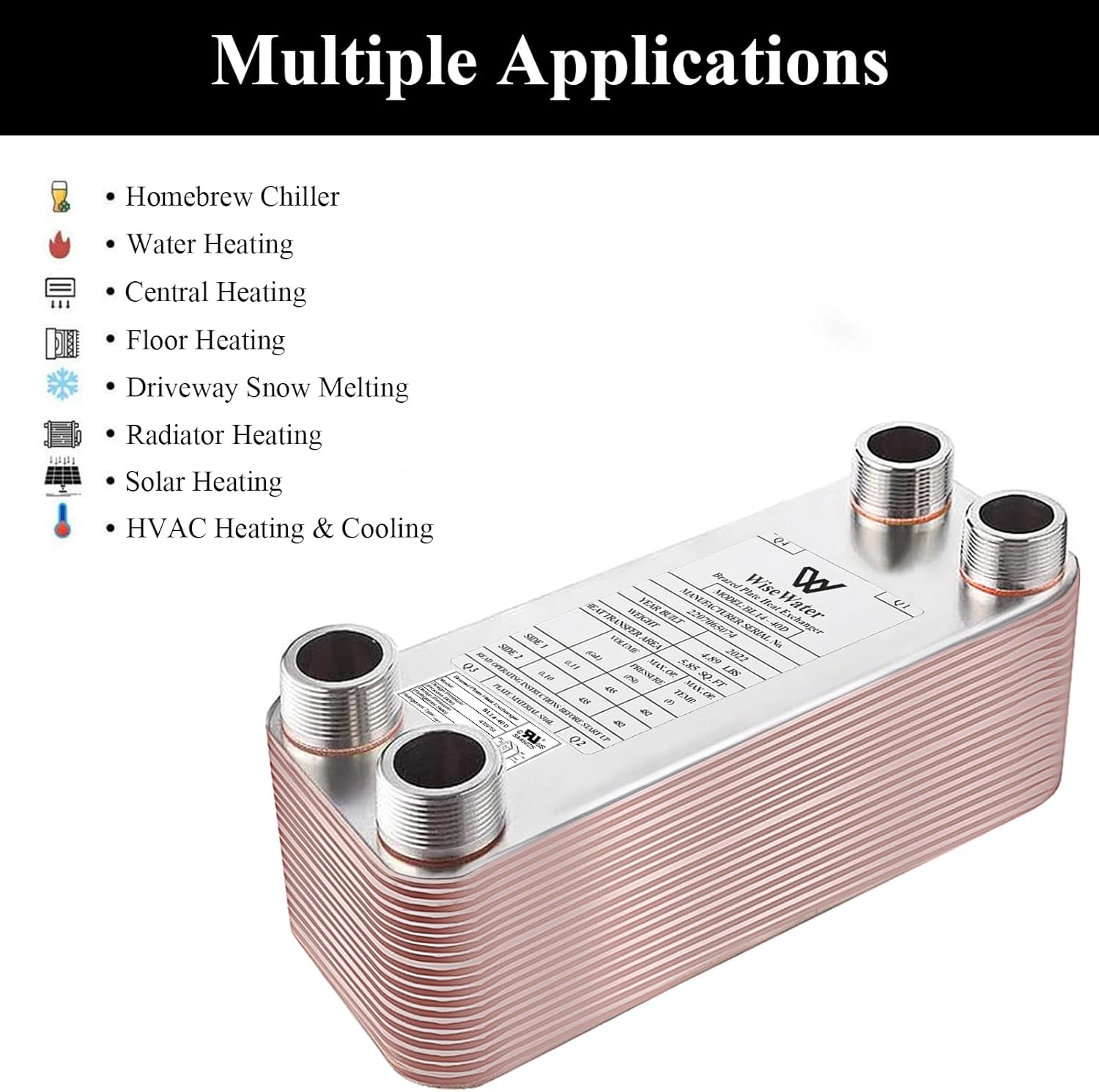
Figure 1: AB BL14-30D Brazed Plate Heat Exchanger
2. Safety Information
Adherence to these safety guidelines is crucial for preventing injury and damage to the equipment.
- Always ensure installation is performed by a qualified professional in accordance with all local plumbing and HVAC codes and regulations.
- Do not exceed the maximum operating pressure of 435 PSI (30 bar) or the maximum operating temperature of 482°F (250°C). Operating beyond these limits can cause severe damage and safety hazards.
- Wear appropriate personal protective equipment (PPE), such as gloves and eye protection, during installation and maintenance.
- The unit is designed exclusively for water-to-water heat exchange. Do not use with incompatible fluids or for applications other than its intended purpose.
- Ensure all connections are properly sealed to prevent leaks.
3. Product Features
The AB BL14-30D Plate Heat Exchanger offers robust construction and efficient performance:
- Premium Quality Materials: Constructed from high-grade SS316L stainless steel plates, brazed together with 99.9% copper for durability and corrosion resistance.
- Efficient Heat Transfer: Features 30 highly conductive, super-thin plates designed for optimal thermal efficiency in a compact unit.
- Durable Design: Brazed construction ensures a reliable, leak-resistant, and rugged unit capable of withstanding high pressure and temperature.
- Easy Installation: Equipped with smooth 3/4" MPT (Male Pipe Thread) connections for straightforward and flexible system integration.
- UL Certified: The product carries UL certification, ensuring compliance with recognized safety standards.

Figure 2: UL Certification for the heat exchanger
4. Specifications
| Specification | Value |
|---|---|
| Model Number | BL14-30D |
| Dimensions (W x H) | 3 inches x 8 inches |
| Number of Plates | 30 |
| BTU Capacity | 200,000 - 280,000 BTU/hour (application dependent) |
| Material | 99.9% Copper, Stainless Steel 316L |
| Maximum Operating Temperature | 482°F (250°C) |
| Maximum Operating Pressure | 435 PSI (30 bar) |
| Connection Type | 3/4" MPT (Male Pipe Thread) |
| Item Weight | 4 Pounds |
| Efficiency | Highly Efficient |
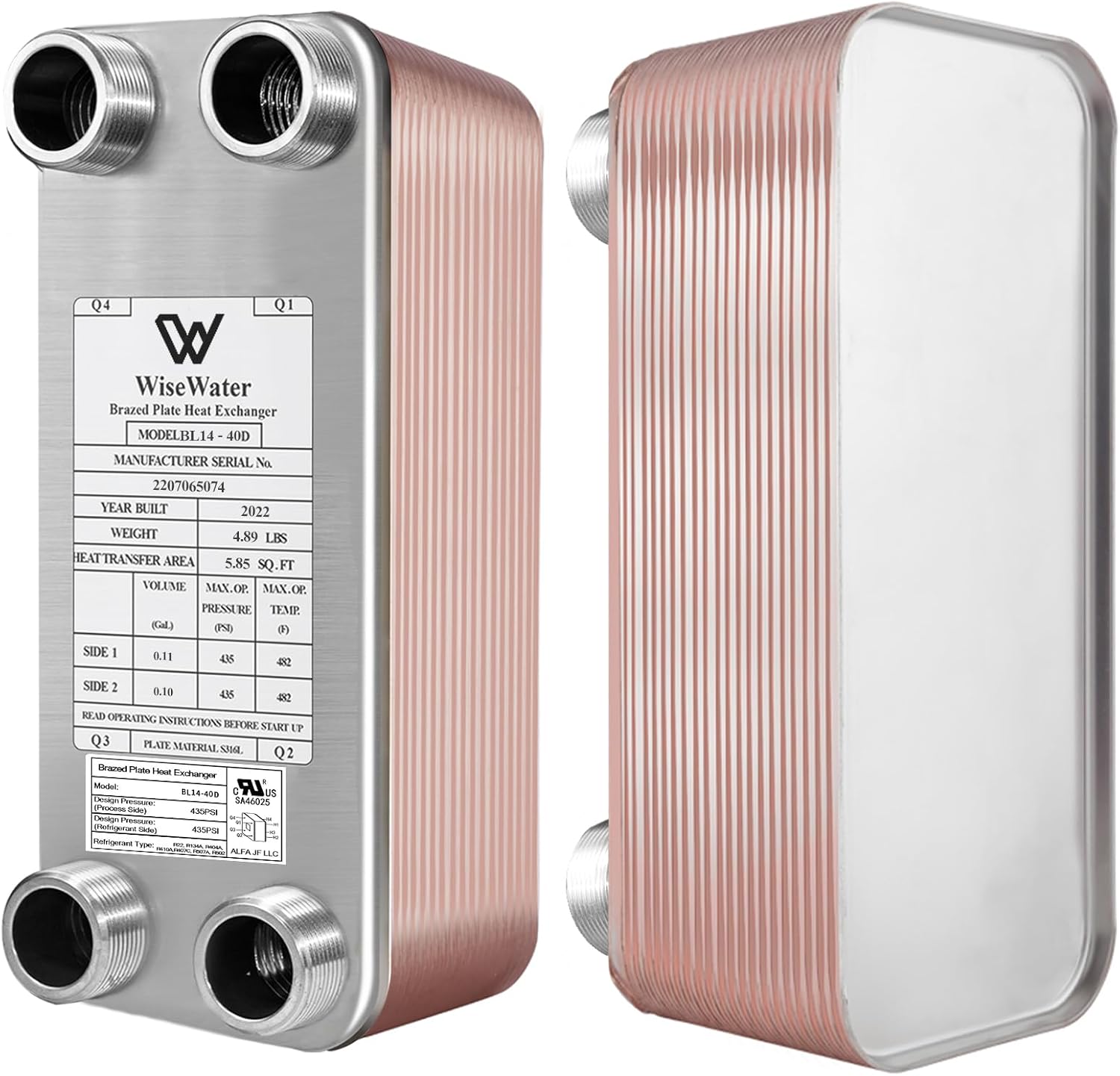
Figure 3: Example product label with specifications (Note: Image shows BL14-40D, but specifications apply to BL14-30D variant).
Hydronic Duty Table
Refer to the following table for performance characteristics under various hydronic heating conditions. This table provides guidance for domestic hot water heating and floor heating applications.

Figure 4: Hydronic Duty Table for AB Plate Heat Exchangers
5. Setup and Installation
Proper installation is critical for the safe and efficient operation of your heat exchanger. It is highly recommended that installation be performed by a certified HVAC or plumbing professional.
5.1 Unpacking and Inspection
- Carefully remove the heat exchanger from its packaging.
- Inspect the unit for any signs of shipping damage. Report any damage to the carrier immediately.
- Ensure all ports are clear of debris before installation.
5.2 Port Identification and Fluid Flow
The heat exchanger has four ports, typically labeled Q1, Q2, Q3, and Q4. Understanding the flow path is essential for correct installation.

Figure 5: Heat Exchanger Principle and Port Configuration
Typically, fluids enter and exit on opposite sides for counter-flow heat exchange, which is most efficient. Consult the diagram for specific port assignments for hot and cold fluid inlets and outlets.
5.3 Connection Guidelines
- Use appropriate pipe fittings and sealants (e.g., PTFE tape or pipe dope) for the 3/4" MPT connections to ensure a leak-free seal.
- Connect the primary (hot) fluid circuit to one set of ports and the secondary (cold) fluid circuit to the other set. Ensure correct flow direction as per the principle diagram.
- Install shut-off valves on both sides of the heat exchanger for ease of maintenance.
- Consider installing strainers or filters upstream of the heat exchanger to protect it from debris.
5.4 System Integration
The BL14-30D is suitable for various applications, including:
- Domestic Water Heating
- Floor Heating Systems
- Snow Melting Systems
- Radiator Heating
- Solar Heating Systems
- Hydraulic and Lube Oil Coolers (Water-Oil applications)

Figure 6: Multiple Applications of the Plate Heat Exchanger
5.5 Pre-Startup Checks
- After all connections are made, slowly fill the system with fluid and check for any leaks.
- Bleed air from both fluid circuits to ensure proper flow and prevent airlocks.
- Verify that system pressures and temperatures are within the specified operating limits of the heat exchanger.
6. Operating Instructions
The AB BL14-30D heat exchanger operates passively, facilitating heat transfer between two fluid streams without external power. Once installed correctly, its operation is continuous as long as fluids are flowing through it.
- Ensure a continuous flow of both the hot and cold fluids through their respective ports.
- The hot fluid will transfer thermal energy to the cold fluid as they pass through the interleaved plates, without mixing.
- Monitor system gauges (pressure, temperature) to ensure stable operation within design parameters.
7. Maintenance
Regular maintenance helps ensure the long-term efficiency and reliability of your heat exchanger.
- Periodic Inspection: Regularly inspect the heat exchanger and its connections for any signs of leaks, corrosion, or external damage.
- Flushing: Depending on water quality and system usage, periodic flushing of the heat exchanger may be necessary to remove mineral deposits or scale buildup. This is particularly important in systems with hard water or if the unit is connected to a steam boiler. A mild acid solution (e.g., vinegar) can be used for descaling, followed by a thorough rinse with clean water.
- Cleaning External Surfaces: Keep the exterior of the unit clean to prevent dust and debris accumulation.
8. Troubleshooting
If you experience issues with your heat exchanger, consider the following common troubleshooting steps:
| Problem | Possible Cause | Solution |
|---|---|---|
| Reduced Heat Transfer Efficiency |
|
|
| Leaks at Connections |
|
|
| High Pressure Drop Across Unit |
|
|
If problems persist after attempting these solutions, contact a qualified service technician.
9. Warranty and Support
The AB BL14-30D Plate Heat Exchanger comes with a 1-year warranty covering manufacturer defects from the date of purchase. This warranty ensures that your product is free from defects in materials and workmanship under normal use.
For warranty claims, technical assistance, or any questions regarding your product, please contact our customer support. Provide your model number (BL14-30D) and purchase details when seeking support to facilitate a quicker resolution.


