
AB BL14-10D
AB Plate Heat Exchanger User Manual
Model: BL14-10D
1. Introduction
This manual provides essential information for the safe and efficient installation, operation, and maintenance of the AB Plate Heat Exchanger. This 3"x8" model with 10 plates is designed for water-to-water heat transfer applications, featuring a durable construction of 316L stainless steel brazed with 99.9% copper.
Please read this manual thoroughly before attempting any installation or operation to ensure proper function and longevity of the unit.
2. Safety Information
Adherence to safety guidelines is crucial for preventing injury and damage to the equipment. Always follow local codes and regulations.
- Pressure and Temperature Limits: This heat exchanger is designed for water-to-water heat exchanging only, under a maximum operating pressure of 435 PSI and a maximum operating temperature of 400°F (204°C). Do not exceed these limits.
- Professional Installation: Installation should be performed by a qualified professional in accordance with all applicable plumbing and HVAC codes.
- System Compatibility: Ensure the heat exchanger is compatible with your existing system's materials and operating conditions.
- Leak Checks: After installation, thoroughly check all connections for leaks before operating the system at full pressure.
- Protective Gear: Always wear appropriate personal protective equipment (PPE) during installation and maintenance.
3. Product Overview
The AB Plate Heat Exchanger is a compact and highly efficient device designed for transferring heat between two fluids without mixing them. It consists of multiple thin, corrugated stainless steel plates brazed together, creating a series of channels for the fluids to flow through.
3.1 Key Features
- Premium Quality: Constructed from high-quality 316L stainless steel plates brazed with 99.9% copper for durability, leak resistance, and high pressure/temperature tolerance.
- Efficient Heat Transfer: Highly conductive and super-thin stainless steel plates ensure excellent performance for heating and cooling applications.
- Energy Saving: Operates without electricity or oxygen consumption, contributing to energy efficiency.
- Easy Installation: Features smooth threads for quick and flexible hookup.
- Versatile Applications: Suitable for domestic water heating, floor heating, snow melting, district or zone heating systems, outdoor wood furnaces, hydraulic and lube oil coolers, radiator heating, hydronic heating, and solar heating.
3.2 Components and Design

Figure 3.2.1: Front view of the AB Plate Heat Exchanger, showing the label with model number BL14-10D, weight, heat transfer area, and maximum operating parameters for both sides.

Figure 3.2.2: Principle of operation, showing how cold and hot water flow through alternating channels to exchange heat without mixing. Cold water enters one side and exits warm, while hot water enters the other side and exits warm.
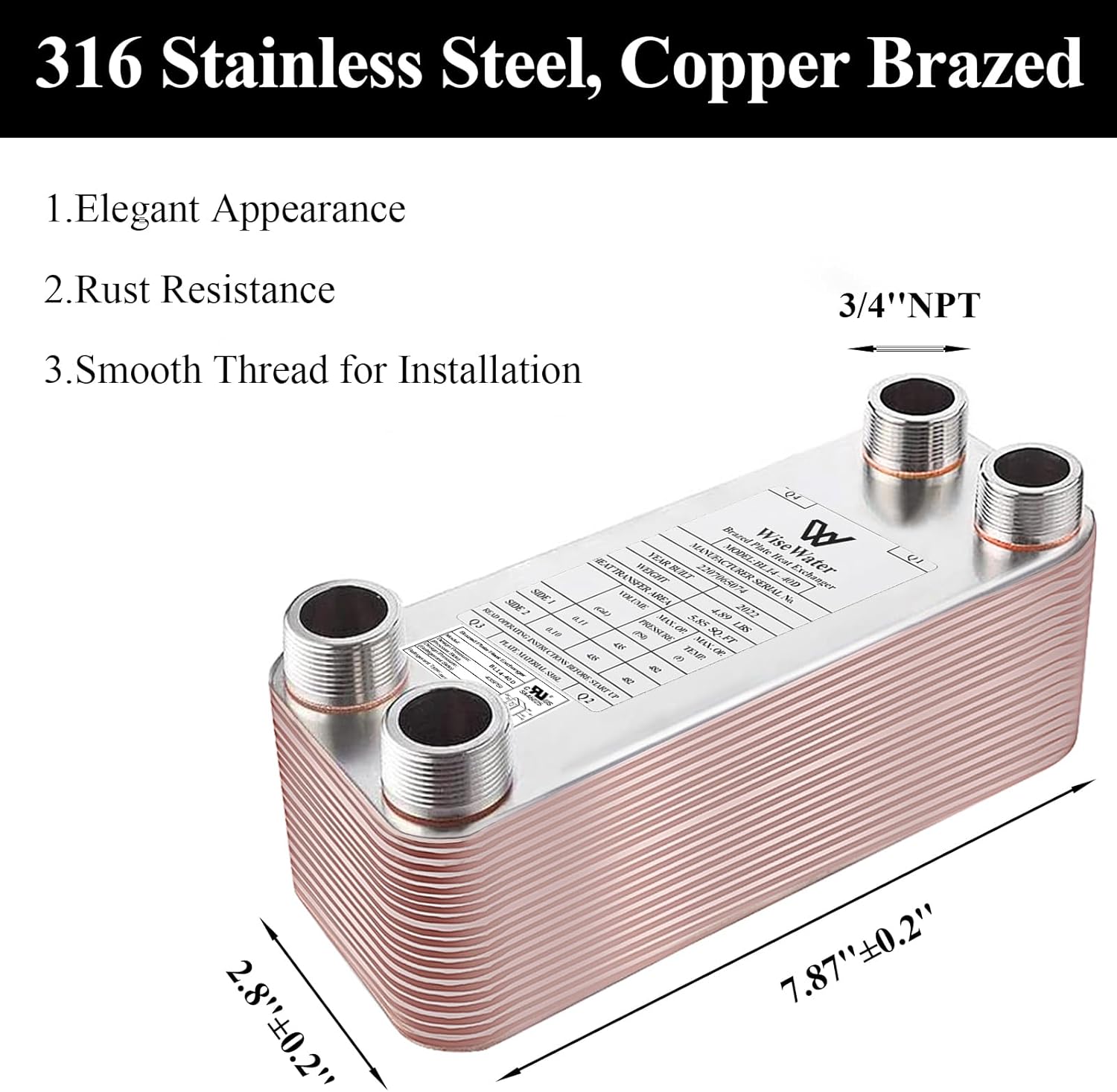
Figure 3.2.3: Detail of the 316 Stainless Steel and Copper Brazed construction, highlighting rust resistance and smooth 3/4" NPT threads for installation. Dimensions are approximately 7.87" (length) x 2.8" (width).
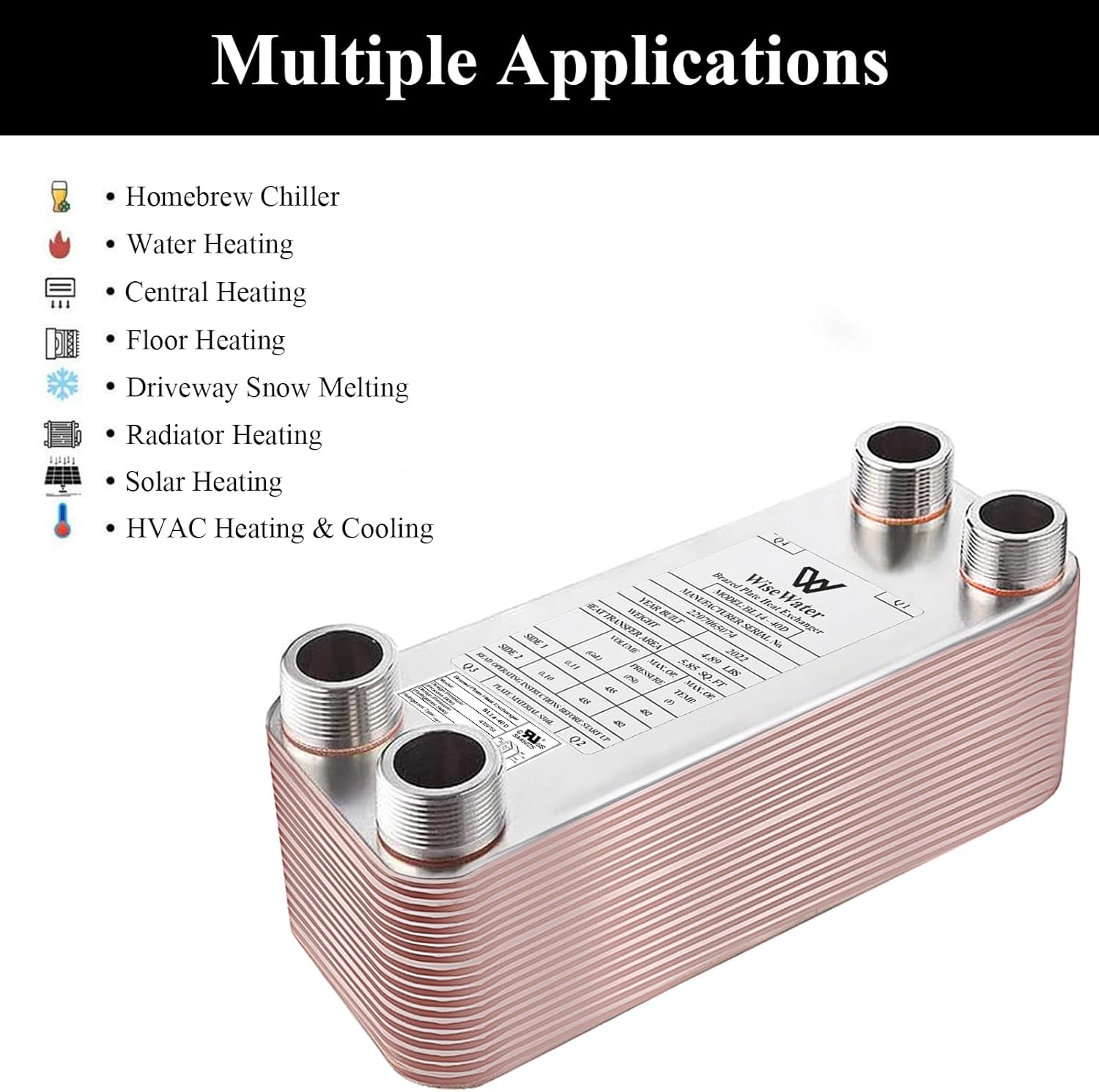
Figure 3.2.4: Overview of the multiple applications for which this heat exchanger is suitable, demonstrating its versatility in various heating and cooling systems.
4. Setup and Installation
Proper installation is critical for the performance and longevity of your heat exchanger. Refer to Figure 3.2.2 for understanding fluid flow paths.
- Location Selection: Choose a location that allows for easy access for installation, maintenance, and inspection. Ensure adequate clearance around the unit.
- Mounting: Securely mount the heat exchanger using appropriate brackets or supports. While mounting brackets are not included, ensure the unit is stable and level.
- Piping Connections: Connect the piping to the 3/4" MPT (Male Pipe Thread) ports. Ensure all connections are tight and sealed to prevent leaks. Use thread sealant suitable for your system's fluids and temperatures.
- Fluid Flow Direction: Observe the correct flow direction as indicated in Figure 3.2.2. Typically, the two fluids flow in opposite directions (counter-flow) for maximum heat transfer efficiency.
- System Flushing: Before initial operation, flush the entire system to remove any debris or air.
- Pressure Testing: After installation, perform a pressure test on the system to check for leaks at all connections. Do not exceed the maximum operating pressure of 435 PSI.
For specific system designs (e.g., hydronic heating, solar heating), consult with an HVAC professional to ensure optimal integration and performance.
5. Operating Instructions
The AB Plate Heat Exchanger operates by facilitating heat exchange between two separate fluid circuits. No direct user interaction is required during normal operation once installed.
- Fluid Circulation: Ensure both fluid circuits (e.g., primary and secondary loops) have adequate flow rates. Refer to the specifications table for recommended flow rates.
- Temperature and Pressure Monitoring: Regularly monitor the temperatures and pressures within your system to ensure they remain within the specified operating limits (Max. Operating Pressure: 435 PSI, Max. Operating Temperature: 400°F / 204°C).
- Efficiency: The design of the brazed plates ensures high thermal efficiency. A noticeable drop in heat transfer efficiency may indicate a need for maintenance.
6. Maintenance
Regular maintenance helps ensure the long-term efficiency and reliability of your plate heat exchanger.
- Inspection: Periodically inspect the exterior of the heat exchanger for any signs of leaks, corrosion, or physical damage.
- Cleaning: Over time, mineral deposits or debris can accumulate within the plates, reducing efficiency. Depending on water quality and system usage, chemical cleaning (CIP - Clean-In-Place) may be necessary. Consult a professional for appropriate cleaning procedures and chemicals.
- Pressure Relief Valves: Ensure that pressure relief valves in your system are functioning correctly to prevent over-pressurization of the heat exchanger.
7. Troubleshooting
This section provides guidance for common issues. For complex problems, contact a qualified technician.
| Problem | Possible Cause | Solution |
|---|---|---|
| Reduced Heat Transfer Efficiency | Fouling (scale or debris buildup) inside plates; insufficient flow rates; air in the system. | Perform chemical cleaning (CIP); check and adjust pump flow rates; bleed air from the system. |
| Leaks at Connections | Improperly tightened fittings; damaged threads or sealant. | Tighten connections; reapply thread sealant; replace damaged fittings. |
| Unusual Noises | Air in the system; excessive flow velocity; cavitation. | Bleed air; reduce flow rate if too high; check system pressure. |
8. Specifications
Detailed technical specifications for the AB Plate Heat Exchanger, Model BL14-10D.
| Attribute | Value |
|---|---|
| Brand | AB |
| Model Number | BL14-10D |
| Product Dimensions | 3"W x 8"H |
| Item Weight | 2.12 pounds |
| Maximum Operating Pressure | 435 PSI |
| Maximum Temperature | 482 Degrees Fahrenheit (250°C) |
| Maximum Flow Rate | 5.6 Gallons Per Minute (GPM) |
| Efficiency | Highly Efficient |
| Special Features | Dry Combustion Protection, Flame Failure Protection, High Water Pressure Protection (Note: These features are typically for water heaters, not the heat exchanger itself. This might be a miscategorization in the source data, but included as per source.) |
| Material | 316L Stainless Steel, Copper Brazed |
| Number of Plates | 10 Plates |
| Connection Type | 3/4" MPT |
8.1 Dimensional and Performance Data
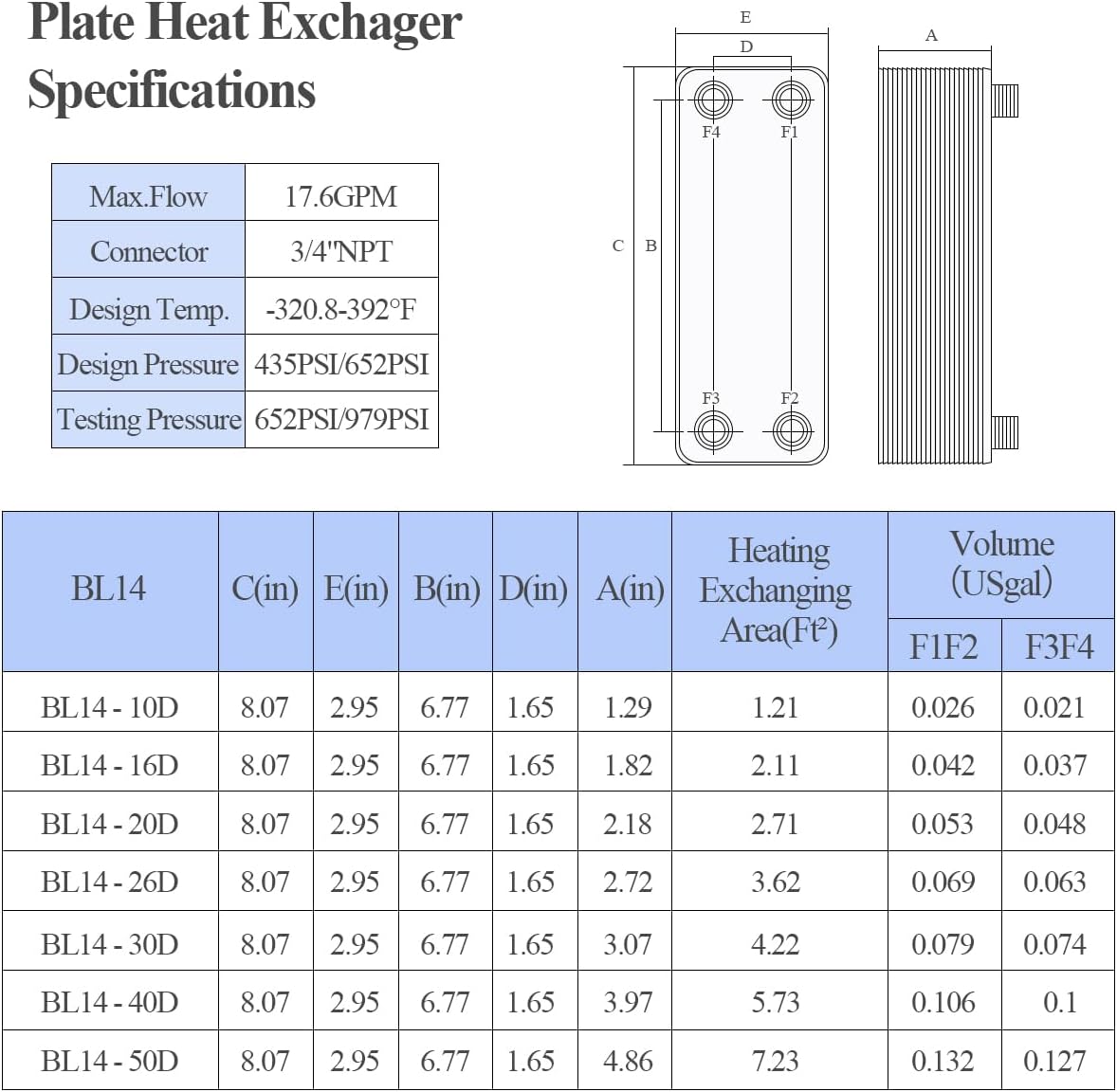
Figure 8.1.1: Detailed specifications table for BL14 series plate heat exchangers, including maximum flow rates, connector types, design temperatures, and pressures. It also provides dimensional data (C, E, B, D, A in inches) and heating exchanging area (Ft²) for various plate counts.
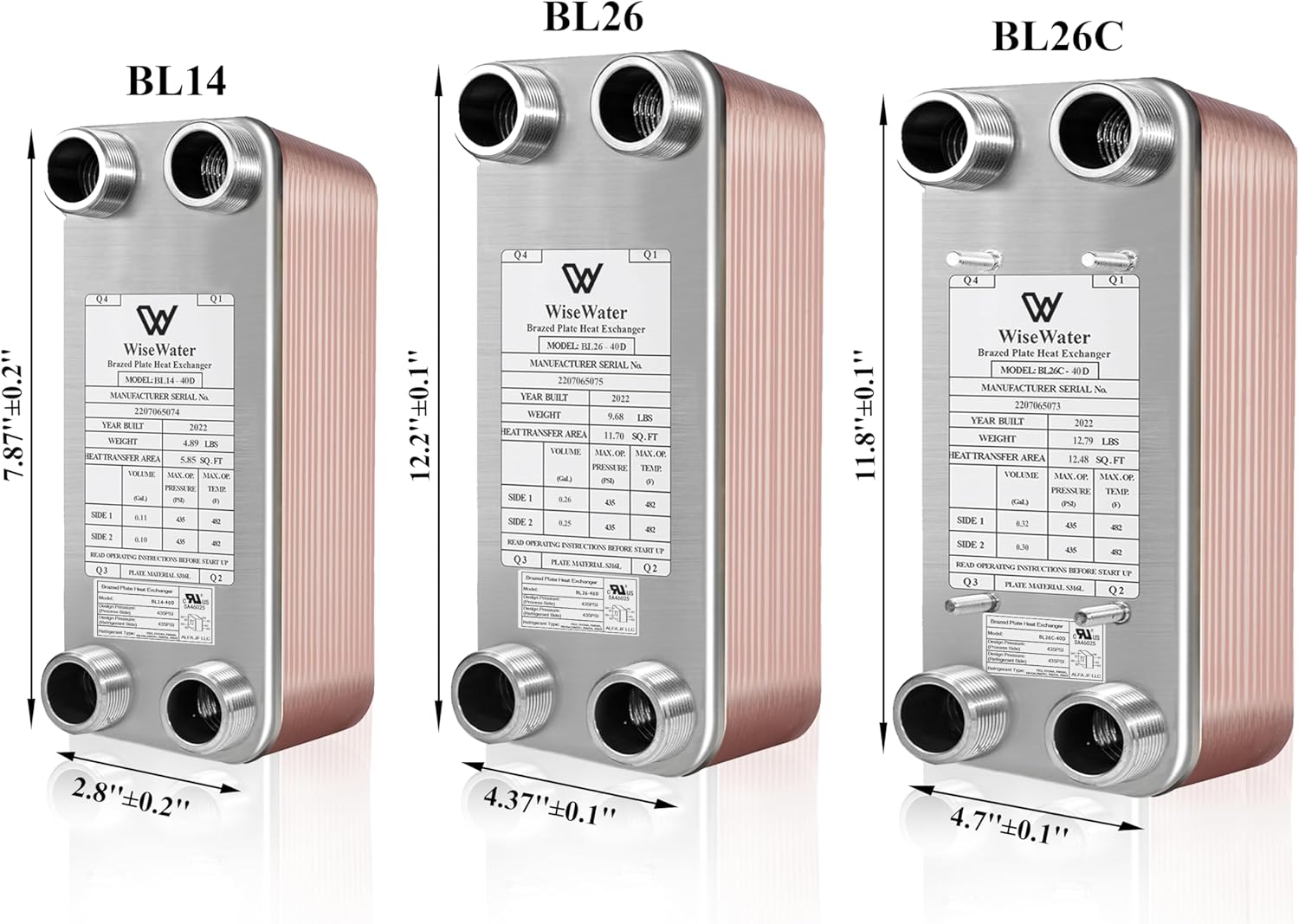
Figure 8.1.2: Visual comparison of different AB heat exchanger models (BL14, BL26, BL26C) showing their relative sizes and dimensions, useful for understanding product variations.

Figure 8.1.3: Hydronic Duty Table for BL14 series, providing performance data (boiler flow GPM, system flow GPM, kBtu/hr) for domestic hot water heating and floor heating applications across various plate counts.

Figure 8.1.4: Hydronic Duty Table for BL26 series, detailing performance metrics for domestic hot water heating, floor heating, and snow melting applications, including flow rates and heat output.

Figure 8.1.5: Hydronic Duty Table for BL26C series, presenting performance data for domestic hot water heating, floor heating, and snow melting, with specific flow rates and heat output for various configurations.
9. Warranty and Support
The AB Plate Heat Exchanger comes with a 1-year warranty covering manufacturer defects. This warranty ensures that the product is free from defects in materials and workmanship under normal use and service for one year from the date of purchase.
For warranty claims, technical support, or any inquiries regarding your product, please contact AB customer service. Refer to your purchase documentation or the seller's information for contact details.
AB is committed to providing 100% satisfaction service and premium quality products. If you encounter any issues, please reach out to us freely.
Related documentsBL14-10D


Ask a question about this manual
Ask about setup, troubleshooting, compatibility, parts, safety, or missing instructions. Manuals+ will review the question and use this page’s manual context to help answer it.