1. Product Overview
This document provides instructions for the Ford E40D Transmission Solenoid Pack Assembly, a critical component for controlling transmission functions in compatible vehicles. This is a quality remanufactured part designed to meet original equipment specifications.
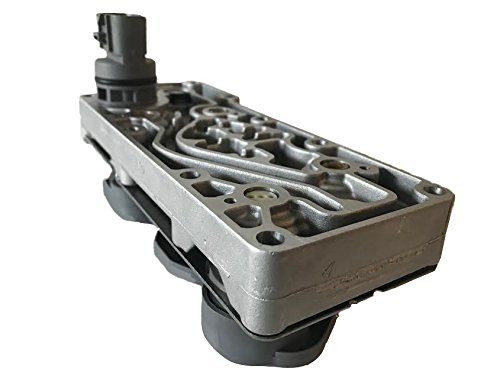
Image: Ford E40D Transmission Solenoid Pack Assembly, illustrating the component's design.
The solenoid pack is responsible for regulating fluid pressure and directing it to various clutch packs and bands within the transmission, enabling smooth gear changes and efficient operation. This particular assembly is designed for non-PWM (Pulse Width Modulation) systems.
2. Compatibility
This E40D Transmission Solenoid Pack Assembly is compatible with specific Ford vehicle models and years. Please verify your vehicle's specifications before installation.
- Platform: 1995-1997 model years.
- Compatible Vehicles:
- Ford Bronco
- Ford F-Series (F-150, F-250, F-350)
- Ford Econoline Van (E-150, E-250, E-350)
- Engine Type: Specifically for 7.3L Diesel Truck applications.
- Fit Type: Vehicle Specific Fit.
Ensure your vehicle utilizes a non-PWM E40D transmission from the specified years for proper function.
3. Installation Guidelines
Installation of a transmission solenoid pack requires specialized knowledge and tools. It is highly recommended that this procedure be performed by a qualified automotive technician.
Safety Precautions:
- Always disconnect the vehicle's battery before beginning any work.
- Ensure the vehicle is securely supported on jack stands or a lift.
- Wear appropriate personal protective equipment, including safety glasses and gloves.
- Allow the transmission to cool completely before draining fluid.
General Installation Steps (Consult Service Manual for Specifics):
- Safely lift and support the vehicle.
- Drain the transmission fluid and remove the transmission pan.
- Locate and carefully disconnect the electrical connector(s) from the old solenoid pack.
- Remove any retaining bolts or clips securing the old solenoid pack.
- Carefully remove the old solenoid pack, noting its orientation.
- Install the new Ford E40D Solenoid Pack Assembly, ensuring proper seating and orientation.
- Secure the new solenoid pack with retaining bolts/clips and reconnect electrical connectors.
- Replace the transmission filter and pan gasket, then reinstall the transmission pan.
- Refill the transmission with the manufacturer-specified fluid to the correct level.
- Reconnect the battery and perform a functional test, checking for leaks and proper gear engagement.
Refer to your vehicle's specific service manual for detailed, step-by-step instructions and torque specifications.
4. Operating Principles
The E40D Transmission Solenoid Pack Assembly functions as the electronic control interface for the hydraulic system of the transmission. It receives signals from the vehicle's Powertrain Control Module (PCM) and translates them into hydraulic actions.
- Gear Engagement: Solenoids open and close fluid passages to engage and disengage clutch packs and bands, facilitating gear changes.
- Pressure Regulation: The pack helps regulate line pressure within the transmission, crucial for proper shifting and preventing slippage.
- Shift Quality: Proper functioning of the solenoid pack ensures smooth and timely shifts, contributing to overall vehicle performance and longevity of transmission components.
As a non-PWM unit, its solenoids operate in an on/off manner rather than modulating fluid flow through pulse width modulation.
5. Maintenance
The E40D Transmission Solenoid Pack Assembly itself is not a user-serviceable component. Its longevity is primarily dependent on the overall health and maintenance of the transmission system.
- Transmission Fluid: Regularly check and maintain the transmission fluid at the correct level and ensure it is clean. Use only the fluid type specified by Ford for your E40D transmission. Contaminated or low fluid can severely impact solenoid operation and transmission life.
- Fluid and Filter Changes: Adhere to the manufacturer's recommended schedule for transmission fluid and filter changes. A clogged filter can restrict fluid flow, affecting solenoid performance.
- Professional Inspection: Have your transmission system professionally inspected during routine vehicle maintenance to identify and address potential issues early.
6. Troubleshooting
If you experience transmission issues after installing or while using this solenoid pack, consider the following common symptoms. Note that these symptoms can indicate various transmission problems, and professional diagnosis is recommended.
- Delayed or Hard Engagement: If the transmission takes a long time to engage a gear (e.g., from Park to Drive) or engages with a harsh jolt, it could indicate issues with fluid pressure, solenoid function, or other internal components.
- Flaring or Slippage: If the engine RPMs increase significantly during a shift without a corresponding increase in vehicle speed (flaring), or if the transmission feels like it's slipping out of gear, it may point to solenoid issues, low fluid, or worn clutch packs.
- Hard Upshifts or Downshifts: Abnormally harsh or abrupt gear changes, both when accelerating (upshifts) and decelerating (downshifts), can be a symptom of a malfunctioning solenoid pack or other hydraulic control problems.
- Check Engine Light: A malfunctioning solenoid pack can trigger a diagnostic trouble code (DTC) and illuminate the Check Engine Light. Scanning for codes can provide valuable diagnostic information.
For accurate diagnosis and repair, consult a certified automotive transmission specialist.
7. Specifications
| Brand | Ford |
| Manufacturer | FORD |
| Model Number | F81P-7G391-AA |
| ASIN | B073R6G6YC |
| Vehicle Service Type | Truck, Van |
| Fit Type | Vehicle Specific Fit |
| Date First Available | May 10, 2017 |
8. Warranty and Support
This remanufactured E40D Transmission Solenoid Pack Assembly comes with a one-year replacement warranty. For specific terms and conditions regarding the warranty, please refer to the documentation provided with your purchase or contact the manufacturer directly.
For technical assistance, diagnostic support, or to initiate a warranty claim, please contact the product manufacturer or your authorized dealer. Ensure you have your purchase details and vehicle information readily available.


