
1. Introduction
The Wagner Control Spray 250 Painter is designed for applying stains, lacquers, and some paints to small to medium-sized projects. This manual provides essential information for the safe and effective use, maintenance, and troubleshooting of your sprayer.
Key features include:
- Lightweight design for ease of use.
- Capable of spraying materials faster than traditional brushes.
- Three adjustable spray patterns: horizontal, vertical, and narrow round.
- 800 ml material cup capacity.
- Adjustable material flow control to minimize overspray and runs.
- Click-n-Paint nozzle assembly for simplified cleaning.
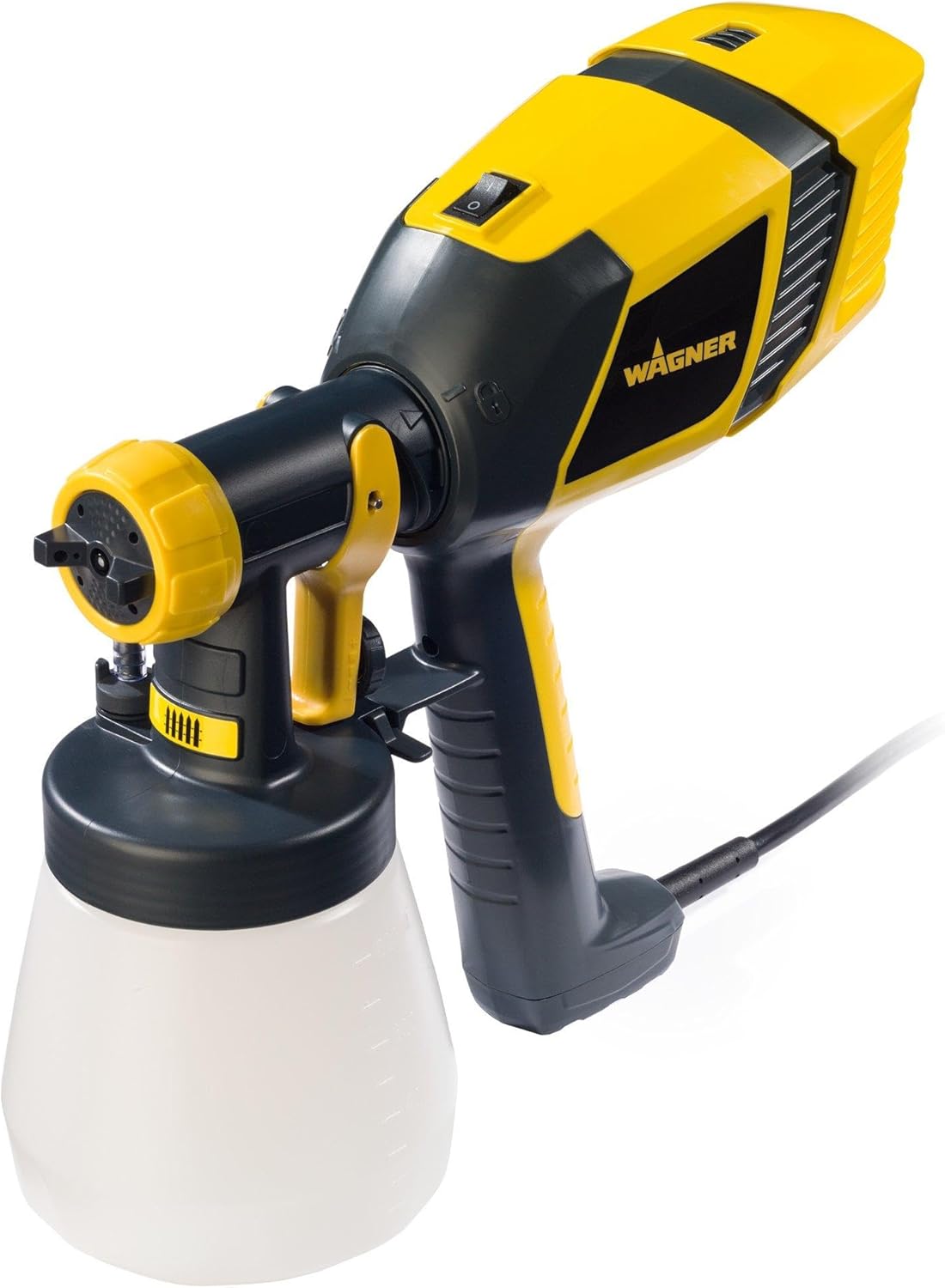
Image 1.1: The Wagner Control Spray 250 Painter, a handheld electric paint sprayer in yellow and black.
2. Safety Information
Always observe basic safety precautions when using this product to reduce the risk of fire, electric shock, and personal injury. Read all instructions before operating the sprayer.
- Ventilation: Use in a well-ventilated area.
- Eye Protection: Always wear safety glasses or goggles.
- Respiratory Protection: Wear a respirator or mask when spraying.
- Flammable Materials: Do not spray flammable materials near open flames, pilot lights, or other ignition sources.
- Electrical Safety: Ensure the power cord is undamaged and connected to a grounded outlet. Do not expose to rain or wet conditions.
- Chemical Safety: Follow the material manufacturer's safety instructions for the coating being sprayed.
- Children and Pets: Keep children and pets away from the work area.
3. Product Overview and Components
Familiarize yourself with the main components of your Wagner Control Spray 250 Painter.

Image 3.1: Diagram illustrating the key components of the Wagner Control Spray 250. Labels point to the On/Off Switch, Control Finish Nozzle, Pattern Adjustment Ring, Material Flow Control, and 800 ml Cup.
- On/Off Switch: Activates and deactivates the sprayer.
- Control Finish Nozzle: Provides consistent finish and low overspray.
- Pattern Adjustment Ring: Rotates to select horizontal, vertical, or round spray patterns.
- Material Flow Control: Adjusts the material output for desired coverage and speed.
- 800 ml Cup: Holds the material to be sprayed.
4. Setup
- Material Preparation:
Prepare your chosen material (stain, lacquer, or paint) according to the manufacturer's instructions. Some paints may require thinning to achieve the correct viscosity for spraying. Always strain your paint to prevent nozzle clogs.
- Fill the Material Cup:
Unscrew the 800 ml cup from the sprayer. Pour the prepared material into the cup, ensuring it does not exceed the maximum fill line. Securely reattach the cup to the sprayer.
- Select Spray Pattern:
Rotate the Pattern Adjustment Ring on the nozzle to select the desired spray pattern: horizontal for up-and-down motion, vertical for side-to-side motion, or round for detailed work.

Image 4.1: Visual representation of the three adjustable spray patterns: horizontal, vertical, and round.
- Adjust Material Flow:
Begin with the material flow control set to a low setting. This helps prevent drips and runs. You can increase the flow as needed during operation to match your covering speed and project size.
- Test Spray:
Before spraying your project, always perform a test spray on a piece of scrap material to verify the spray pattern and material flow. Adjust as necessary.
5. Operation
Proper technique ensures an even finish and efficient material usage.
- Holding the Sprayer:
Hold the sprayer approximately 6-8 inches (15-20 cm) from the surface, keeping it perpendicular to the surface. Avoid tilting the sprayer, as this can affect the spray pattern.
- Spraying Technique:
Move the sprayer in smooth, even strokes, overlapping each pass by about 50%. Release the trigger at the end of each stroke to prevent excessive material buildup. Apply multiple thin coats rather than one thick coat to avoid runs and achieve a smoother finish.

Image 5.1: A user demonstrating proper spraying technique on a picket fence, applying an even coat of material.
- Managing Runs:
If runs occur, immediately wipe them away with a clean cloth before the material dries. Adjust your material flow control or increase your spraying speed.
- Breaks During Spraying:
If taking a short break (5-10 minutes), ensure the nozzle does not dry out. A damp cloth can be used to occasionally wipe the nozzle tip to prevent clogging.
6. Maintenance and Cleaning
Thorough cleaning after each use is crucial for maintaining sprayer performance and longevity.
- Empty Material:
Empty any remaining material from the cup back into its original container. Wipe the inside of the cup clean.
- Rinse:
Fill the cup with an appropriate cleaning solution (water for water-based materials, mineral spirits for oil-based materials). Spray the cleaning solution through the sprayer until it runs clear. Dispose of waste material responsibly.
- Disassemble and Clean Nozzle:
The Click-n-Paint nozzle assembly separates easily from the turbine. Disassemble the nozzle components (nozzle cap, air cap, fluid nozzle). Clean all parts thoroughly with the appropriate cleaning solution and a brush. Pay close attention to small orifices to remove any dried material.

Image 6.1: Sprayer components, including the material cup and nozzle assembly, soaking in soapy water for cleaning.
- Clean Exterior:
Wipe down the exterior of the sprayer body with a damp cloth. Do not immerse the main power unit in liquid.
- Reassemble and Store:
Ensure all components are dry before reassembling. Store the sprayer in a clean, dry place.
7. Troubleshooting
Refer to the table below for common issues and their solutions.
| Problem | Possible Cause | Solution |
|---|---|---|
| No spray or weak spray | Clogged nozzle, material too thick, low material level, air leak. | Clean nozzle components. Thin material if necessary. Refill material cup. Ensure cup is tightly sealed. |
| Inconsistent spray pattern or spitting | Partially clogged nozzle, material not properly thinned, dried material on nozzle tip. | Thoroughly clean nozzle. Adjust material thinning. Wipe nozzle tip frequently during use. |
| Runs or drips | Material flow too high, spraying too close, moving too slowly. | Reduce material flow. Increase distance from surface. Increase spraying speed. Apply thinner coats. |
| Motor runs but no material sprays | Suction tube blocked, material cup empty, nozzle completely clogged. | Check and clear suction tube. Refill cup. Perform full nozzle cleaning. |
8. Specifications
| Feature | Detail |
|---|---|
| Brand | Wagner Spraytech |
| Model Number | 0518050 |
| Tank Volume | 800 Milliliters |
| Power Source | Electric |
| Item Weight | 3 Pounds (approx. 1.36 kg) |
| Product Dimensions | 6.25"W x 8"H (approx. 15.9 cm W x 20.3 cm H) |
| Recommended Uses | Painting, Staining |
| UPC | 024964251155 |
9. Warranty and Support
For warranty information or technical assistance, please contact Wagner Spraytech customer service. Wagner U.S. is based in Minneapolis, Minnesota, and their team is available to provide support and answer questions regarding your product.
Refer to the product packaging or the official Wagner Spraytech website for the most current contact details and warranty terms.


