
1. Introduction
This manual provides essential information regarding the operation, maintenance, and safety of your 2011 Dodge Caliber. Familiarizing yourself with its contents will ensure a safer and more enjoyable driving experience, and help maintain the vehicle's optimal performance and longevity. Please read this manual thoroughly before operating your vehicle.
2. Safety Information
Your safety and the safety of your passengers are paramount. This section outlines critical safety features and procedures.
- Seat Belts: Always wear your seat belt and ensure all passengers are properly restrained. Seat belts are the most effective safety device in a collision.
- Airbag System: The vehicle is equipped with a Supplemental Restraint System (SRS) including airbags. Do not place objects over or near airbag deployment areas.
- Child Restraints: Always use appropriate child restraint systems for children, installed according to the manufacturer's instructions and local regulations.
- Warning Lights: Pay immediate attention to any warning lights on your instrument panel. Consult the troubleshooting section or a qualified service technician if a warning light illuminates.
3. Getting Started: Controls and Features
This section guides you through the basic controls and features of your Dodge Caliber.
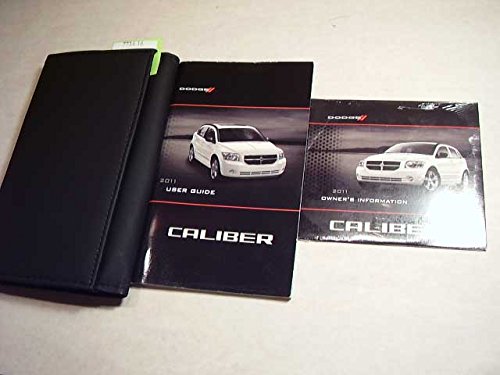
Image: Cover of the 2011 Dodge Caliber Owner's Manual. This image represents the official documentation for the vehicle.
3.1. Starting and Stopping the Engine
- Ensure the transmission is in Park (P) or Neutral (N).
- Insert the key into the ignition switch.
- Turn the key to the 'START' position and release once the engine starts. Do not hold the key in 'START' for more than 15 seconds.
- To stop the engine, turn the key to the 'OFF' position.
3.2. Lighting Controls
The headlamp switch is located on the dashboard to the left of the steering wheel. Rotate the switch to select:
- OFF: All lights off.
- Parking Lamps: Activates parking lamps, tail lamps, license plate lamps, and instrument panel lights.
- Headlamps: Activates headlamps in addition to parking lamps.
- Fog Lamps: Pull the switch out to activate fog lamps (if equipped) when headlamps are on.
4. Operating Your Vehicle
Proper driving techniques contribute to vehicle longevity and fuel efficiency.
4.1. Automatic Transmission Operation
The automatic transmission features a console-mounted shifter. To shift gears, press the brake pedal and move the shifter to the desired position:
- P (Park): Locks the transmission and prevents the wheels from turning. Use when parking.
- R (Reverse): For backing up.
- N (Neutral): Allows the wheels to roll freely. Use when towing or in an automatic car wash.
- D (Drive): For normal forward driving.
- L (Low): Provides maximum engine braking for steep downgrades or for increased power on steep upgrades.
4.2. Fueling Procedures
Your Dodge Caliber is designed to operate on unleaded gasoline with an octane rating of 87 AKI (Anti-Knock Index) or higher. The fuel filler door is located on the driver's side rear fender.
- Ensure the engine is off.
- Open the fuel filler door.
- Unscrew the fuel cap counter-clockwise.
- Insert the fuel nozzle and begin fueling.
- After fueling, replace the fuel cap and turn clockwise until it clicks. Close the fuel filler door.
5. Maintenance
Regular maintenance is crucial for the performance, safety, and longevity of your vehicle. Refer to the separate 'Maintenance Schedule' section in your physical manual for detailed intervals.
5.1. Fluid Checks
- Engine Oil: Check oil level regularly using the dipstick. Add recommended oil type if below the 'MIN' mark.
- Coolant: Ensure coolant level is between 'MIN' and 'MAX' marks when the engine is cold. Use only approved coolant.
- Brake Fluid: Check the brake fluid reservoir level. Low fluid may indicate brake system issues.
- Windshield Washer Fluid: Keep the reservoir filled for clear visibility.
5.2. Tire Care
Maintain correct tire pressure as specified on the tire placard located on the driver's side door jamb. Inspect tires regularly for wear and damage.
- Tire Pressure: Check monthly when tires are cold.
- Tire Rotation: Rotate tires every 6,000 to 8,000 miles (9,600 to 12,800 km) to ensure even wear.
6. Troubleshooting
This section addresses common issues you might encounter and provides basic solutions.
6.1. Engine Will Not Start
- Battery: Check battery terminals for corrosion or looseness. If the battery is dead, attempt a jump start.
- Fuel: Ensure there is sufficient fuel in the tank.
- Ignition: Confirm the key is fully inserted and turned correctly.
6.2. Flat Tire
If you experience a flat tire:
- Safely pull over to a level area away from traffic.
- Engage the parking brake and place the transmission in Park (P).
- Locate the spare tire, jack, and lug wrench (typically in the trunk).
- Follow the detailed instructions in your physical manual for safe tire changing.
7. Specifications
Key technical specifications for the 2011 Dodge Caliber.
| Category | Specification |
|---|---|
| Engine Type | Various 4-cylinder options (e.g., 2.0L, 2.4L) |
| Fuel Type | Unleaded Gasoline (87 AKI or higher) |
| Fuel Tank Capacity | Approximately 13.6 gallons (51.5 liters) |
| Tire Size (Standard) | Varies by trim level (e.g., P215/60R17) |
| Transmission | Automatic (CVT) or 5-speed Manual |
8. Warranty and Support
Your 2011 Dodge Caliber is backed by a comprehensive warranty. For specific terms and conditions, please refer to your Warranty Information Booklet provided with the vehicle.
8.1. Warranty Coverage
- Basic Limited Warranty: Covers most vehicle components for a specified period or mileage.
- Powertrain Limited Warranty: Covers engine, transmission, and drive system components for a longer period or mileage.
- Corrosion Perforation Limited Warranty: Covers body panel rust-through.
Note: Warranty coverage may vary based on region and original purchase date. Consult your official warranty booklet for precise details.
8.2. Customer Support
For assistance, service, or further information, please contact your authorized Dodge dealership or refer to the customer service contact details provided in your vehicle documentation.


