

1. Setup and Installation Preparation
The Delphi TC207 Suspension Ball Joint is designed for precise fitment and reliable performance. Proper preparation is essential for successful installation and long-term durability.
1.1 What's in the Box
- 1x Delphi TC207 Suspension Ball Joint

The Delphi TC207 Suspension Ball Joint, including necessary mounting hardware.
1.2 Preparation Steps
- Ensure the vehicle is safely supported on a lift or jack stands.
- Thoroughly clean the mounting area where the ball joint will be installed. Remove any rust, scale, or debris to ensure a proper fit and prevent premature wear.
- Refer to your vehicle's specific service manual for detailed installation procedures and torque specifications.
2. Operating Principles
The suspension ball joint is a critical component in your vehicle's steering and suspension system. It acts as a pivot between the steering knuckles and the control arms, allowing for smooth movement and precise control of the wheels.
- Smooth Operation: Manufactured with high-quality forgings for increased strength and smooth articulation.
- Durability: Utilizes chloroprene rubber boots to improve durability and prevent premature failure from contaminants.
- Precision Engineering: Machined to micron tolerances to guarantee durability and smooth joint operation, contributing to stable handling and even tire wear.
3. Maintenance
Regular inspection and maintenance of your suspension ball joints are vital for vehicle safety and performance. Early detection of wear can prevent more significant issues.
3.1 Inspection Schedule
- Inspect ball joints at regular service intervals as recommended by your vehicle manufacturer.
- Perform an inspection any time a wheel alignment is conducted.
3.2 Visual Inspection
- Check the rubber boots for cracks, tears, or signs of grease leakage. Damaged boots can allow contaminants to enter and accelerate wear.
- Examine the ball joint housing and stud for any visible damage, corrosion, or deformation.
3.3 Checking for Looseness
While some manufacturers allow for a small amount of play, excessive looseness can lead to alignment and handling issues. Use your best judgment when inspecting ball joints to determine if replacement is necessary.
- Vertical Looseness (Load-Carrying Ball Joints): With the suspension unloaded (e.g., using a floor jack to raise the tire so the upper control arm is not touching the frame), use a pry bar to check for vertical movement between the stud and ball joint housing.
- Horizontal Looseness (Load-Carrying Ball Joints): With the suspension unloaded, grasp the tire at the 3 and 9 o'clock positions and attempt to move it in and out.
- Axial Looseness (MacPherson Strut Suspensions): Lift the vehicle off the ground. Use a pry bar to lift the weight of the unloaded tire and wheel assembly. A dial indicator can be used to measure axial looseness.
- Radial Looseness (MacPherson Strut Suspensions): With the vehicle off the ground, push inward and pull outward on the bottom of the tire.
Even looseness within manufacturer specifications can contribute to alignment and handling problems, especially when combined with wear in other suspension components. If any significant play is detected, consult a qualified technician for further assessment.
4. Troubleshooting Common Issues
Identifying symptoms of a worn or failing ball joint can help prevent further damage and ensure vehicle safety.
4.1 Symptoms of a Failing Ball Joint
- Clunking or Popping Noises: Often heard when going over bumps or turning, indicating excessive play.
- Uneven Tire Wear: Worn ball joints can disrupt wheel alignment, leading to premature and uneven tire wear.
- Loose or Wandering Steering: The vehicle may feel less responsive, or you might experience difficulty keeping it in a straight line.
- Vibrations: Vibrations felt through the steering wheel or floorboards, especially at higher speeds.
4.2 Recommended Action
If you experience any of these symptoms, it is recommended to have your vehicle inspected by a certified mechanic immediately. Continuing to drive with a severely worn ball joint can lead to catastrophic suspension failure.
5. Product Specifications
| Attribute | Value |
|---|---|
| Manufacturer | Delphi |
| Brand | Delphi |
| Model | Suspension Ball Joint |
| Item Weight | 13.8 ounces |
| Product Dimensions | 4.1 x 3.3 x 2.9 inches |
| Item Model Number | TC207 |
| Exterior | Machined |
| Manufacturer Part Number | TC207 |
| OEM Part Number | 101-3409, 171 407 365F, B9061, BJ06098, MK9061 |
| Position | Rear |
5.1 Additional Product Views

Bottom view of the ball joint.

Top view of the ball joint.
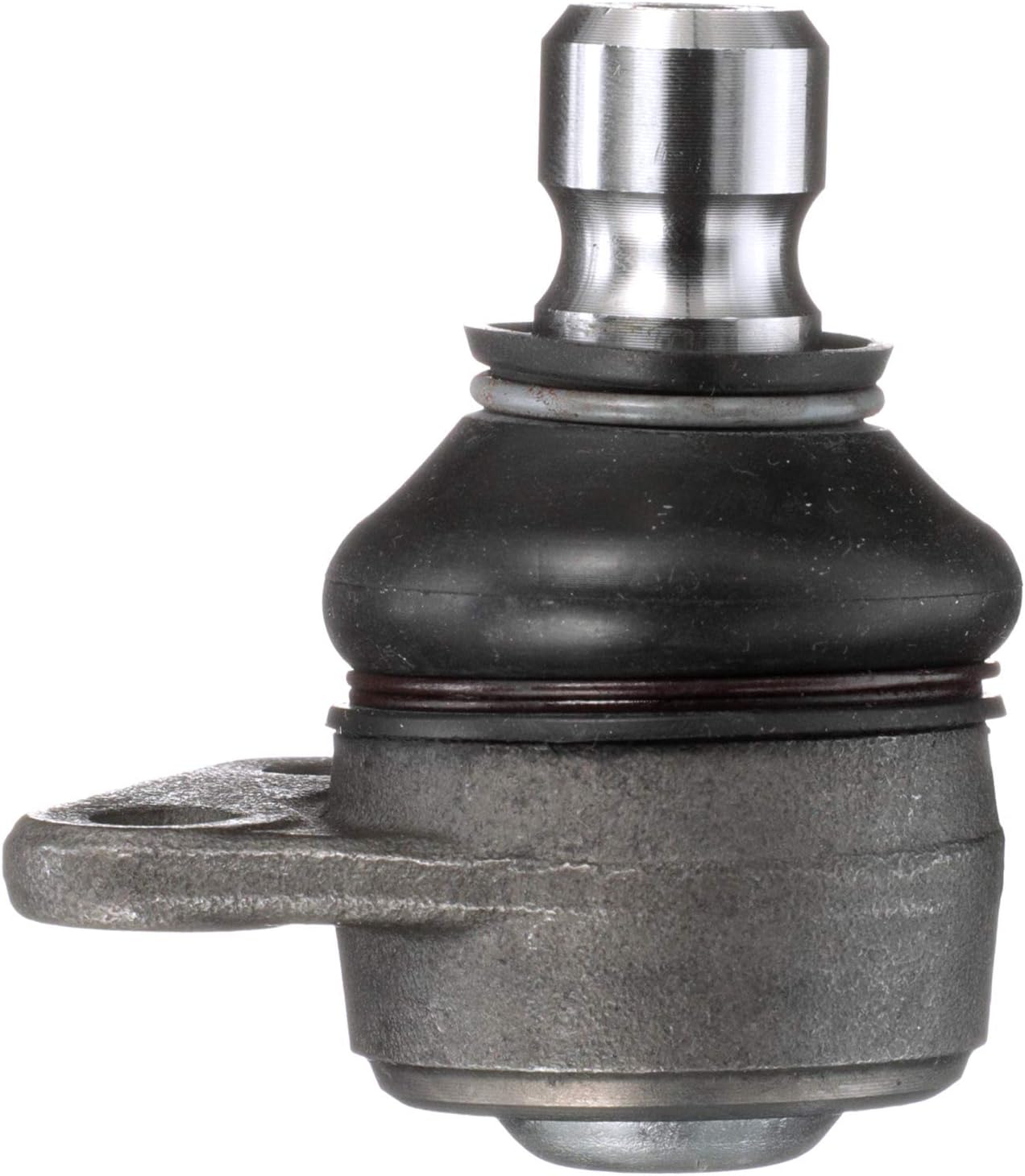
Side view of the ball joint.
6. Warranty Information
Please note the following regarding the warranty for this product:
Delphi products purchased through, from, or on Amazon do not qualify for Delphi’s standard LIMITED warranty. Any warranty on this product is offered by and is the sole responsibility of the seller identified on the shipment details of your order. Please review all warranties carefully and contact the identified seller for all warranty details and claims.
7. Customer Support
For additional support, technical assistance, or inquiries regarding the Delphi TC207 Suspension Ball Joint, please refer to the following resources:
- Visit the official Delphi website for product information and FAQs.
- Contact the seller directly for any purchase-related questions or warranty claims.
- Consult a certified automotive technician for professional installation or diagnostic services.