
1. Product Overview
The Renishaw RMP60 is a compact, high-precision spindle probe designed for machine tools. It utilizes radio signal transmission to facilitate automated part set-up and in-cycle gauging on various machining centers, including advanced 5-axis machines. Its robust design incorporates a proven kinematic mechanism for reliable performance.
Key features include:
- Wireless tool probe functionality.
- Secure Frequency Hopping Spread Spectrum (FHSS) technology.
- Operates on the globally recognized 2.4 GHz waveband, ensuring compliance with radio regulations in major markets.
- Offers various activation options and an adjustable trigger force for diverse applications.
- Achieves a high repeatability of 1 µm 2σ.

Figure 1.1: The Renishaw RMP60 Machine Tool Probe Kit as received in its original packaging, showing the probe, documentation, and accessories.
2. Safety Information
WARNING: Failure to follow these safety guidelines may result in injury or damage to the equipment.
- Always adhere to standard safety guidelines applicable to machining centers.
- Keep the probe away from liquids and excessive dust to prevent damage.
- Ensure the probe is not exposed to moving parts of the machine during installation or operation, unless specifically intended for measurement.
- Before performing any servicing, maintenance, or battery replacement, always ensure the machine tool is powered off and the probe is disengaged.
- Handle the probe with care to avoid dropping or impacting it, which could affect its precision.
3. Kit Components and Probe Anatomy
The Renishaw RMP60 kit typically includes the following main components:
- Renishaw RMP60 Machine Tool Probe unit
- Required batteries (e.g., AA or similar)
- Quick start guide and application documentation
- Stylus (may be pre-installed or included separately)

Figure 3.1: Contents of the RMP60 kit, showing the probe unit and two AA batteries within the custom-fit packaging.
The RMP60 probe itself is a precision instrument with several key external features:

Figure 3.2: Detailed view of the RMP60 probe, highlighting the Renishaw branding, model number, and serial number.

Figure 3.3: Side profile of the RMP60 probe, showing its cylindrical form and connection points.
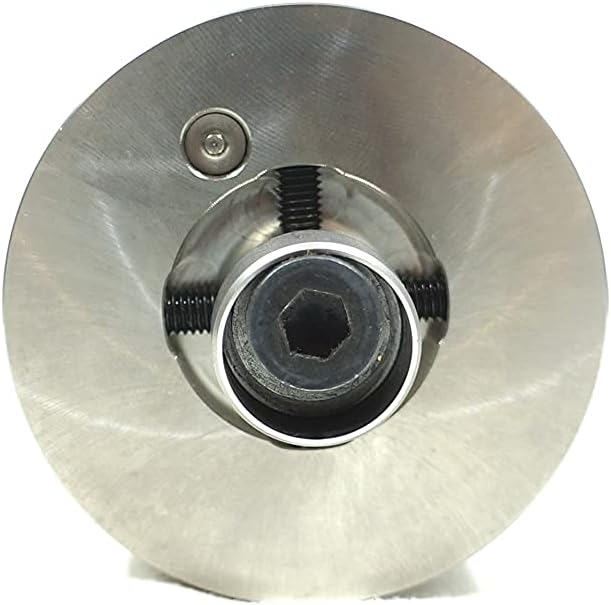
Figure 3.4: Top view of the RMP60 probe, showing the stylus mounting interface.

Figure 3.5: Bottom view of the RMP60 probe, showing the base and potential battery access point.
4. Setup and Installation
4.1 Battery Installation
- Locate the battery compartment on the RMP60 probe. Refer to the quick start guide for specific instructions on accessing the compartment.
- Insert the specified batteries (e.g., AA batteries) into the compartment, ensuring correct polarity (+/-).
- Securely close the battery compartment cover.

Figure 4.1: The RMP60 probe alongside its quick start guide and the included batteries, ready for installation.
4.2 Mounting the Probe
The RMP60 probe is designed for spindle mounting. Consult your machine tool's documentation and the Renishaw application guide for detailed mounting procedures. Ensure the probe is securely seated and aligned according to manufacturer specifications to maintain measurement accuracy.
4.3 System Integration
The RMP60 communicates wirelessly with a Renishaw receiver unit (sold separately or as part of a complete system). Refer to the specific receiver unit's manual for pairing and integration instructions. The probe operates on a 2.4 GHz frequency band, utilizing FHSS for reliable communication.
5. Operation
The RMP60 probe enables automated measurement cycles on CNC machine tools. Its primary functions include:
- Part Set-up: Automatically establish workpiece datums and orientations.
- In-Cycle Gauging: Measure critical features during the machining process to monitor dimensions and tool wear.
- Tool Setting: Can be used in conjunction with other Renishaw systems for precise tool length and diameter measurement.
5.1 Activating the Probe
The RMP60 can be activated through various methods, depending on the machine tool and receiver configuration. Common activation methods include M-code commands from the CNC controller or manual activation via the receiver unit. Refer to your machine tool and receiver documentation for specific activation sequences.
5.2 Adjusting Trigger Force
The probe features an adjustable trigger force mechanism, allowing optimization for different measurement applications and stylus configurations. This adjustment is typically performed using a small tool on the probe body. Refer to the detailed application guide for instructions on adjusting the trigger force.

Figure 5.1: Side view of the RMP60 probe, indicating the location for trigger force adjustment with '+' and '-' markings.
6. Maintenance
6.1 Cleaning
Regularly clean the exterior of the probe with a soft, lint-free cloth. If necessary, use a mild, non-abrasive cleaning solution. Avoid harsh chemicals or solvents that could damage the probe's housing or seals. Ensure the stylus tip is clean and free from debris for accurate measurements.
6.2 Battery Replacement
When the probe's battery indicator signals low power, or if performance degrades, replace the batteries promptly. Always use the recommended battery type and ensure correct polarity during installation. Refer to Section 4.1 for battery installation steps.
6.3 Stylus Inspection and Replacement
Periodically inspect the stylus for wear, damage, or contamination. A damaged stylus can lead to inaccurate measurements. Replace the stylus if any issues are detected. Use only genuine Renishaw replacement styli to ensure compatibility and maintain probe accuracy.
7. Troubleshooting
This section provides solutions to common issues encountered with the RMP60 probe.
| Problem | Possible Cause | Solution |
|---|---|---|
| Probe does not activate. | Low or dead batteries. Incorrect activation command. Probe out of range or obstructed. | Replace batteries. Verify M-code or activation sequence. Check line of sight to receiver; ensure probe is within operating range. |
| Inaccurate measurements. | Dirty or damaged stylus. Incorrect calibration. Probe not securely mounted. | Clean or replace stylus. Perform probe calibration according to Renishaw guidelines. Re-mount and secure the probe. |
| Intermittent communication. | Interference from other devices. Weak signal due to distance or obstruction. | Identify and mitigate sources of 2.4 GHz interference. Ensure clear line of sight and proper range between probe and receiver. |
For further assistance, refer to the detailed Renishaw RMP60 application guide or contact Renishaw technical support.
8. Technical Specifications
| Feature | Specification |
|---|---|
| Brand | Renishaw |
| Model Number | RMP60 |
| Color | Silver |
| Material | Metal |
| Power Source | Battery Powered (Batteries Required: Yes) |
| Item Weight | 3.4 Pounds (approximately 1.54 kg) |
| Adjustable Length | Yes |
| International Protection Rating | IP54 (Dust protected, splash resistant) |
| Operating Frequency | 2.4 GHz (FHSS) |
| Recommended Uses | Machine Detection, Automated Part Set-up, In-Cycle Gauging |
| Repeatability | 1 µm 2σ |
| Manufacturer | Renishaw |
| UPC | 608912696443 |
| ASIN | B06VVBRPZ1 |

Figure 8.1: Regulatory markings and model identification on the RMP60 probe, including FCC ID, IC, and CNC ID.
9. Warranty and Support
9.1 Product Warranty
The Renishaw RMP60 Machine Tool Probe Kit comes with a 1-year warranty from the date of purchase. This warranty covers defects in materials and workmanship under normal use. Please retain your proof of purchase for warranty claims.
For detailed warranty terms and conditions, refer to the official Renishaw documentation included with your product or visit the official Renishaw website.
9.2 Technical Support
For technical assistance, troubleshooting beyond this manual, or to inquire about service and repairs, please contact Renishaw customer support. Contact information can typically be found on the official Renishaw website or in the documentation provided with your product.
When contacting support, please have your product model (RMP60) and serial number (found on the probe, e.g., 2XK A22) readily available.


