
1. Introduction
This manual provides comprehensive instructions for the safe and effective use of the FAAC XT2 868SLH2-WHT 787009 two-channel transmitter. The XT2 868SLH2-WHT is designed for remote control applications, featuring SLH (Self-Learning Hopping) technology, where the transmission code changes with each use. This advanced algorithm ensures secure and reliable signal recognition and confirmation.
Please read this manual thoroughly before installation and operation to ensure proper functionality and to prevent damage to the device or property.
2. Product Overview
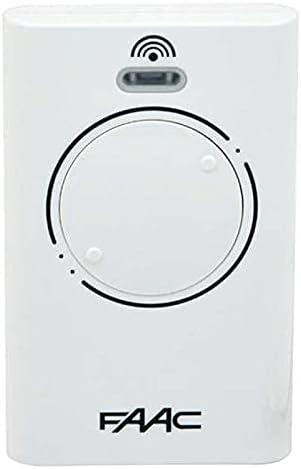
Figure 2.1: Front view of the FAAC XT2 868SLH2-WHT two-channel transmitter. This image shows the primary face of the remote control, highlighting its two main buttons and the FAAC logo at the bottom.
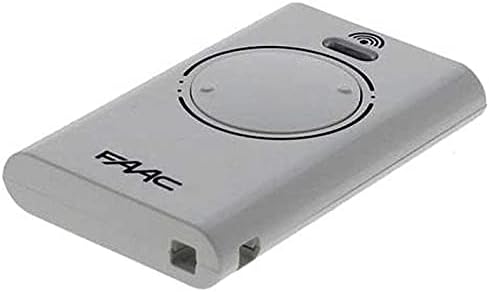
Figure 2.2: Angled view of the FAAC XT2 868SLH2-WHT remote control. This perspective provides a better look at the device's slim profile and the button layout.

Figure 2.3: Rear view of the FAAC XT2 868SLH2-WHT remote control. The back of the device displays regulatory markings and the model number, "787009 (XT2 868 SLH LR) 868 MHz", along with "Made in IE" and CE certification.
2.1 Key Features
- Two-channel transmitter for controlling two separate functions.
- SLH (Self-Learning Hopping) technology for enhanced security.
- Dynamic code changes with each use to prevent unauthorized access.
- Robust design for reliable performance.
- Operating frequency: 868 MHz.
3. Setup and Programming
The FAAC XT2 868SLH2-WHT transmitter typically requires programming to a compatible FAAC receiver. The exact programming procedure may vary depending on the receiver model. Always refer to the receiver's specific instruction manual for detailed programming steps.
3.1 Basic Programming Steps (General Guide)
- Access the Receiver: Locate the programming button or switch on your FAAC receiver unit. This is often found inside the control panel of your gate or garage door opener.
- Enter Programming Mode: Press and hold the programming button on the receiver until an indicator light (LED) illuminates or changes its blinking pattern, indicating it is in programming mode.
- Transmit Code from New Remote: While the receiver is in programming mode, press and hold one of the buttons on your new FAAC XT2 868SLH2-WHT transmitter for approximately 2-3 seconds.
- Confirm Programming: The receiver's indicator light should change again (e.g., turn solid, blink rapidly, or turn off) to confirm that the code has been successfully learned.
- Exit Programming Mode: Some receivers automatically exit programming mode after a short period, while others may require another press of the programming button.
- Test the Remote: After programming, test the transmitter from a short distance to ensure it operates the gate or garage door correctly.
Note: If you are replacing an existing remote, you may be able to clone the code from an old working remote to the new one. Consult your receiver's manual for "remote-to-remote" programming instructions if available.
4. Operating Instructions
Once programmed, the FAAC XT2 868SLH2-WHT transmitter is straightforward to operate.
4.1 Daily Use
- Button Functionality: Each of the two buttons on the transmitter can be programmed to control a different function (e.g., open/close gate, pedestrian opening, garage door).
- Activation: To activate the programmed function, simply press the corresponding button on the transmitter. The signal will be sent to the receiver, initiating the action.
- Range: The effective operating range of the transmitter can vary depending on environmental factors, obstacles, and the receiver's antenna. For optimal performance, ensure a clear line of sight if possible.
4.2 SLH (Self-Learning Hopping) Technology
The SLH technology ensures high security by changing the transmission code every time a button is pressed. The receiver is synchronized with the transmitter and recognizes the valid code. This prevents code grabbing and replay attacks, making your system more secure.
5. Maintenance
The FAAC XT2 868SLH2-WHT transmitter is designed for low maintenance. Regular care will ensure its longevity and reliable operation.
5.1 Battery Replacement
The transmitter is powered by a long-life battery. When the operating range decreases significantly or the indicator light (if present) fails to illuminate, it's time to replace the battery.
- Open the Casing: Carefully open the transmitter casing. This usually involves removing small screws on the back or prying open a seam with a small flat-head screwdriver. Refer to Figure 2.3 for screw locations.
- Identify Battery Type: Note the type and polarity of the existing battery. Most FAAC remotes use a standard coin cell battery (e.g., CR2032).
- Replace Battery: Remove the old battery and insert the new one, ensuring correct polarity (+/-).
- Close Casing: Securely close the transmitter casing.
- Test: Test the transmitter to ensure it functions correctly after battery replacement.
5.2 Cleaning
- Use a soft, dry cloth to clean the exterior of the transmitter.
- Do not use abrasive cleaners, solvents, or excessive moisture, as these can damage the electronic components.
5.3 Storage
- Store the transmitter in a dry place, away from direct sunlight and extreme temperatures.
- Avoid dropping the transmitter or subjecting it to strong impacts.
6. Troubleshooting
If you experience issues with your FAAC XT2 868SLH2-WHT transmitter, consult the following table for common problems and solutions.
| Problem | Possible Cause | Solution |
|---|---|---|
| Transmitter does not work. |
|
|
| Reduced operating range. |
|
|
| Transmitter works intermittently. |
|
|
If the problem persists after attempting these solutions, please contact FAAC customer support or a certified technician.
7. Technical Specifications
| Feature | Detail |
|---|---|
| Model Number | XT2 868SLH2-WHT 787009 |
| Brand | FAAC |
| Channels | 2 |
| Frequency | 868 MHz |
| Technology | SLH (Self-Learning Hopping) |
| Color | White |
| Manufacturer Reference | XT2 868SLH2-WHT 787009 |
| ASIN | B01NC3CDJ5 |
| Date First Available | June 21, 2022 (on Amazon.com.be) |
8. Disposal Information
This product contains electronic components and a battery. Do not dispose of it with general household waste. Please follow local regulations for the proper disposal of electronic waste and batteries. Look for designated collection points or recycling facilities.
The symbol of the crossed-out wheeled bin indicates that the product should not be disposed of with unsorted municipal waste but must be collected separately.


