
1. Introduction
This manual provides instructions for the proper use and maintenance of the Festool 201990 Polishing Sponge. Designed for paint preparation and the application of abrasive compounds, polishes, and waxes, this coarse yellow sponge is an integral part of the Festool polishing system.
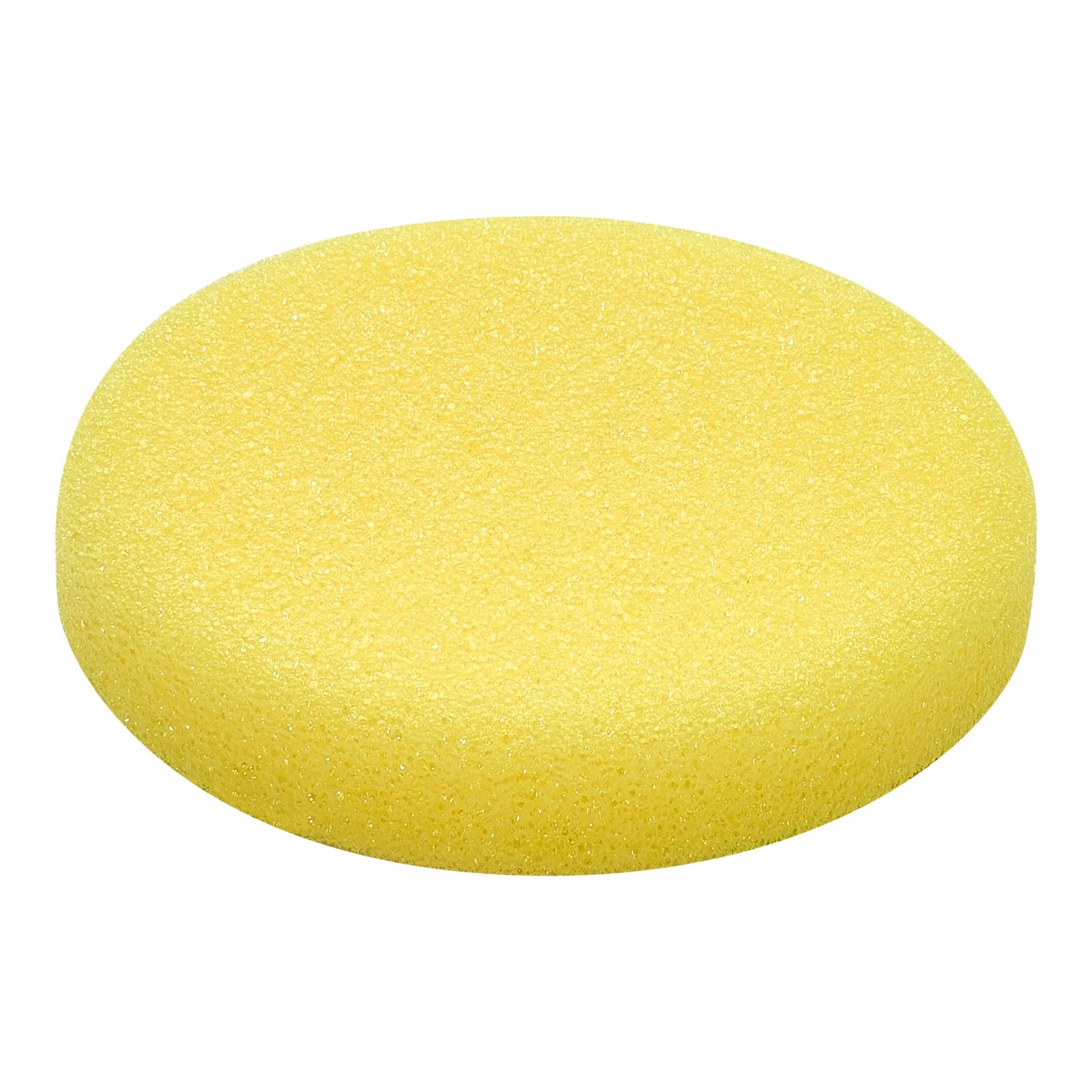
Figure 1: Festool 201990 Coarse Polishing Sponge. This image shows the round, yellow polishing sponge, designed for effective surface treatment.
2. Product Features
The Festool 201990 Polishing Sponge offers several key features for efficient and consistent polishing results:
- Color-Coded System: Part of a matched abrasive and sponge system, indicated by its yellow color, simplifying the selection process for specific polishing tasks.
- Progressive Design: Designed for coarse applications, contributing to a consistent and uniform delivery system across the range of Festool sponges, from coarse to extra-fine.
- Effective Performance: Integrates with Festool polishing machines to provide a comprehensive system for various surface treatment needs, from initial abrasive tasks to achieving high-quality finishes.
3. Setup and Preparation
Proper setup ensures optimal performance and safety:
- Inspect the Sponge: Before each use, examine the polishing sponge for any signs of damage, wear, or embedded debris. A damaged sponge can scratch the surface being polished.
- Clean the Surface: Ensure the surface to be polished is clean, dry, and free of dust, dirt, or contaminants.
- Attach to Polisher: Securely attach the Festool 201990 Polishing Sponge to a compatible Festool polishing machine. Ensure it is centered and firmly seated to prevent wobbling during operation.
- Apply Compound: Apply the appropriate coarse abrasive compound, polish, or wax directly to the sponge or sparingly onto the surface to be treated, following the compound manufacturer's instructions.
4. Operating Instructions
Follow these steps for effective use of the Festool 201990 Polishing Sponge:
- Start Low Speed: Begin polishing at a low speed to spread the compound evenly over the surface.
- Increase Speed: Gradually increase the polisher's speed to the recommended setting for the specific compound and desired finish.
- Maintain Even Pressure: Apply light, even pressure and move the polisher in a consistent pattern (e.g., overlapping passes) to ensure uniform coverage and avoid creating hot spots.
- Monitor Temperature: Periodically check the surface temperature to prevent overheating, which can damage the paint or material.
- Clean as You Go: If the sponge becomes saturated with compound or debris, clean it as described in the Maintenance section to maintain optimal performance.
- Finish: Once the desired result is achieved, reduce speed and remove any excess compound with a clean microfiber cloth.
Safety Note: Always wear appropriate personal protective equipment (PPE), such as safety glasses and gloves, when operating polishing machinery.
5. Maintenance and Storage
Proper maintenance extends the life of your polishing sponge and ensures consistent results:
- Cleaning After Use:
- Remove the sponge from the polishing machine.
- Rinse thoroughly with warm water to remove all compound residue.
- Gently squeeze out excess water. Avoid twisting or pulling the sponge aggressively.
- For stubborn residue, a mild detergent specifically designed for polishing pads can be used.
- Drying: Allow the sponge to air dry completely in a clean, well-ventilated area before storage. Do not expose to direct sunlight or excessive heat.
- Storage: Store clean, dry sponges in a dust-free environment, away from direct sunlight and extreme temperatures. Keeping them in their original packaging or a sealed container can help prevent contamination.
- Replacement: Replace the sponge when it shows signs of excessive wear, tearing, hardening, or if its polishing effectiveness diminishes.
6. Troubleshooting
While the Festool Polishing Sponge is designed for reliability, here are some common issues and solutions:
| Issue | Possible Cause | Solution |
|---|---|---|
| Poor Polishing Results | Incorrect compound, worn sponge, insufficient pressure, incorrect speed. | Ensure correct coarse compound is used. Replace worn sponge. Adjust pressure and speed according to instructions. |
| Swirl Marks / Scratches | Dirty sponge, embedded debris, excessive pressure, dry polishing. | Clean sponge thoroughly. Inspect surface for debris. Reduce pressure. Ensure surface and sponge remain adequately lubricated with compound. |
| Sponge Deterioration | Improper cleaning, harsh chemicals, excessive heat, prolonged use. | Follow cleaning and drying instructions. Avoid harsh chemicals. Monitor surface temperature. Replace sponge when worn. |
7. Specifications
| Attribute | Detail |
|---|---|
| Brand | Festool |
| Model Number | 201990 |
| Part Number | 201990 |
| Item Weight | 1.58 ounces |
| Product Dimensions | 5.12 x 5.12 x 4.72 inches |
| Grit Description | Coarse |
| Special Features | Durable |
| Included Components | Polishing Sponge D125X20 YE/5 |
| Item Package Quantity | 1 |
| Number Of Pieces | 1 |
| Measurement System | Metric |
| Date First Available | December 12, 2016 |
8. Warranty and Support
For detailed warranty information and customer support, please refer to the official Festool website or contact Festool customer service directly. Keep your purchase receipt as proof of purchase.
Festool Official Website: www.festool.com