
Continental ContiProContact
Continental ContiProContact Tire User Manual
Model: ContiProContact P195/65R15 89H
1. Introduction
The Continental ContiProContact is a premium, all-season touring tire designed for passenger cars and crossovers. It offers balanced year-round comfort and performance. This model incorporates advanced technologies such as ContiSilent and ContiSeal, which contribute to a quieter ride and enhanced safety through automatic puncture sealing.

Figure 1: Continental ContiProContact Tire
Key Features:
- Up to 80,000-mile limited treadwear coverage, ensuring long-lasting performance.
- Specifically tuned for original equipment applications to ensure precise fit and optimal performance.
- Enhanced traction in wet, dry, and light snowy conditions for reliable year-round driving.
- Designed for a smooth, comfortable ride with minimal road vibrations.
- Advanced tread pattern reduces road noise for a quieter, more enjoyable driving experience.
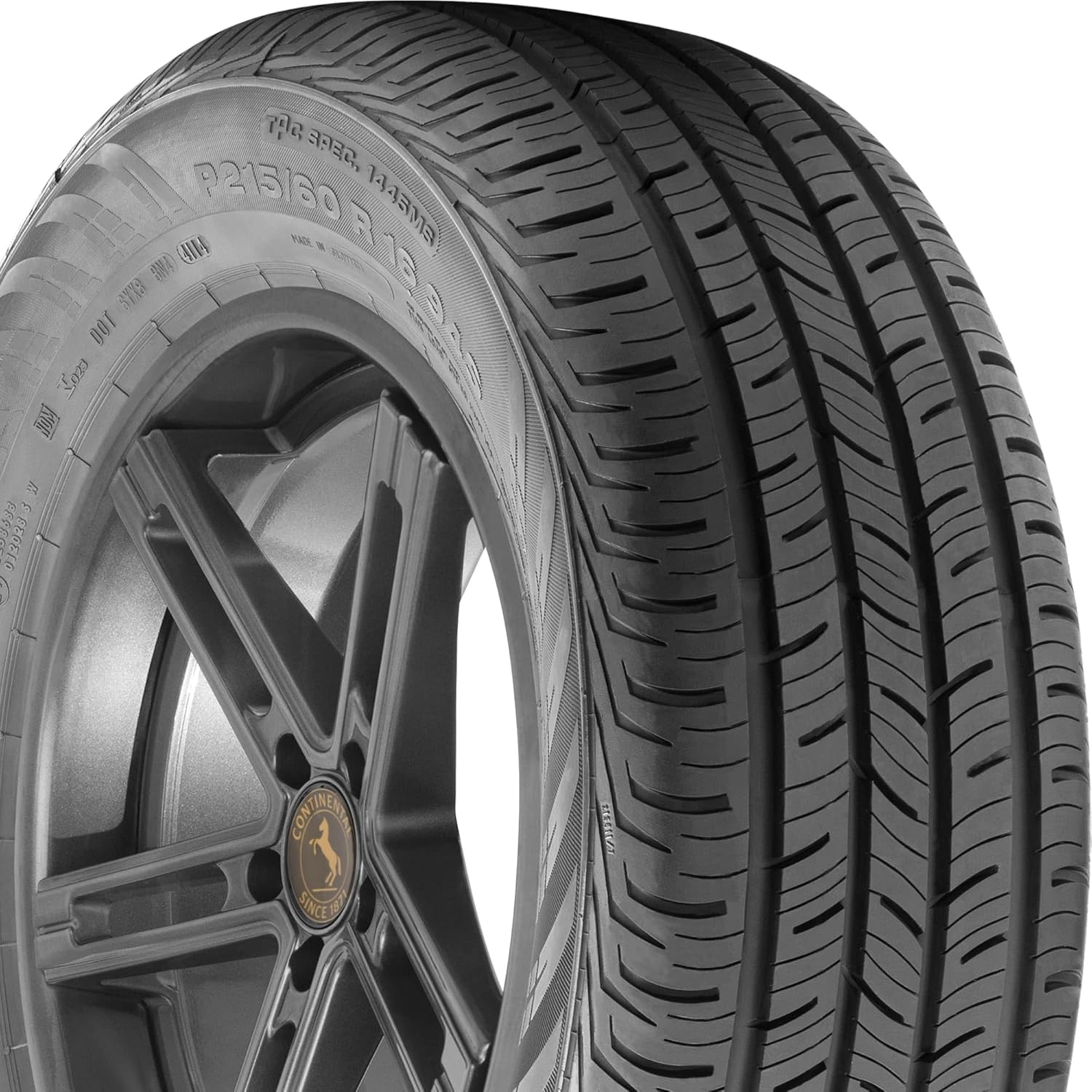
Figure 2: Continental Total Confidence Plan
2. Safety Information
Always prioritize safety when handling, installing, or operating with tires. Adhere to all local regulations and manufacturer guidelines.
General Safety Precautions:
- Tire Pressure: Maintain correct tire inflation pressure as specified by your vehicle manufacturer. Incorrect pressure can lead to tire failure, poor handling, and reduced fuel efficiency.
- Load Capacity: Do not exceed the maximum load capacity indicated on the tire sidewall and in your vehicle's owner's manual. Overloading can cause tire damage and blowouts.
- Speed Rating: Do not exceed the tire's speed rating. High speeds can generate excessive heat, leading to tire failure.
- Tread Depth: Regularly check tread depth. Worn tires have reduced traction, especially in wet conditions. Replace tires when tread depth reaches the minimum legal limit.
- Professional Installation: Tire installation should always be performed by trained professionals using proper equipment to ensure safety and correct fitment.
- Storage: Store tires in a cool, dry place away from direct sunlight, heat sources, and chemicals that can degrade rubber.
3. Setup and Installation
Proper installation is crucial for tire performance and safety. It is highly recommended that tire mounting and balancing be performed by certified automotive technicians.
Installation Steps (for professional reference):
- Inspection: Before mounting, inspect the tire for any damage, defects, or foreign objects. Ensure the tire size and type match the vehicle's specifications.
- Rim Compatibility: Verify that the rim is clean, undamaged, and compatible with the tire size.
- Lubrication: Apply a suitable tire mounting lubricant to the tire beads and rim flanges.
- Mounting: Use a tire mounting machine to carefully mount the tire onto the rim, avoiding damage to the beads.
- Inflation: Inflate the tire slowly to the recommended seating pressure, ensuring both beads are properly seated on the rim. Do not exceed the maximum seating pressure indicated on the tire sidewall.
- Balancing: Balance the tire and wheel assembly using a calibrated balancing machine to prevent vibrations and ensure smooth operation.
- Final Pressure Adjustment: Adjust the tire pressure to the vehicle manufacturer's recommended cold inflation pressure, typically found on a placard inside the driver's door jamb or in the owner's manual.
4. Operating Guidelines
Optimal tire performance and longevity depend on adherence to proper operating practices.
Driving Considerations:
- Regular Pressure Checks: Check tire pressure at least once a month and before long trips, always when tires are cold. Proper inflation is critical for safety, handling, and tire life.
- Tire Rotation: Rotate tires according to your vehicle manufacturer's recommendations, typically every 5,000 to 7,500 miles. This promotes even wear and extends tire life.
- Driving Habits: Avoid sudden acceleration, harsh braking, and aggressive cornering, as these can accelerate tire wear.
- Road Hazards: Be mindful of potholes, curbs, and other road hazards that can cause immediate or cumulative damage to tires and wheels.
- ContiSeal Technology: This tire features ContiSeal technology, a proprietary sealant compound applied to the inner liner that automatically seals punctures up to 5mm in diameter in the tread area. While it provides temporary mobility, a professional inspection and repair are still required as soon as possible after a puncture.

Figure 3: ContiSeal Technology Explained
5. Maintenance and Care
Regular maintenance extends the life of your tires and ensures continued safe operation.
Recommended Maintenance:
- Tread Inspection: Visually inspect tires regularly for signs of uneven wear, cuts, cracks, bulges, or embedded foreign objects. Pay attention to the tread wear indicators (TWIs).
- Wheel Alignment: Have your vehicle's wheel alignment checked periodically, especially if you notice uneven tire wear or steering issues. Proper alignment prevents premature and irregular tire wear.
- Wheel Balancing: If you experience vibrations while driving, have your wheels re-balanced. Unbalanced wheels can cause uneven tire wear and discomfort.
- Cleaning: Clean tires with mild soap and water. Avoid using harsh chemicals or petroleum-based products that can degrade the rubber.
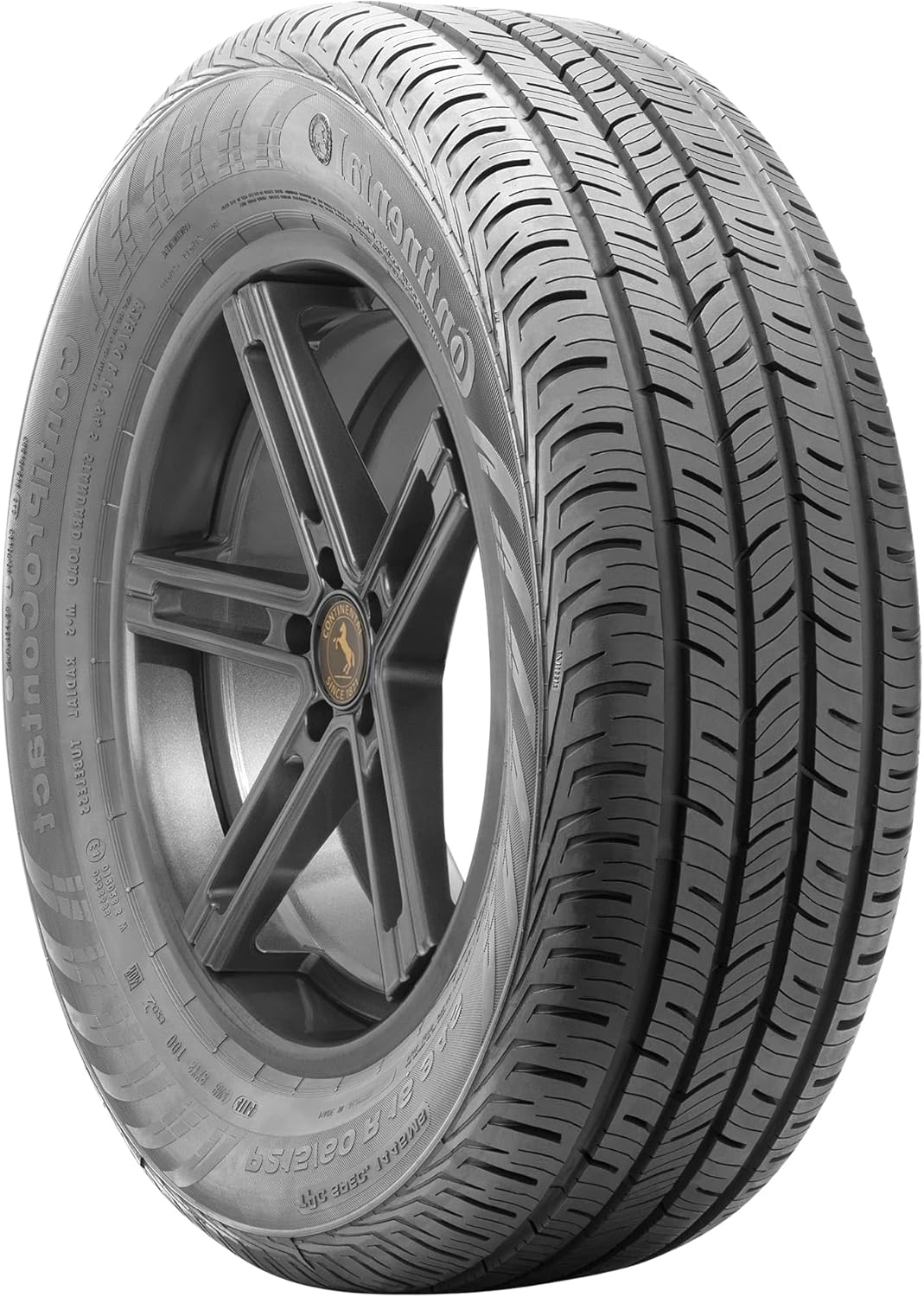
Figure 4: ContiProContact Tread Pattern
6. Troubleshooting Common Issues
This section provides guidance on common tire-related issues. For complex problems or safety concerns, consult a professional tire technician.
| Problem | Possible Cause / Solution |
|---|---|
| Uneven Tread Wear | Incorrect tire pressure, improper wheel alignment, unbalanced wheels, worn suspension components. Check pressure, have alignment and balancing inspected by a professional. |
| Vibrations While Driving | Unbalanced wheels, bent rim, worn suspension parts, tire damage. Have wheels balanced and inspected for damage. |
| Tire Losing Air Pressure | Puncture (nail, screw), leaky valve stem, damaged rim, bead leak. Inspect for punctures; if found, seek professional repair. ContiSeal may provide temporary sealing. |
| Bulge on Sidewall | Impact damage (pothole, curb). This indicates internal tire damage and requires immediate replacement. Do not drive on a tire with a sidewall bulge. |
7. Product Specifications
Detailed specifications for the Continental ContiProContact P195/65R15 89H tire.
| Specification | Value |
|---|---|
| Brand | Continental |
| Model | ContiProContact |
| Item Model Number | 15482860000 |
| Size | P195/65R15 89H |
| Seasons | Year Round |
| Section Width | 195 Millimeters |
| Load Capacity | 1279 Pounds |
| Tread Depth | 10 32nds |
| Tread Type | Non-Directional |
| Rim Width | 15 Inches |
| Tire Diameter | 25 Inches |
| Item Weight | 16.2 Pounds |
| Construction Type | Radial |
| UPC | 051342131754 |
| UTQG | 500AAA |
| Date First Available | January 13, 2017 |
8. Warranty and Support
Continental stands behind the quality and performance of its tires.
Warranty Information:
The Continental ContiProContact tire comes with a limited treadwear coverage of up to 80,000 miles. Specific terms and conditions apply. Please refer to the official Continental warranty documentation for full details, including any mileage limitations, conditions, and exclusions.
Customer Support:
For further assistance, technical questions, or warranty claims, please visit the official Continental website or contact their customer service. You can also find more information and products at the Continental Store on Amazon.
Ask a question about this manual
Ask about setup, troubleshooting, compatibility, parts, safety, or missing instructions. Manuals+ will review the question and use this page’s manual context to help answer it.