
1. Introduction
This manual provides essential information for the safe and efficient operation of your PowerWalker VFI 3000 TG Uninterruptible Power Supply (UPS). The PowerWalker VFI TG/TGB series is a professional and versatile online UPS solution designed to provide reliable power protection for various single-phase applications, including critical security systems for kiosks, vending machines, and high-level security environments where strict software restrictions apply, such as banking institutions.
2. Safety Instructions
Please read and follow these safety instructions carefully to prevent injury and damage to the unit.
- Indoor Use Only: This UPS is designed for indoor use in a controlled environment. Do not expose it to rain, snow, or direct sunlight.
- Proper Grounding: Ensure the UPS is connected to a properly grounded AC power outlet.
- Ventilation: Maintain adequate clearance around the UPS for proper airflow. Do not block ventilation openings.
- Avoid Liquids: Do not place liquids or objects containing liquids on or near the UPS.
- Authorized Service: Do not attempt to open or service the UPS yourself. Refer all servicing to qualified service personnel.
- Battery Safety: Batteries can present a risk of electrical shock and high short-circuit current. Observe proper precautions when working with batteries.
- Emergency Power Off (EPO): Familiarize yourself with the EPO port for emergency shutdown if applicable.
3. Product Overview
The PowerWalker VFI 3000 TG is a robust tower-type UPS designed for reliable power backup and protection.
3.1 Front Panel
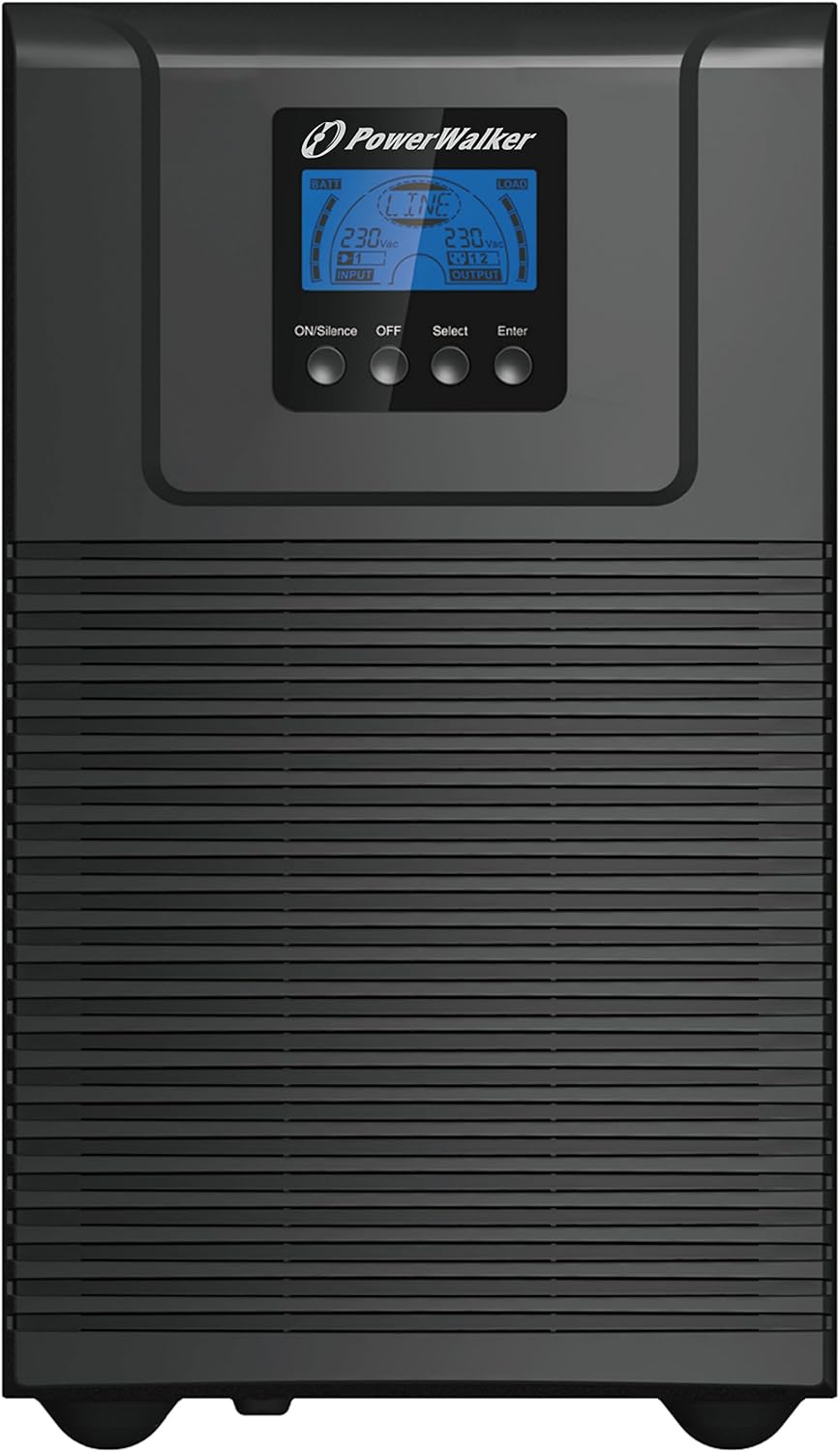
Figure 3.1: Front view of the PowerWalker VFI 3000 TG UPS.
The front panel features an intuitive LCD display that provides real-time operational status, including input/output voltage, battery charge level, and connected load. Below the display are four control buttons: ON/Silence (to power on or silence alarms), OFF (to power off), Select (to navigate menu options), and Enter (to confirm selections).
3.2 Rear Panel

Figure 3.2: Rear view of the PowerWalker VFI 3000 TG UPS.
The rear panel provides essential connectivity for the UPS. It includes an RS232 port and a USB port for communication with a computer, an EPO (Emergency Power Off) terminal for remote shutdown, multiple AC Output sockets (Imax 10A and Imax 16A) for connecting protected equipment, a resettable breaker (250VAC, 20A) for overcurrent protection, and the main AC Input for connecting to utility power.
3.3 Product Family

Figure 3.3: The PowerWalker VFI TG series, showcasing various models.
The PowerWalker VFI TG series encompasses a range of models, offering scalable power protection solutions to meet diverse requirements. The VFI 3000 TG is part of this comprehensive product line, providing robust and reliable uninterruptible power.
4. Setup
Follow these steps to set up your PowerWalker VFI 3000 TG UPS.
- Unpacking: Carefully remove the UPS from its packaging. Inspect for any shipping damage. Retain the packaging for future transport or storage.
- Placement: Place the UPS on a flat, stable surface in a well-ventilated area. Ensure there is sufficient space around the unit for proper heat dissipation. Avoid placing it near heat sources or in direct sunlight.
- Connecting to AC Power: Connect the UPS to a grounded AC power outlet using the provided power cord. Ensure the outlet provides the correct voltage (230 Volts).
- Connecting Devices: Connect your critical equipment (computers, servers, network devices, etc.) to the AC Output sockets on the rear panel of the UPS. Do not overload the UPS beyond its maximum power capacity (2700 Watt).
- Initial Charging: Allow the UPS to charge for at least 8 hours before initial use to ensure optimal battery performance. The UPS will charge automatically when connected to AC power, even if it is turned off.
5. Operating the UPS
5.1 Powering On/Off
- To Power On: Press and hold the ON/Silence button for a few seconds until the UPS powers on and the LCD display illuminates.
- To Power Off: Press and hold the OFF button for a few seconds until the UPS shuts down. Ensure all connected devices are properly shut down before powering off the UPS.
5.2 LCD Display and Controls
The LCD display provides critical information about the UPS status. Use the Select button to cycle through different display modes (e.g., input voltage, output voltage, load percentage, battery capacity). The Enter button is used to confirm settings or enter sub-menus if available.
5.3 Battery Management
The UPS features an internal lead-acid VRLA battery. The battery charges automatically when the UPS is connected to AC power. For optimal battery life, avoid frequent deep discharges and ensure the UPS is kept in a stable temperature environment. The UPS will provide an audible alarm and display a low battery warning when the battery capacity is critical during a power outage.
6. Maintenance
Regular maintenance helps ensure the longevity and optimal performance of your UPS.
- Battery Care: While the battery is maintenance-free, it is recommended to perform a full discharge/recharge cycle every 3-6 months if the UPS is not frequently used, to calibrate the battery meter.
- Cleaning: Periodically clean the exterior of the UPS with a soft, dry cloth. Do not use liquid or aerosol cleaners. Ensure ventilation openings are free from dust and debris.
- Regular Checks: Periodically check all cable connections to ensure they are secure. Monitor the LCD display for any error messages or warnings.
7. Troubleshooting
This section provides solutions to common issues you might encounter with your UPS. If the problem persists, contact customer support.
| Problem | Possible Cause | Solution |
|---|---|---|
| UPS does not power on | No AC input power; Battery discharged; Power button not held long enough. | Check AC power cord connection and wall outlet; Allow UPS to charge for several hours; Press and hold the ON button for 3-5 seconds. |
| UPS beeps continuously | Overload; Low battery; Fault condition. | Reduce connected load; Allow battery to charge; Refer to LCD display for specific error codes and contact support if necessary. |
| Battery runtime is shorter than expected | Battery not fully charged; Battery nearing end of life; Overload. | Ensure UPS is charged for at least 8 hours; Consider battery replacement if old; Reduce connected load. |
| No output from UPS outlets | UPS is off; Circuit breaker tripped. | Turn on the UPS; Reset the circuit breaker on the rear panel. |
8. Technical Specifications
Detailed specifications for the PowerWalker VFI 3000 TG.
| Feature | Specification |
|---|---|
| Brand | PowerWalker |
| Model Number | 10122043 |
| ASIN | B01JTKDC88 |
| Product Type | Tower UPS |
| Color | Black |
| Input Voltage | 230 Volts |
| Output Voltage | 230 Volts (AC) |
| Frequency Range | 40 Hz - 70 Hz |
| Maximum Power | 2700 Watt |
| Battery Composition | Lead-acid VRLA Battery |
| Rechargeable Battery | No (refers to user-replaceable, internal battery is rechargeable) |
| Battery Voltage | 12 Volts |
| Battery Amperage | 9 Amps |
| Total USB Ports | 1 |
| AC Connector Type | IEC 320 |
| Item Weight | 22.2 Kilograms |
| Manufacturer | BlueWalker GmbH |
| Date First Available | August 2, 2022 |
| Spare Parts Availability | Information unavailable |
| Software Updates Guaranteed Until | Information unavailable |
9. Warranty and Support
For warranty information and technical support, please refer to the documentation included with your purchase or visit the official PowerWalker website. Keep your proof of purchase for warranty claims. For any issues not covered in this manual, please contact PowerWalker customer service for assistance.