1. Introduction
This manual provides essential information for the proper installation, operation, and maintenance of your Walker Products 350-35075 Oxygen Sensor. This sensor is designed as an original equipment replacement to ensure optimal engine performance and emission control. Please read this manual thoroughly before proceeding with installation or use.
2. Product Features
- 100% Original Equipment (OE) Replacement for exact fit, form, and function.
- Features a dual lower shield design and ceramic element for durability.
- Laser-welded body and shield construction.
- Plasma-sprayed protective coating and high-temperature sleeving.
- Industry-proven performance, approved by professional technicians.
3. Safety Information
Always prioritize safety when working on a vehicle. Failure to follow safety precautions can result in injury or damage to the vehicle.
- Disconnect Battery: Always disconnect the vehicle's negative battery terminal before beginning any electrical work or component replacement.
- Hot Components: Exhaust system components can be extremely hot. Allow the engine and exhaust to cool completely before attempting removal or installation.
- Eye Protection: Wear appropriate eye protection to guard against debris.
- Gloves: Use work gloves to protect hands.
- Vehicle Support: Ensure the vehicle is securely supported on jack stands if lifted. Never rely solely on a jack.
- Professional Installation: If you are not confident in your ability to perform this installation, it is recommended to seek assistance from a qualified automotive technician.
4. Installation Instructions
The following are general steps for oxygen sensor replacement. Specific procedures may vary by vehicle make and model. Consult your vehicle's service manual for detailed instructions.
- Prepare Vehicle: Park the vehicle on a level surface, engage the parking brake, and allow the engine and exhaust system to cool down completely. Disconnect the negative battery terminal.
- Locate Sensor: Identify the oxygen sensor(s) that need replacement. Oxygen sensors are typically located in the exhaust manifold or exhaust pipe.
- Disconnect Electrical Connector: Carefully disconnect the electrical connector from the old oxygen sensor. This may involve pressing a tab or releasing a clip.
- Remove Old Sensor: Use a specialized oxygen sensor socket or an open-end wrench to loosen and remove the old sensor. Be aware that seized threads are common; penetrating oil may be necessary.
- Prepare New Sensor: The Walker Products 350-35075 Oxygen Sensor comes pre-coated with anti-seize lubricant on the threads. Do not apply additional lubricant unless specified by your vehicle manufacturer. Avoid touching the sensor tip.
- Install New Sensor: Carefully thread the new oxygen sensor into the exhaust bung by hand to prevent cross-threading. Once hand-tight, use the oxygen sensor socket or wrench to tighten it to the vehicle manufacturer's specified torque. Overtightening can damage the sensor or exhaust system.
- Connect Electrical Connector: Reconnect the new sensor's electrical connector until it clicks securely into place. Ensure the wiring harness is routed away from hot exhaust components.
- Reconnect Battery: Reconnect the negative battery terminal.
- Verify Operation: Start the engine and check for any exhaust leaks or illuminated check engine lights. A diagnostic scan tool may be needed to clear old trouble codes.

Image 1: The Walker Products 350-35075 Oxygen Sensor, showing the sensor body, wiring, and electrical connector.

Image 2: A detailed view of the sensor tip, which contains the ceramic sensing element and protective shield.
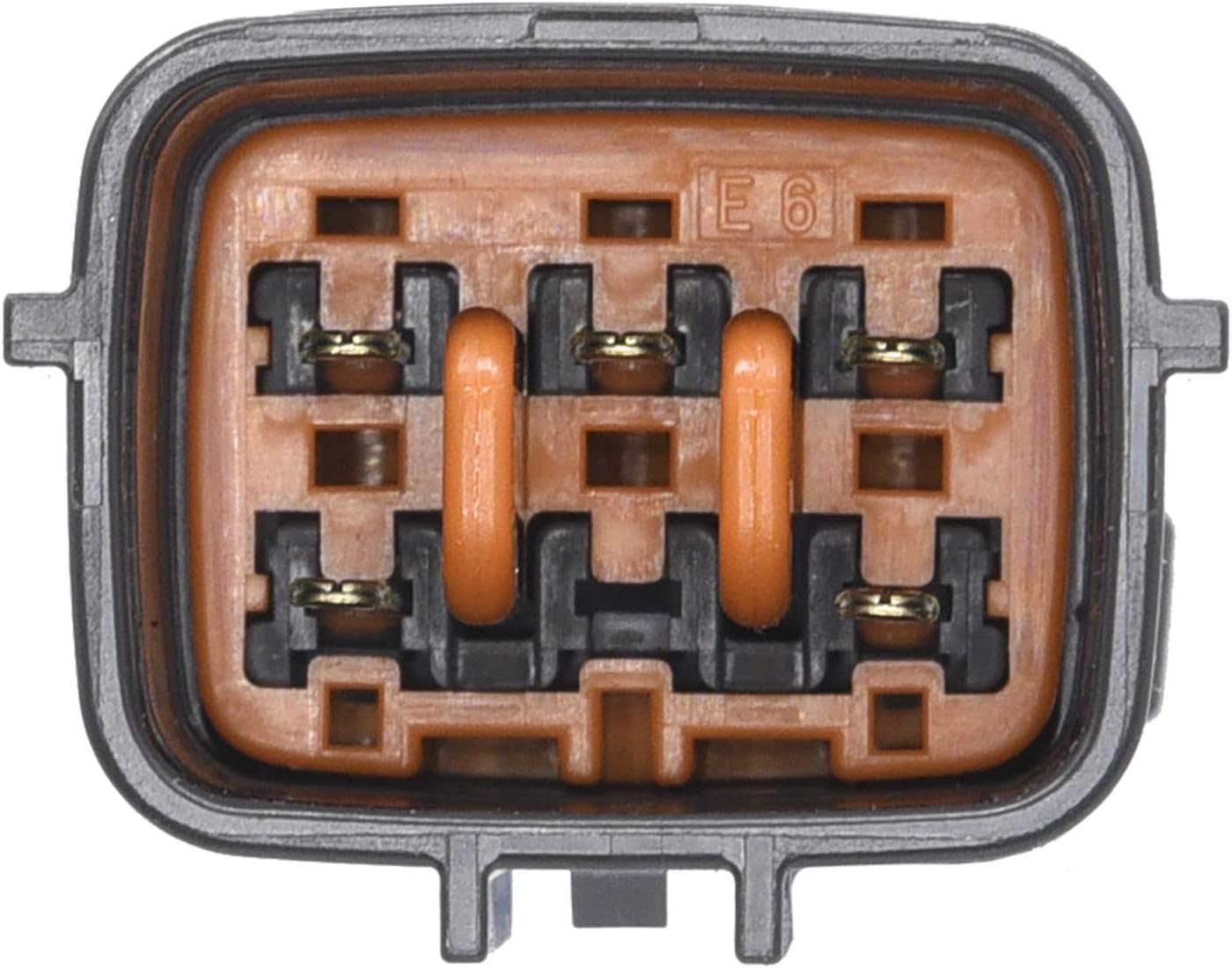
Image 3: A close-up of the electrical connector's internal pins, showing the precise configuration for vehicle integration.
5. Operation
The Walker Products 350-35075 Oxygen Sensor plays a critical role in your vehicle's engine management system. It measures the oxygen content in the exhaust gases and sends this data to the engine control unit (ECU). The ECU uses this information to adjust the air-fuel mixture for optimal combustion, which helps to:
- Maintain proper fuel efficiency.
- Reduce harmful exhaust emissions.
- Ensure smooth engine operation.
This particular sensor is a wideband type, offering more precise air-fuel ratio measurement compared to traditional narrowband sensors, especially important for modern engine designs and performance applications.
6. Maintenance
Oxygen sensors are not typically user-serviceable or repairable components. Their lifespan is influenced by factors such as fuel quality, engine condition, and driving habits. While no routine maintenance is required for the sensor itself, it is recommended to:
- Inspect Periodically: During routine vehicle maintenance, visually inspect the sensor and its wiring for any signs of damage, corrosion, or loose connections.
- Address Engine Issues: Promptly address any engine problems (e.g., misfires, excessive oil consumption) that can contaminate or damage the oxygen sensor.
- Replace as Needed: Replace the oxygen sensor if it fails or if diagnostic trouble codes indicate a malfunction. Consult your vehicle's service schedule for recommended replacement intervals, if any.
7. Troubleshooting
A failing oxygen sensor can lead to various vehicle performance issues. Common symptoms and diagnostic indicators include:
- Check Engine Light: The most common indicator is an illuminated Check Engine Light (CEL) on your dashboard. Diagnostic trouble codes (DTCs) related to oxygen sensor performance (e.g., P0130-P0167) will typically be stored in the ECU.
- Reduced Fuel Economy: An inaccurate oxygen sensor reading can cause the engine to run too rich or too lean, leading to decreased fuel efficiency.
- Increased Emissions: A faulty sensor can prevent the catalytic converter from operating efficiently, resulting in higher tailpipe emissions and potential failure of emissions tests.
- Rough Idling or Stalling: Incorrect air-fuel mixture data can cause the engine to run poorly, leading to rough idling, hesitation, or even stalling.
- Engine Hesitation or Misfires: Similar to rough idling, an improper air-fuel ratio can cause the engine to hesitate during acceleration or experience misfires.
If you experience any of these symptoms, it is recommended to have your vehicle diagnosed by a qualified technician using a scan tool to confirm the oxygen sensor's condition.
8. Specifications
| Attribute | Value |
|---|---|
| Brand | Walker Products |
| Model Number | 350-35075 |
| Model Name | Wideband 5 Wire |
| Material | Ceramic |
| Item Weight | 4.37 ounces (approx. 124 grams) |
| Product Dimensions (L x W x H) | 5.8 x 1.9 x 2.1 inches |
| Mounting Type | Flange Mount |
| UPC | 724620095405 |
| Manufacturer Part Number | 350-35075 |
| OEM Part Numbers | 18102, 24367, 234-5063 |
9. What's in the Box
The product package typically includes:
- 1 x Walker Products 350-35075 Oxygen Sensor

Image 4: The retail packaging for the Walker Products Oxygen Sensor.
10. Warranty and Support
For warranty information or technical support regarding your Walker Products 350-35075 Oxygen Sensor, please refer to the documentation included with your purchase or visit the official Walker Products website. You may also contact their customer service directly for assistance.
Walker Products Contact Information: Please refer to the manufacturer's official website or product packaging for the most current contact details.