1. Introduction
The TP-Link AD7200 Wireless Wi-Fi Tri-Band Gigabit Router, model Talon AD7200, is designed to provide advanced wireless connectivity for your home or office network. This router utilizes 802.11ad technology to deliver ultra-fast, multi-band Wi-Fi speeds across 2.4GHz, 5GHz, and 60GHz bands. Key features include 4-Stream technology, MU-MIMO for efficient multi-device performance, beamforming for targeted signals, and a powerful 1.4GHz dual-core CPU for uninterrupted high-speed connections.
This manual provides essential information for the proper installation, configuration, and use of your Talon AD7200 router.
2. What's in the Box
Please verify that all items are present in your package:
- Talon AD7200 Multi-Band Wi-Fi Router
- Power supply unit
- Ethernet Cable
- Quick Installation Guide
3. Setup
3.1 Physical Connection
- Power Off: Disconnect the power from your modem and router (if replacing an existing one).
- Connect Modem: Connect one end of the provided Ethernet cable to your modem's LAN port and the other end to the blue 'Internet' port on the back of the Talon AD7200 router.
- Power On Modem: Power on your modem and wait for it to fully initialize (usually indicated by stable status lights).
- Power On Router: Connect the power adapter to the router's power input and plug it into a power outlet. Press the Power On/Off button if necessary. Wait for the router's indicator lights to stabilize.

Figure 1: Rear view of the Talon AD7200 router with power and Ethernet connections. The blue port is for the internet connection from your modem, and the yellow ports are for wired LAN devices.
3.2 Initial Configuration
You can configure your router using a web browser or the TP-Link Tether app.
- Connect to Router: Connect your computer or mobile device to the router's default Wi-Fi network (SSID and password are typically found on a label on the bottom of the router). Alternatively, connect a computer to one of the yellow LAN ports using an Ethernet cable.
- Access Management Interface: Open a web browser and enter the default access address (e.g.,
http://tplinkwifi.netorhttp://192.168.0.1). Follow the on-screen instructions to create a login password and set up your Wi-Fi network name (SSID) and password. - Antenna Positioning: For optimal signal strength and coverage, position the router's antennas vertically. Adjust them as needed to improve signal in specific areas.
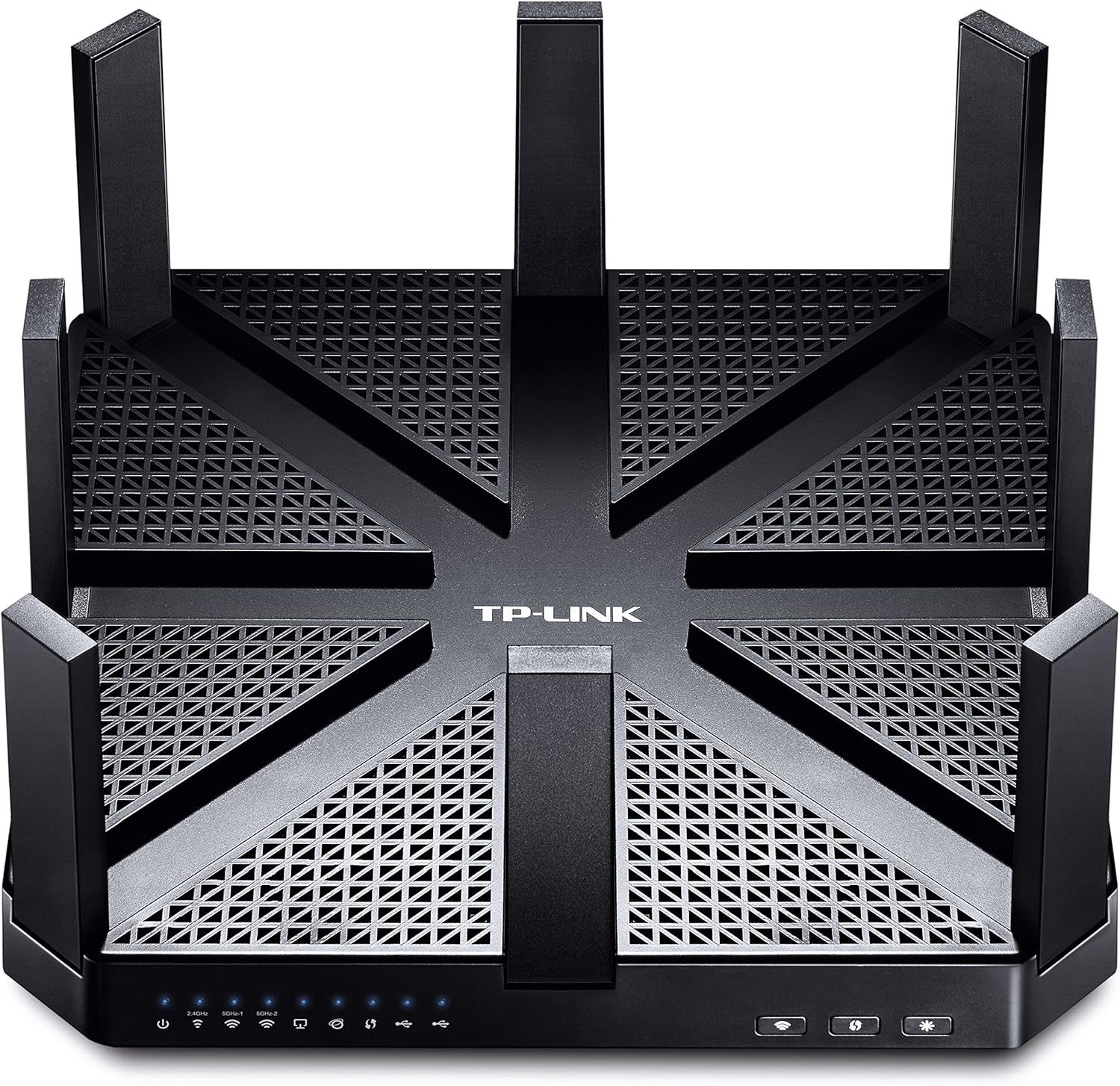
Figure 2: Top view of the Talon AD7200 router with its eight antennas extended for maximum coverage.
4. Operating the Router
4.1 Wireless Bands
The Talon AD7200 is a Tri-Band router, offering three distinct Wi-Fi bands:
- 2.4GHz (800Mbps): Provides wider coverage and better penetration through walls, suitable for general internet use and older devices.
- 5GHz (1733Mbps): Offers higher speeds and less interference, ideal for streaming 4K video, online gaming, and bandwidth-intensive applications in closer proximity to the router.
- 60GHz (4600Mbps): Delivers ultra-fast, in-room wireless connections using 802.11ad technology. This band is best for very high-speed data transfers over short distances within the same room, as its signal does not penetrate walls effectively.
4.2 Advanced Features
- MU-MIMO Technology: Enables the router to communicate with multiple devices simultaneously, improving overall network efficiency and reducing buffering.
- Beamforming: Focuses Wi-Fi signals directly towards connected devices, enhancing signal strength and reliability, especially for devices further away.
- Guest Network: Create a separate Wi-Fi network for guests, keeping your main network secure and private.
- Parental Controls: Manage and monitor internet access for children's devices, including setting time limits and content filters.
- VPN Support: The router supports VPN functionality for secure remote access and privacy.
Video 1: An official overview of the TP-Link AD7200 Multi-band Wi-Fi Router, highlighting its features and benefits.
5. Maintenance
5.1 Firmware Updates
Regularly check for and install firmware updates to ensure optimal performance, security, and access to new features. Updates can typically be found on the TP-Link support website or through the router's management interface.
5.2 Optimal Placement
Place the router in a central location in your home, away from obstructions and interference sources (e.g., microwaves, cordless phones). Elevating the router can also improve signal distribution.
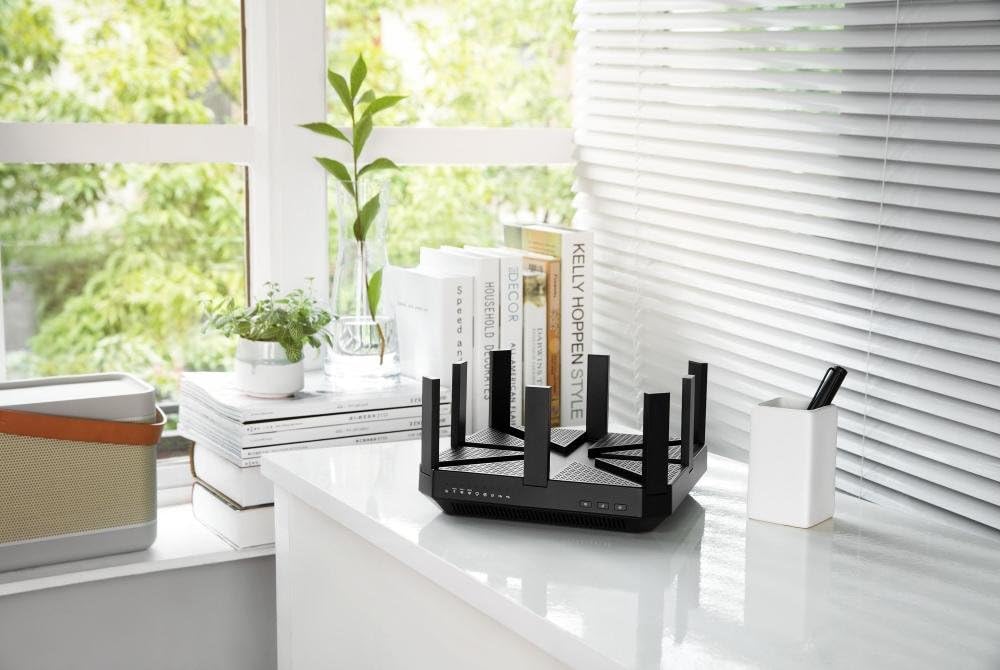
Figure 3: The Talon AD7200 router positioned on a desk, illustrating a typical home setup. Proper placement is crucial for optimal Wi-Fi coverage.
5.3 Regular Reboot
Rebooting your router periodically (e.g., once a month) can help clear its memory and resolve minor network issues, improving overall stability and performance.
6. Troubleshooting
6.1 No Internet Connection
- Check all cable connections between the modem and router.
- Reboot your modem and router.
- Verify your internet service provider (ISP) connection status.
6.2 Slow Wi-Fi Speed
- Ensure your devices are connected to the appropriate Wi-Fi band (5GHz or 60GHz for higher speeds).
- Reduce interference by moving the router away from other electronic devices.
- Update your device's wireless drivers and the router's firmware.
- Consider the number of devices connected and their bandwidth usage.
6.3 Factory Reset
If you encounter persistent issues, you may need to perform a factory reset. Locate the 'Reset' button on the back of the router (often a small pinhole button). With the router powered on, press and hold the reset button for about 10 seconds until the lights flash. This will restore the router to its default factory settings, requiring you to reconfigure it.
7. Specifications
| Feature | Detail |
|---|---|
| Brand | TP-Link |
| Model Name | Talon AD7200 |
| Wireless Type | 802.11ad |
| Frequency Band Class | Tri-Band (2.4GHz, 5GHz, 60GHz) |
| Wi-Fi Speeds | Up to 7200Mbps (2.4GHz: 800Mbps, 5GHz: 1733Mbps, 60GHz: 4600Mbps) |
| Connectivity Technology | WiFi, Wired |
| Ethernet Ports | 4 x Gigabit LAN, 1 x Gigabit WAN |
| USB Ports | 2 x USB 3.0 Ports |
| Special Feature | WPS |
| Processor | 1.4GHz Dual-Core CPU |
| Dimensions (LxWxH) | 9 x 9 x 1.7 inches |
| Weight | 4 pounds |
| Operating System Support | Microsoft Windows 98SE, NT, 2000, XP, Vista, Windows 7, Windows 8/8.1/10, MAC OS, NetWare, UNIX, Linux |
8. Warranty and Support
For warranty information, technical support, and additional resources, please visit the official TP-Link website. You can find FAQs, troubleshooting guides, and contact information for customer service.
TP-Link Support Website: www.tp-link.com/us/support/


