
1. Product Overview
The ATE 24.1294-0015.3 Brake Hose is a critical component of your vehicle's braking system, designed to transmit hydraulic pressure from the master cylinder to the brake calipers or wheel cylinders. This steel flexible hose includes a hollow screw and is engineered for reliable performance and safety.

Figure 1: ATE 24.1294-0015.3 Brake Hose in original ATE packaging.
2. Specifications
- Part Number: 24.1294-0015.3
- Length: 207 mm
- Thread: M12x1
- Outer Thread 2: M10x1
- Wrench Opening: 11 mm
- Additional Information: Includes hollow screw; Steel flexible hose; with hose.
- Item Weight: 4.31 Kilograms
- Product Dimensions (L x W x H): 27.99 x 18.25 x 8.22 cm
- Position: Left
Equivalent OEM Part Numbers:
- SEAT: 6R0 611 764 A, 6R0 611 764 M, 6R0 611 764 B, 6R0 611 764 F
- VAG: 6R0 611 764 F, 6R0 611 764 B, 6R0 611 764 M, 6R0 611 764 A
- CEF: 514513
- sbs: 13308547180
- TRW: PHB597
- NK: 8547180

Figure 2: Technical drawing illustrating the dimensions and thread specifications of the brake hose.
3. Vehicle Compatibility
This brake hose is compatible with various Volkswagen Polo 3/5 door models from 2009 onwards. Please verify compatibility with your specific vehicle using the manufacturer's part search tool or by cross-referencing OEM numbers.
Compatible Models (Example List):
- Volkswagen Polo 3/5 doors 1.6 TDI (2009 - ) 66kW
- Volkswagen Polo 3/5 doors 1.6 TDI (2009 - ) 77kW
- Volkswagen Polo 3/5 doors 1.2 TDI (2009 - ) 55kW
- Volkswagen Polo 3/5 doors 1.6 TDI (2009 - ) 55kW
- Volkswagen Polo 3/5 doors 1.4 TDI (2009 - ) 77kW
- Volkswagen Polo 3/5 doors 1.2 TSI (2009 - ) 81kW
- Volkswagen Polo 3/5 doors 1.4 (2009 - ) 63kW
- Volkswagen Polo 3/5 doors 1.2 TSI (2009 - ) 66kW
- Volkswagen Polo 3/5 doors 1.2 (2009 - ) 51kW
- Volkswagen Polo 3/5 doors 1.4 TDI (2009 - ) 66kW
4. Setup and Installation
Installation of brake system components requires specialized knowledge and tools. It is strongly recommended that this brake hose be installed by a qualified automotive technician to ensure proper function and vehicle safety. Incorrect installation can lead to brake failure and serious injury.
General Installation Guidelines:
- Ensure the vehicle is safely supported on a lift or jack stands.
- Locate the old brake hose and prepare for removal.
- Carefully disconnect the old brake hose, being mindful of brake fluid leakage.
- Install the new ATE brake hose, ensuring all connections are secure and torqued to manufacturer specifications.
- Bleed the brake system thoroughly to remove any air.
- Test the brake system for proper operation before driving the vehicle.
5. Operating Principles
The brake hose functions as a flexible conduit within the hydraulic braking system. When the brake pedal is pressed, hydraulic fluid is pressurized by the master cylinder and transmitted through the brake hoses to the brake calipers or wheel cylinders. This pressure activates the braking mechanism, slowing or stopping the vehicle. The flexibility of the hose allows for movement between the vehicle chassis and the wheel assembly while maintaining hydraulic integrity.
6. Maintenance
Regular inspection of brake hoses is crucial for vehicle safety. Check for the following during routine maintenance:
- Cracks or Fissures: Inspect the rubber outer layer for any signs of cracking, especially near fittings.
- Bulges or Swelling: Any localized swelling indicates internal damage and requires immediate replacement.
- Leaks: Look for any signs of brake fluid leakage around the hose or its connections.
- Abrasion or Rubbing: Ensure the hose is not rubbing against other vehicle components, which can cause wear.
- Corrosion: Check metal fittings for rust or corrosion.
Replace brake hoses immediately if any damage is detected. Follow your vehicle manufacturer's recommended service intervals for brake system inspections.
7. Troubleshooting
If you experience any issues with your braking system, such as a spongy pedal, reduced braking performance, or a pulling sensation during braking, it could indicate a problem with the brake hoses or other brake components. Do not attempt to diagnose or repair complex brake issues without proper training and equipment.
Common Brake System Symptoms and Potential Causes:
- Spongy Brake Pedal: Often caused by air in the brake lines or a failing master cylinder.
- Reduced Braking Performance: Can be due to worn pads, contaminated fluid, or a faulty brake hose.
- Vehicle Pulls to One Side During Braking: May indicate a seized caliper, uneven pad wear, or a restricted brake hose on one side.
- Brake Fluid Leak: Immediately investigate and repair any leaks, as this can lead to complete brake failure.
If you suspect a brake system malfunction, have your vehicle inspected by a professional technician immediately.
8. Product Authenticity Verification
ATE and Continental have implemented new product labels with QR codes to ensure product originality and provide easy access to product information. This helps protect against counterfeit products.

Figure 3: Announcement of new, optimized product labels for ATE and Continental products.
Key Improvements with New Labels:
- Simpler: A single QR code for verifying originality and vehicle application.
- Clearer: Clearly structured layout for optimal recognition and easy understanding.
- More Sustainable: Elimination of plastic film holograms for an environmentally friendly solution.

Figure 4: Comparison showing the transition from old to new Continental product labels, highlighting the single QR code and absence of hologram.
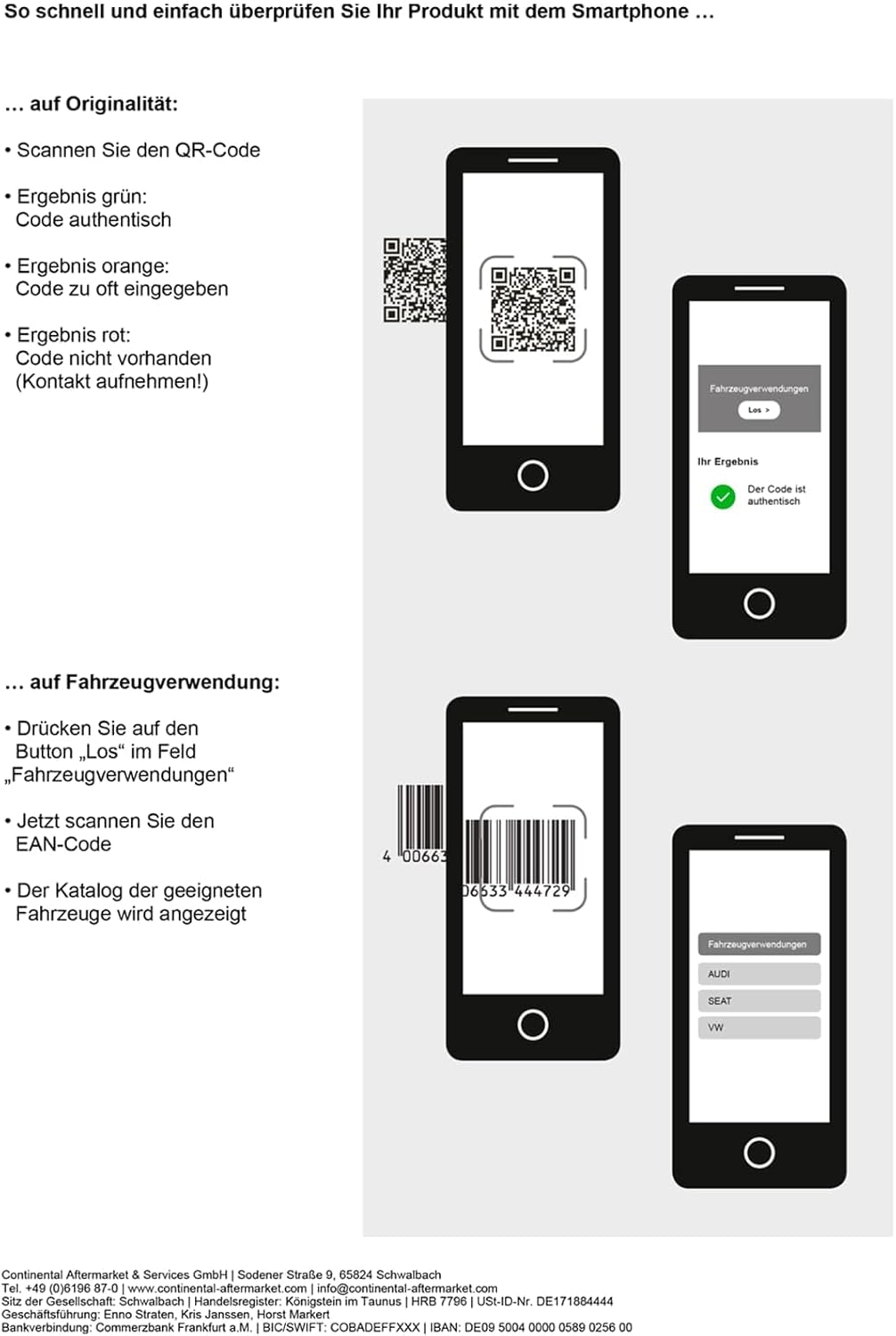
Figure 5: Comparison showing the transition from old to new ATE product labels, featuring a new color scheme and improved readability.
How to Verify Your Product with a Smartphone:
- For Originality:
- Scan the QR code on the product label.
- A green result indicates an authentic code.
- An orange result means the code has been entered too often.
- A red result indicates the code is not found; please contact the manufacturer.
- For Vehicle Application:
- Press the 'Go' button in the 'Vehicle Applications' field on the verification page.
- Scan the EAN code (barcode) on the product.
- The catalog of suitable vehicles will be displayed.

Figure 6: Smartphone interface demonstrating the scanning process for originality and vehicle application.
Manual Verification (Without Smartphone):
If you do not have a smartphone, you can manually enter the MAPP code on the official website: www.continental-aftermarket.com/original. Similarly, you can use the EAN code to obtain catalog information for the scanned product.
9. Support and Contact Information
For further information, technical assistance, or inquiries regarding product authenticity, please visit the official ATE and Continental Aftermarket websites:
You can also contact Continental Aftermarket & Services GmbH directly:
Continental Aftermarket & Services GmbHSodener Straße 9
65824 Schwalbach
Germany