
Introduction
NGK Spark Plugs are engineered for optimal performance across a broad heat range, effectively preventing carbon buildup and pre-ignition. Each spark plug incorporates high alumina ceramics for superior heat transfer and electrical insulation. A patented triple gasket sealing process ensures no combustion gas leakage, while a longer insulator nose design helps prevent fouling and misfiring. The solid copper core and nickel-tipped electrode contribute to extended product life.
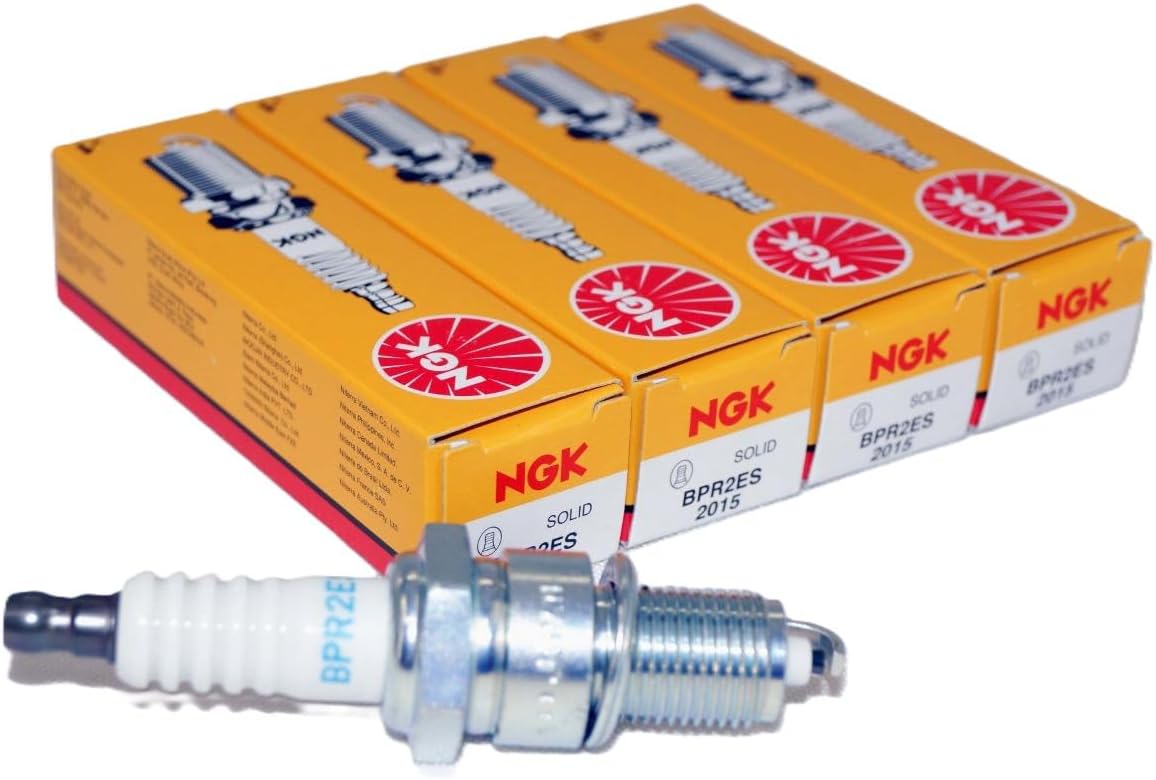
Image: A pack of four NGK BPR2ES spark plugs, illustrating the product packaging and a single spark plug unit.
Setup and Installation
Proper installation of spark plugs is crucial for engine performance and longevity. Always refer to your vehicle's or equipment's service manual for specific torque specifications and gap settings.
Before Installation:
- Verify Compatibility: Ensure the NGK BPR2ES spark plug is the correct part number for your engine. Consult your vehicle's owner's manual or a reputable parts catalog.
- Check Gap: Although NGK spark plugs are typically pre-gapped for common applications, it is recommended to verify the gap using a spark plug gapping tool. Adjust if necessary according to your engine's specifications.
- Inspect Threads: Ensure the spark plug threads are clean and free of debris.
Installation Steps:
- Remove Old Plugs: Allow the engine to cool completely. Disconnect the spark plug wires or coil packs. Use a spark plug socket to carefully remove the old spark plugs.
- Clean Spark Plug Wells: Clean any debris from around the spark plug wells to prevent it from falling into the combustion chamber.
- Install New Plugs: Hand-thread the new NGK spark plugs into the cylinder head to avoid cross-threading. Once finger-tight, use a torque wrench to tighten them to the manufacturer's specified torque. Overtightening can damage the spark plug or cylinder head threads.
- Reconnect Wires/Coil Packs: Reattach the spark plug wires or coil packs, ensuring a secure connection.

Image: Detailed view of an NGK BPR2ES spark plug, highlighting its construction.
Operating Considerations
NGK spark plugs are designed for reliable operation under various conditions. While spark plugs themselves do not have "operating" instructions in the traditional sense, their performance is directly tied to proper engine operation and maintenance.
- Engine Performance: Properly installed NGK spark plugs contribute to efficient combustion, leading to optimal engine performance, fuel economy, and reduced emissions.
- Heat Range: These spark plugs are designed to operate within a wide heat range, resisting both carbon buildup (too cold) and pre-ignition (too hot).
- Fouling Resistance: The extended insulator nose design helps prevent fouling, which can occur from excessive carbon deposits or oil.
Maintenance
Regular inspection and timely replacement of spark plugs are vital for maintaining engine health and efficiency.
Inspection:
- Visual Check: Periodically inspect spark plugs for signs of wear, such as excessive electrode erosion, carbon fouling, oil fouling, or blistering of the insulator.
- Gap Re-check: The spark plug gap can widen over time due to erosion. Re-check the gap during routine maintenance and adjust if necessary, or replace the plug if the electrode is significantly worn.
Replacement Schedule:
Refer to your vehicle's or equipment's owner's manual for the recommended spark plug replacement interval. Factors such as engine type, operating conditions, and fuel quality can influence the lifespan of spark plugs.

Image: Close-up of the spark plug's threaded section and electrode, critical areas for proper engine function.
Troubleshooting Common Issues
Issues related to spark plugs often manifest as engine performance problems. Here are some common symptoms and potential causes:
| Symptom | Possible Cause (Spark Plug Related) | Resolution |
|---|---|---|
| Engine Misfire or Rough Idle | Fouled spark plug, incorrect gap, worn electrode, cracked insulator. | Inspect and clean or replace spark plugs. Verify correct gap. |
| Reduced Fuel Economy | Worn or improperly gapped spark plugs leading to inefficient combustion. | Replace spark plugs at recommended intervals. Ensure proper gap. |
| Difficulty Starting | Severely fouled or worn spark plugs, preventing proper ignition. | Inspect and replace spark plugs. Check for other ignition system issues. |
| Engine Knocking or Pinging | Incorrect heat range spark plug (too hot) causing pre-ignition. | Ensure the correct spark plug heat range is used for your application. |
If troubleshooting these issues does not resolve the problem, consult a qualified mechanic or refer to your engine's service manual for further diagnosis.
Specifications
Key technical specifications for the NGK BPR2ES Spark Plug (Model 2264-4PK):
- Brand: NGK Spark Plugs
- Part Number: 2264
- OEM Part Number: BPR2ES
- Model: 2264-4PK
- Core Material: Copper
- Thread Size: 14mm x 1.25mm
- Top Material Type: Metal
- Item Weight: Approximately 2.08 ounces per plug
- Product Dimensions (per plug): Approximately 3.43 x 0.98 x 0.89 inches
- Vehicle Service Type Compatibility: Watercraft, all-terrain-vehicles, off-road-motorcycles, snowmobiles, street-cruiser-motorcycles, street-motor-scooters, street-sport-motorcycles, street-touring-motorcycles.
- UPC: 087295422649

Image: Top view of the spark plug, showing the terminal end.
Warranty and Support
For information regarding product warranty, technical support, or specific application questions, please contact NGK Spark Plugs (USA, Inc.) directly through their official website or customer service channels. Always provide the full product model number (2264-4PK) and any relevant engine details when seeking support.
Official Website: www.ngksparkplugs.com