
1. Introduction and Product Overview
This manual provides essential information for the safe and effective use of your WilTec Lever Hoist, Model 30216. This robust manual cable winch is designed for pulling, lifting, and securing heavy loads up to 4000 kg. It features a 3-meter steel cable with a 5.5 mm diameter and is equipped with two load hooks for versatile applications.
Key Features:
- Nominal Lifting Capacity: 4000 kg
- Cable Length: 3 meters
- Cable Diameter: 5.5 mm
- Equipped with 2 transmissions and 2 robust load hooks
- Double cable design for enhanced strength
- Constructed from durable alloy steel

Figure 1: WilTec Lever Hoist, Model 30216.
2. Safety Instructions
WARNING: Failure to follow these safety instructions may result in serious injury or property damage.
- Read the Manual: Always read and understand this entire instruction manual before operating the lever hoist.
- Inspect Before Use: Before each use, inspect the hoist, cable, and hooks for any signs of wear, damage, or deformation. Do not use if any component is compromised.
- Rated Capacity: Never exceed the maximum rated lifting capacity of 4000 kg. Overloading can lead to equipment failure and severe accidents.
- Secure Attachment: Ensure all hooks are securely attached to the load and anchor points. Hooks must be fully engaged and safety latches closed.
- Stable Base: The anchor point for the hoist must be strong enough to withstand the maximum load.
- Clear Area: Keep hands, feet, and other body parts clear of the cable, hooks, and load during operation. Ensure bystanders are at a safe distance.
- Wear PPE: Always wear appropriate personal protective equipment, including safety gloves and eye protection.
- Controlled Operation: Operate the lever hoist with smooth, controlled movements. Avoid sudden jerks or rapid releases.
- Avoid Shock Loads: Do not drop or suddenly release loads.
- Cable Care: Do not allow the cable to become kinked, twisted, or frayed. Ensure the cable winds evenly onto the drum.
- Storage: Store the hoist in a dry, clean place, away from corrosive materials, when not in use.
3. Product Components
Familiarize yourself with the main components of your WilTec Lever Hoist:
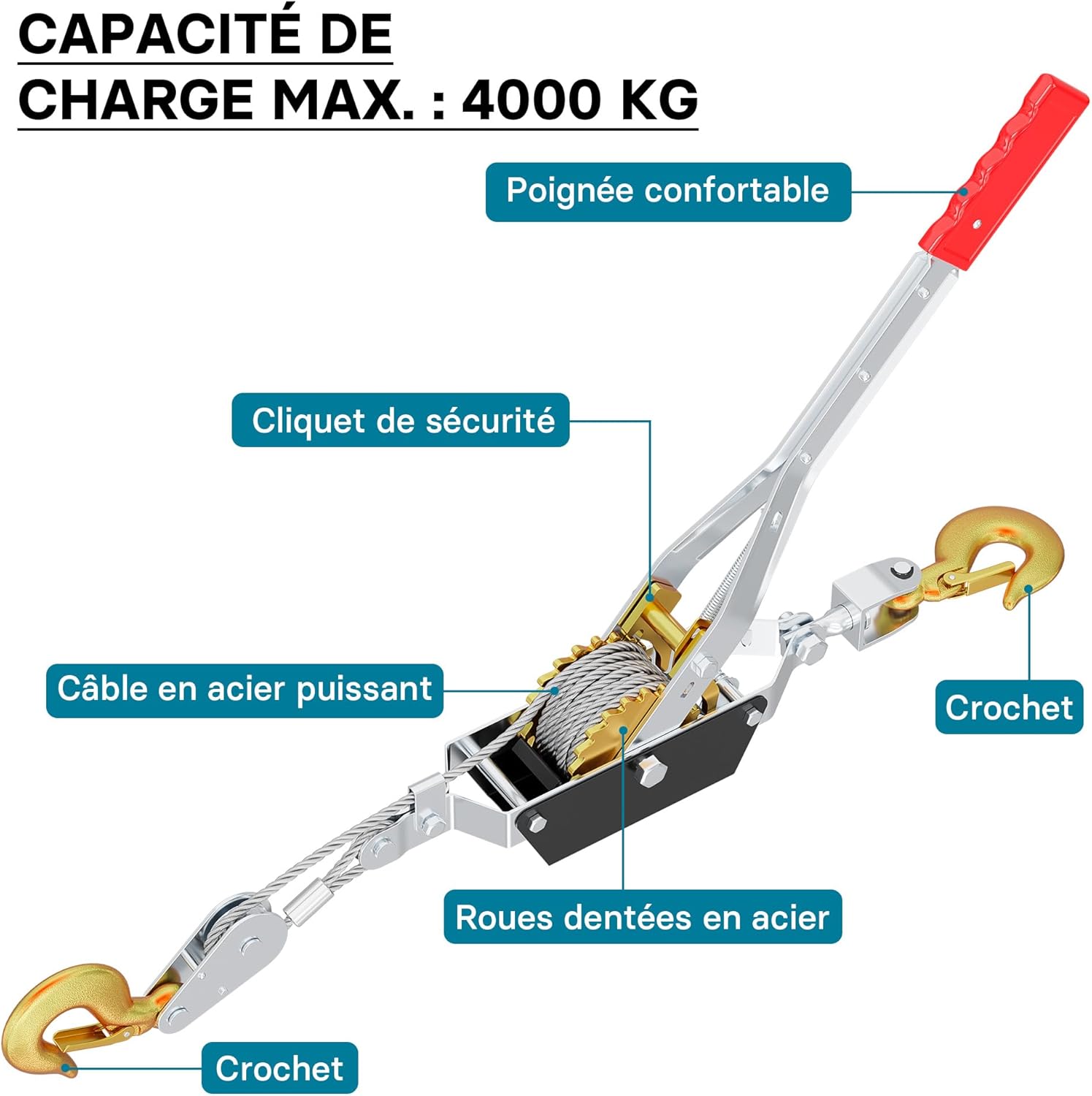
Figure 2: Key components of the lever hoist.
- Operating Lever with Handle: Used to engage the ratchet mechanism for pulling or lifting. The handle provides a comfortable grip.
- Ratchet Mechanism: Internal gears and pawls that allow for controlled movement of the cable in one direction and hold the load securely.
- Steel Cable: The primary pulling/lifting element, 3 meters long and 5.5 mm in diameter.
- Load Hooks: Two robust hooks with safety latches for attaching to the load and anchor point.
- Cable Drum/Spool: The mechanism around which the steel cable is wound.
- Safety Pawl/Release Lever: Mechanism to disengage the ratchet for controlled cable release.

Figure 3: Close-up view of the steel cable and internal gear mechanism.

Figure 4: Detail of a load hook with its safety latch.
4. Setup and Preparation
- Assess the Load: Determine the weight of the object to be moved. Ensure it does not exceed the hoist's 4000 kg capacity.
- Identify Anchor Points: Select a secure and stable anchor point for the hoist. This point must be capable of supporting the full load.
- Attach Hoist: Securely attach one of the hoist's hooks to the chosen anchor point. Ensure the safety latch is closed.
- Attach Load: Extend the cable and securely attach the other hook to the load. Ensure the safety latch is closed and the load is balanced.
- Clear Path: Ensure the path of movement for the load is clear of obstructions and personnel.
5. Operating Instructions
5.1. Engaging the Ratchet Mechanism

Figure 5: Engaging the ratchet mechanism for pulling/lifting.
To begin pulling or lifting, ensure the ratchet mechanism is engaged. The lever should be positioned to allow the internal pawls to catch the gear teeth, preventing backward movement of the cable.
5.2. Pulling/Lifting the Load

Figure 6: Operating the lever to pull or lift the load.
Once the hoist is securely attached and the ratchet engaged, operate the main lever with a steady, rhythmic motion. Each stroke of the lever will pull the cable, moving the load incrementally. Maintain a firm grip on the handle and ensure your movements are controlled.
5.3. Releasing the Load

Figure 7: Releasing the cable by disengaging the safety pawl.
To release the load, carefully disengage the safety pawl or release lever. This will allow the cable to unwind. Always maintain control of the lever during release to prevent sudden drops or uncontrolled movement of the load. Release the cable slowly and steadily.

Figure 8: The lever hoist in use, demonstrating its pulling capability.
6. Maintenance
Regular maintenance ensures the longevity and safe operation of your lever hoist.
- Cleaning: After each use, clean the hoist to remove dirt, debris, and moisture.
- Lubrication: Periodically apply a light lubricant to moving parts, such as the ratchet mechanism and cable drum, to ensure smooth operation and prevent corrosion.
- Cable Inspection: Regularly inspect the steel cable for fraying, kinks, broken strands, or corrosion. Replace the cable immediately if any damage is found.
- Hook Inspection: Check hooks for deformation, cracks, or wear. Ensure safety latches operate freely and close securely.
- Storage: Store the hoist in a dry, protected environment to prevent rust and damage.
7. Troubleshooting
If you encounter issues with your lever hoist, consider the following common problems and solutions:
- Cable Jams: If the cable jams, it may be due to uneven winding or debris. Carefully release tension, inspect the cable path, and re-wind evenly. Ensure the cable is not twisted.
- Ratchet Not Engaging: Check for obstructions in the ratchet mechanism. Ensure the operating lever is fully engaged. Lubricate if necessary.
- Difficulty Operating Lever: This could indicate an overloaded condition or lack of lubrication. Reduce the load if it exceeds capacity. Apply lubricant to moving parts.
- Hooks Not Securing: Inspect the safety latches on the hooks. Clean any debris that might prevent them from closing properly. Replace hooks if latches are damaged.
For persistent issues or if you suspect internal damage, discontinue use and contact qualified service personnel or the manufacturer.
8. Specifications
| Specification | Value |
|---|---|
| Manufacturer | WilTec |
| Model Number | 30216 |
| Nominal Lifting Capacity | 4000 kg |
| Cable Length | 3 m |
| Cable Diameter | 5.5 mm |
| Number of Hooks | 2 |
| Material | Alloy Steel |
| Product Dimensions (L x W x H) | 76.5 x 9 x 20.5 cm |
| Product Weight | 4.56 kg |
| Color | Silver tones |

Figure 9: Product dimensions.
9. Warranty and Support
For information regarding warranty coverage, claims, or technical support, please refer to the documentation provided with your purchase or contact the seller directly. You may also visit the official WilTec brand store for additional resources: