
1. Introduction
This manual provides essential information for the safe and effective use, maintenance, and troubleshooting of your Stahlwille 716R/20 torque wrench. Please read these instructions carefully before operating the tool and retain them for future reference. Proper use ensures accuracy and extends the life of your torque wrench.
2. Safety Information
Always observe general safety precautions when using hand tools. Failure to follow these safety guidelines may result in injury or damage to the tool or workpiece.
- Wear appropriate personal protective equipment (PPE), such as safety glasses, to protect against potential hazards.
- Ensure the workpiece is securely fastened before applying torque.
- Do not exceed the maximum torque capacity of the wrench. Over-torquing can damage fasteners and the wrench itself.
- Keep the torque wrench clean and free from oil or grease to maintain a secure grip.
- Do not use the torque wrench as a pry bar or hammer. It is a precision instrument.
- Store the torque wrench in a dry, clean environment, preferably in its protective case, when not in use.
3. Product Overview
The Stahlwille 716R/20 is a mechanical torque wrench designed for precise application of torque. It features a square drive for attaching sockets and a clear scale for setting the desired torque value. The wrench provides an audible and tactile 'click' when the set torque is reached.
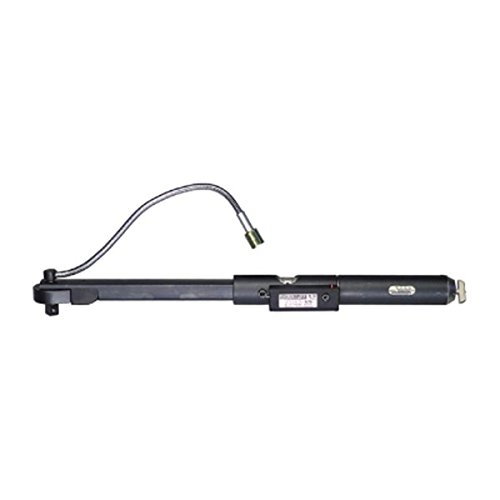
An image showing the Stahlwille 716R/20 torque wrench, typically black with a silver head, used for precise torque application.
4. Setup
Before first use, and periodically thereafter, ensure the torque wrench is in good working condition.
- Inspect the Wrench: Check for any visible damage, cracks, or wear on the handle, head, or adjustment mechanism. Do not use a damaged wrench.
- Clean the Wrench: Wipe down the wrench with a clean, dry cloth to remove any dust or debris.
- Set the Torque Value:
- Locate the adjustment mechanism, usually at the base of the handle.
- Rotate the handle or adjustment knob to align the desired torque value with the indicator line on the wrench body.
- Ensure the setting is locked (if applicable) to prevent accidental changes during use. Refer to the markings on your specific model for locking instructions.
- Attach the Socket: Select the correct size socket for your fastener and firmly attach it to the square drive of the torque wrench.
5. Operating Instructions
Follow these steps for accurate torque application:
- Position the Wrench: Place the socket firmly onto the fastener. Ensure the wrench is perpendicular to the fastener and the direction of rotation.
- Apply Smooth Force: Apply steady, increasing force to the handle in the desired direction of rotation. Avoid jerky movements.
- Listen for the 'Click': Continue applying force until you hear and feel a distinct 'click' from the wrench. This indicates that the preset torque value has been reached.
- Stop Immediately: As soon as the 'click' occurs, stop applying force. Do not continue to tighten the fastener beyond this point, as it will result in over-torquing.
- Release and Reset: Remove the wrench from the fastener. For wrenches that automatically reset, it is ready for the next application. For others, you may need to manually reset the mechanism or re-engage the pawl.
- Return to Lowest Setting (Storage): After use, always return the torque wrench to its lowest torque setting before storing. This relieves tension on the internal spring, preserving the wrench's accuracy over time.
6. Maintenance
Regular maintenance ensures the longevity and accuracy of your torque wrench.
- Cleaning: After each use, wipe the wrench clean with a soft, dry cloth. Do not use solvents or harsh chemicals, as these can damage the finish or internal components.
- Storage: Store the torque wrench in its original case or a protective container in a dry, temperature-controlled environment. Always set the wrench to its lowest torque setting before storage.
- Calibration: Torque wrenches are precision instruments and require periodic calibration to maintain accuracy. The frequency of calibration depends on usage, but generally, it is recommended annually or after approximately 5,000 cycles. Contact an authorized Stahlwille service center for calibration services.
- Lubrication: Do not attempt to lubricate the internal mechanism unless specifically instructed by Stahlwille. Improper lubrication can affect accuracy.
7. Troubleshooting
If you encounter issues with your torque wrench, consider the following common problems and solutions:
- Wrench does not 'click':
- Ensure the torque setting is not below the wrench's minimum capacity.
- Verify that the adjustment mechanism is properly locked.
- Apply force smoothly and steadily. Jerky movements can prevent the mechanism from engaging correctly.
- If the issue persists, the wrench may require calibration or repair.
- Inaccurate torque readings:
- Check if the torque setting was correctly aligned.
- Ensure the wrench was held correctly, applying force only to the handle.
- The wrench may be out of calibration. Refer to the calibration section.
- Stiff adjustment mechanism:
- Clean any debris from the adjustment area.
- Do not force the mechanism. If it remains stiff, contact customer support.
8. Specifications
Key specifications for the Stahlwille 716R/20 Torque Wrench:
| Feature | Detail |
|---|---|
| Brand | Stahlwille |
| Model | 716R/20 |
| Manufacturer | Stahlwille |
| Color | Black |
| Material | Chrome-vanadium steel |
| Items in Package | 1 |
| Head Style | Square Drive |
| Operation Mode | Mechanical |
| GTIN | 05608907316207 |
9. Warranty and Support
Stahlwille products are manufactured to high-quality standards. For specific warranty terms and conditions, please refer to the documentation provided with your purchase or visit the official Stahlwille website. For technical support, service, or calibration inquiries, please contact your authorized Stahlwille dealer or customer service representative.


