1. Introduction
This user manual provides essential information for the proper installation, operation, and maintenance of the Westinghouse 966469-H Overload Thermal Unit Heating Element. This component is designed to provide thermal overload protection for electrical circuits, typically used in conjunction with motor starters or contactors to prevent damage from sustained overcurrent conditions. Adherence to these instructions will ensure safe and reliable performance of the unit.
2. Safety Information
Always observe the following safety precautions to prevent injury or damage to equipment:
- Electrical Hazard: Ensure all power is disconnected and locked out before installing, servicing, or inspecting the thermal unit. Only qualified personnel should perform electrical work.
- Hot Surfaces: The heating element can become extremely hot during operation. Allow sufficient time for cooling before handling.
- Proper Application: Use this thermal unit only for its intended purpose as an overload protection device in compatible electrical systems. Do not exceed the specified current ratings.
- Environmental Conditions: Install the unit in an environment free from excessive moisture, dust, corrosive gases, or extreme temperatures outside its operating range.
- Secure Connections: Ensure all electrical connections are tight and secure to prevent arcing and overheating.
3. Product Overview
The Westinghouse 966469-H is a specific thermal unit designed to fit compatible overload relays. It contains a bimetallic strip or eutectic alloy that heats up in response to current flow, causing the relay to trip and open the circuit when an overload condition is detected.
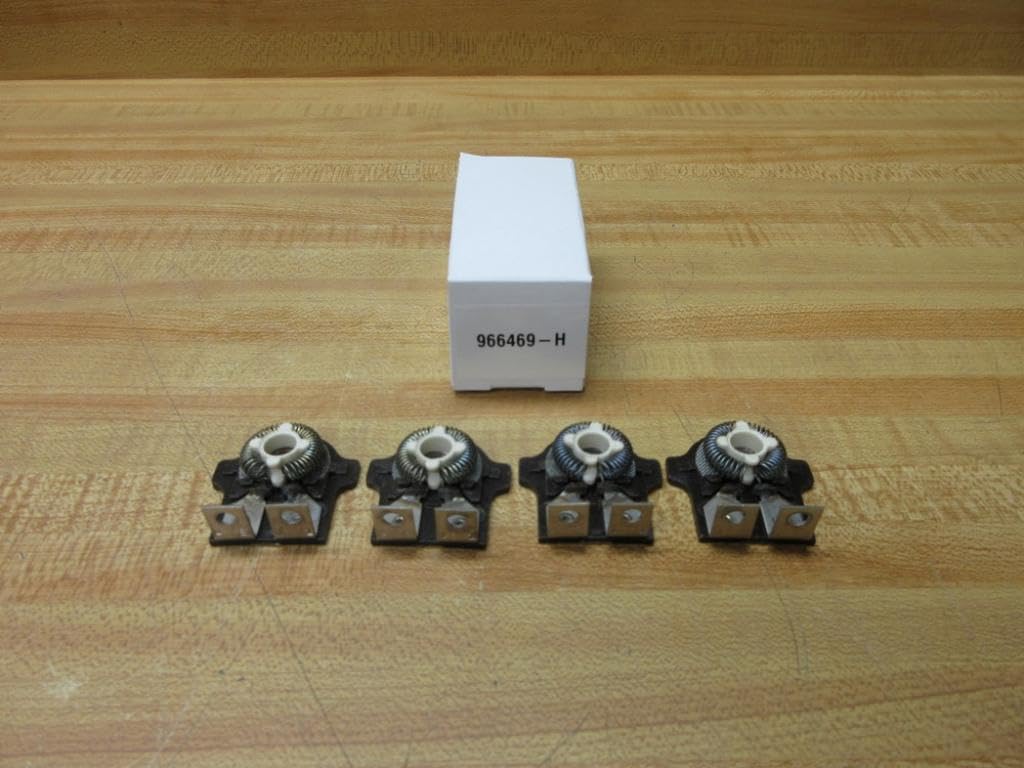
Figure 3.1: Overview of the Westinghouse 966469-H Overload Thermal Units and packaging.

Figure 3.2: Detailed view of the heating element and terminals of the thermal unit.
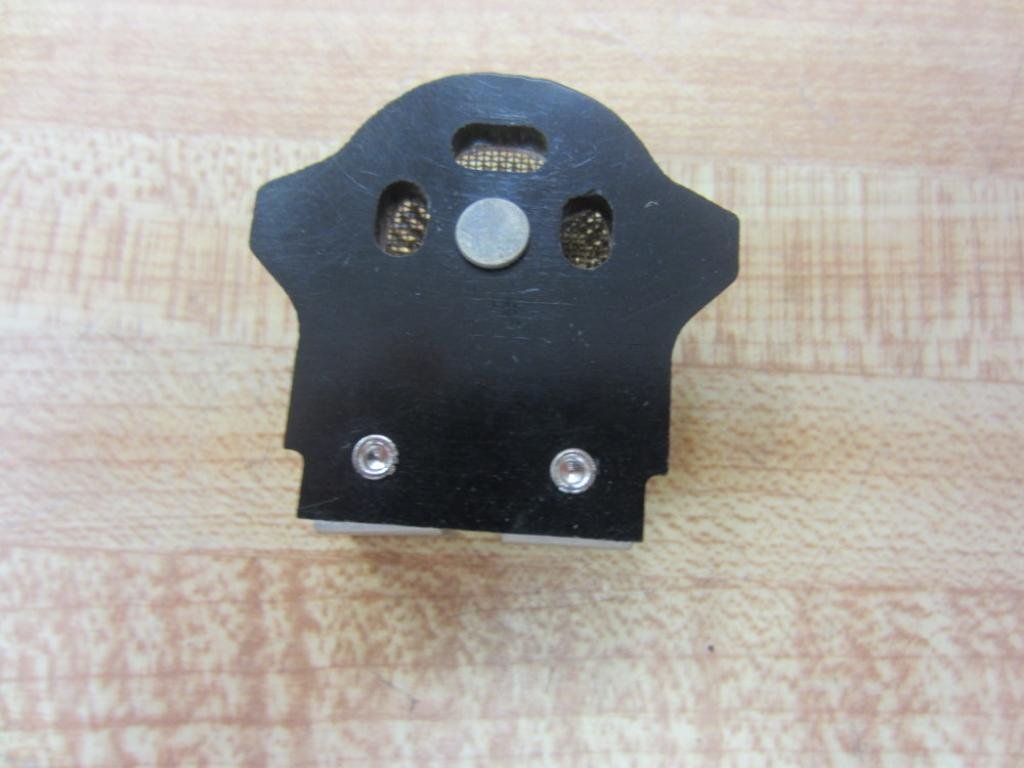
Figure 3.3: Underside view of the thermal unit, illustrating its mounting structure.
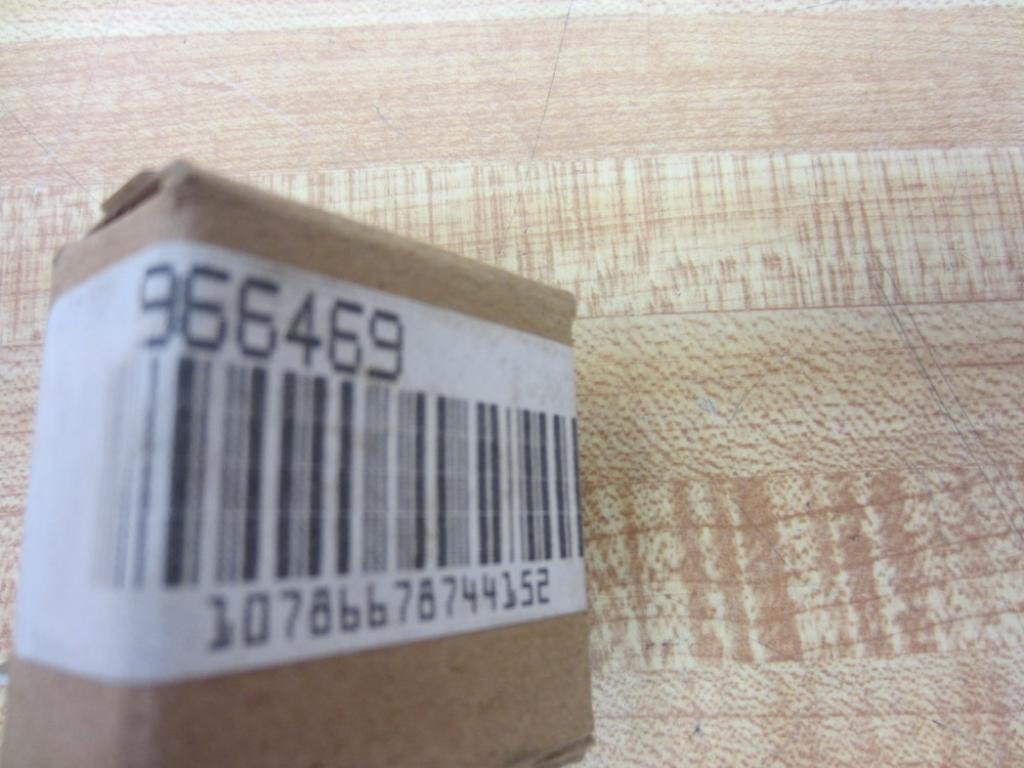
Figure 3.4: Product packaging with part number and barcode.
4. Setup and Installation
The 966469-H thermal unit is designed for installation into a compatible Westinghouse overload relay. Refer to the specific overload relay's manual for detailed installation instructions. General steps include:
- Power Disconnection: Ensure all power to the circuit is completely disconnected and verified de-energized before beginning installation.
- Identify Slot: Locate the designated slots or receptacles within the overload relay where the thermal units are inserted.
- Insert Unit: Carefully insert the 966469-H thermal unit into its corresponding slot. Ensure it is seated firmly and correctly.
- Secure Connections: If applicable, tighten any retaining screws or clips to secure the thermal unit in place. Verify proper electrical contact.
- Verify Compatibility: Confirm that the thermal unit's rating matches the motor or load it is intended to protect.
Incorrect installation can lead to improper protection or damage to the equipment.
5. Operating Principles
The 966469-H thermal unit operates on the principle of thermal expansion. When current flows through the heating element, it generates heat. In an overload condition, the sustained excessive current causes the element to heat up beyond its normal operating temperature. This heat is transferred to a bimetallic strip or eutectic alloy within the associated overload relay. Once a predetermined temperature is reached, the bimetallic strip bends or the eutectic alloy melts, triggering a mechanical mechanism that trips the overload relay, thereby opening the control circuit and de-energizing the protected equipment. This action prevents the motor or load from drawing excessive current, which could lead to overheating and permanent damage.
6. Maintenance
The Westinghouse 966469-H thermal unit is a robust component, but periodic inspection is recommended to ensure continued reliable operation:
- Visual Inspection: Regularly inspect the thermal unit and its connections for any signs of discoloration, burning, loose connections, or physical damage.
- Cleanliness: Keep the area around the thermal unit clean and free of dust, dirt, or debris that could impede heat dissipation. Use a dry, non-conductive brush or compressed air for cleaning.
- Replacement: Thermal units are generally not repairable. If the unit shows signs of damage, or if the overload relay is frequently tripping without an apparent electrical fault, the thermal unit may need to be replaced. Always replace with an identical Westinghouse 966469-H unit or an approved equivalent with the same characteristics.
7. Troubleshooting
If the overload relay trips unexpectedly or fails to trip during an overload condition, consider the following:
| Problem | Possible Cause | Solution |
|---|---|---|
| Overload relay trips frequently. |
|
|
| Overload relay does not trip during overload. |
|
|
If troubleshooting steps do not resolve the issue, consult a qualified electrician or contact Westinghouse technical support.
8. Specifications
| Attribute | Value |
|---|---|
| Model Number | 966469-H |
| Manufacturer | Westinghouse |
| ASIN | B0160AXIBQ |
| Package Dimensions | 1 x 1 x 1 inches |
| Item Weight | 1.47 Pounds |
| Date First Available | September 16, 2015 |
9. Warranty Information
Specific warranty terms for the Westinghouse 966469-H Overload Thermal Unit Heating Element are provided by the manufacturer at the time of purchase. Please refer to your purchase documentation or contact Westinghouse directly for detailed warranty coverage, limitations, and claim procedures.
10. Support
For technical assistance, product inquiries, or support regarding the Westinghouse 966469-H Overload Thermal Unit Heating Element, please contact Westinghouse customer service or your authorized distributor. Contact information can typically be found on the official Westinghouse website or on your product packaging.
Westinghouse Official Website: www.westinghouse.com


