
M7 QD-321
M7 14.5mm Air Body Saw Low Vibration Instruction Manual
Model: QD-321 | Brand: M7
1. Safety Information
Always read and understand all safety warnings and instructions before operating this air body saw. Failure to follow the warnings and instructions may result in electric shock, fire, and/or serious injury. Keep this manual for future reference.
General Safety Rules
- Work Area Safety: Keep the work area clean and well-lit. Cluttered or dark areas invite accidents. Do not operate power tools in explosive atmospheres, such as in the presence of flammable liquids, gases, or dust.
- Personal Safety: Always wear appropriate personal protective equipment (PPE), including safety glasses or goggles, hearing protection, and gloves. Dress properly; avoid loose clothing or jewelry that can get caught in moving parts.
- Tool Use and Care: Do not force the tool. Use the correct tool for your application. Disconnect the air supply before making any adjustments, changing accessories, or storing the tool. Ensure the tool is securely connected to a clean, dry air supply at the recommended pressure.
- Maintenance: Maintain tools with care. Check for misalignment or binding of moving parts, breakage of parts, and any other condition that may affect the tool’s operation. If damaged, have the tool repaired before use.
This product meets OSHA specifications for safety.
2. Product Overview
The M7 QD-321 Air Body Saw is a high-performance pneumatic tool designed for efficient cutting of various materials including metals, plastics, and sheet rock. Its low vibration design and ergonomic grip enhance user comfort and reduce fatigue during extended use.
Key Features
- 14.5mm stroke length and 11000 SPM (Strokes Per Minute) for fast cutting.
- Efficient stroke rates increase work efficiency by 20%.
- Special air flow design reduces vibration by 30%.
- Streamlined design and ergonomic grip for reduced user fatigue.
Product Components

Figure 2.1: Side view of the M7 QD-321 Air Body Saw, highlighting its compact design.
3. Setup
Unpacking
Carefully remove the M7 QD-321 Air Body Saw and all accessories from its packaging. Inspect the tool for any signs of damage that may have occurred during shipping. If any damage is found, do not operate the tool and contact your supplier immediately.
Connecting Air Supply
The M7 QD-321 requires a clean, dry, and regulated air supply. Ensure your air compressor is capable of providing the necessary air pressure and volume (refer to specifications). Use an air hose with an inner diameter of at least 3/8 inch (10 mm) for optimal performance.
- Apply a few drops of pneumatic tool oil into the air inlet of the tool.
- Attach a quick-connect fitting (not included) to the air inlet of the saw.
- Connect the air hose from your compressor to the quick-connect fitting.
- Set your air compressor regulator to the recommended operating pressure (typically 90 PSI / 6.2 Bar).

Figure 3.1: Close-up view of the air inlet, where the air hose connects.
Blade Installation
Always ensure the air supply is disconnected before installing or changing blades.
- Locate the blade clamp mechanism at the front of the saw.
- Loosen the blade retention screw or lever (if applicable) to open the clamp.
- Insert the shank of the appropriate saw blade into the clamp, ensuring it is fully seated.
- Tighten the blade retention screw or lever securely to hold the blade firmly in place.
- Gently pull on the blade to confirm it is locked and will not come loose during operation.
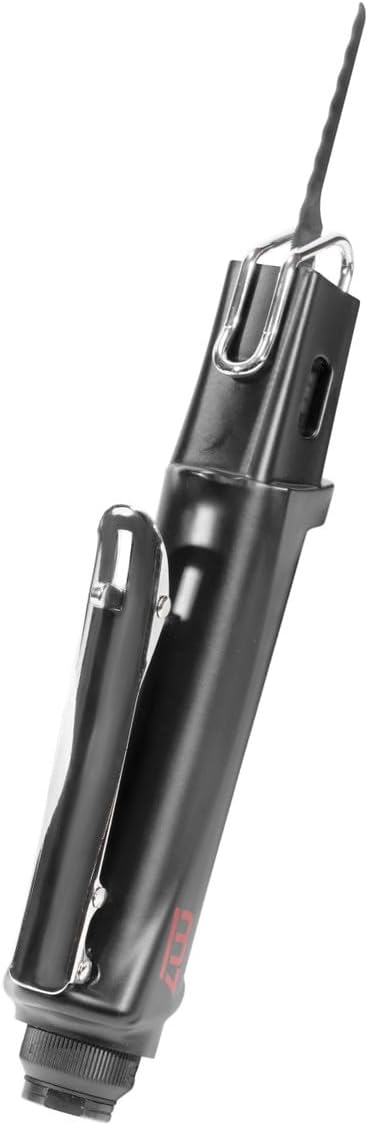
Figure 3.2: Angled view of the saw, illustrating the blade and front mechanism.
4. Operation
The M7 QD-321 Air Body Saw is designed for precise cutting. Always wear safety glasses and hearing protection during operation.
Starting the Tool
- Ensure the air supply is connected and regulated to the correct pressure.
- Grip the tool firmly with both hands, maintaining a stable stance.
- Depress the trigger to start the saw. The blade will begin reciprocating.
Cutting Procedures
Before cutting, mark your desired cut line clearly on the material. Secure the workpiece to prevent movement during cutting.
- Initial Cut: Place the blade gently against the material at the starting point of your cut. Apply light, consistent pressure.
- Cutting Motion: Guide the saw along the marked line. Allow the saw to do the work; do not force it. Excessive pressure can reduce blade life and cutting efficiency.
- Material Compatibility: This saw is suitable for cutting metals, plastics, and sheet rock. Ensure the blade type is appropriate for the material being cut.
Best Practices
- Maintain a steady hand and consistent feed rate for cleaner cuts.
- Periodically check the blade for wear or damage and replace as needed.
- The special air flow design helps reduce vibration, contributing to more comfortable and precise operation.
5. Maintenance
Regular maintenance ensures the longevity and optimal performance of your M7 QD-321 Air Body Saw.
Cleaning
- After each use, disconnect the air supply and wipe down the tool with a clean, dry cloth.
- Remove any debris or dust from the blade area and ventilation ports using compressed air or a soft brush.
Lubrication
Pneumatic tools require regular lubrication to maintain internal components.
- Apply 5-10 drops of pneumatic tool oil into the air inlet before each use, or at least once daily if used frequently.
- Run the tool for a few seconds after applying oil to distribute it throughout the motor.
Blade Replacement
Replace blades when they become dull, bent, or damaged to ensure efficient and safe cutting.
- Disconnect the air supply.
- Follow the blade installation steps in Section 3 in reverse to remove the old blade.
- Install a new, appropriate blade as described in Section 3.
Storage
Store the tool in a clean, dry environment away from direct sunlight and extreme temperatures. Disconnect the air supply and ensure the tool is clean before storage.
6. Troubleshooting
This section provides solutions to common issues you might encounter with your M7 QD-321 Air Body Saw.
| Problem | Possible Cause | Solution |
|---|---|---|
| Tool does not start or runs slowly. | Low air pressure; Clogged air inlet; Lack of lubrication; Damaged internal components. | Check air compressor pressure and regulator setting; Clean air inlet; Apply pneumatic tool oil; Contact service center. |
| Reduced cutting efficiency. | Dull or incorrect blade; Insufficient air pressure; Forcing the tool. | Replace blade with a sharp, appropriate type; Verify air pressure; Allow the tool to work at its own pace. |
| Excessive vibration or noise. | Loose blade; Worn internal parts; Insufficient lubrication. | Ensure blade is securely fastened; Apply pneumatic tool oil; If problem persists, contact service center. |
| Air leaks. | Loose fittings; Damaged O-rings or seals. | Tighten all air fittings; Inspect and replace damaged seals or O-rings. |
7. Specifications
Detailed technical specifications for the M7 QD-321 Air Body Saw.
| Specification | Value |
|---|---|
| Brand | M7 |
| Model Name | QD-321 |
| Stroke Length | 14.5mm |
| Strokes Per Minute (SPM) | 11000 |
| Power Source | Hand-powered (Pneumatic) |
| Blade Material | High Speed Steel |
| Surface Recommendation | Plastic, Metal |
| Item Dimensions (LxWxH) | 1 x 1 x 1 inches |
| Package Weight | 0.57 Kilograms |
| Specification Met | OSHA |
| Manufacturer | Builders World Wholesale Distribution |
8. Warranty and Support
M7 products are manufactured to high-quality standards. For specific warranty information regarding your QD-321 Air Body Saw, please refer to the warranty card included with your purchase or visit the official M7 website.
For technical support, spare parts, or service inquiries, please contact your authorized M7 dealer or the manufacturer directly. You can find more information and contact details on the M7 Store on Amazon.
Ask a question about this manual
Ask about setup, troubleshooting, compatibility, parts, safety, or missing instructions. Manuals+ will review the question and use this page’s manual context to help answer it.