1. Introduction
1.1 Product Overview
The Rocna ROCORG010GS is a 10 kg galvanized anchor designed for marine vessels. It is engineered to provide reliable holding power across various seabed types, offering stability for anchoring in diverse conditions.
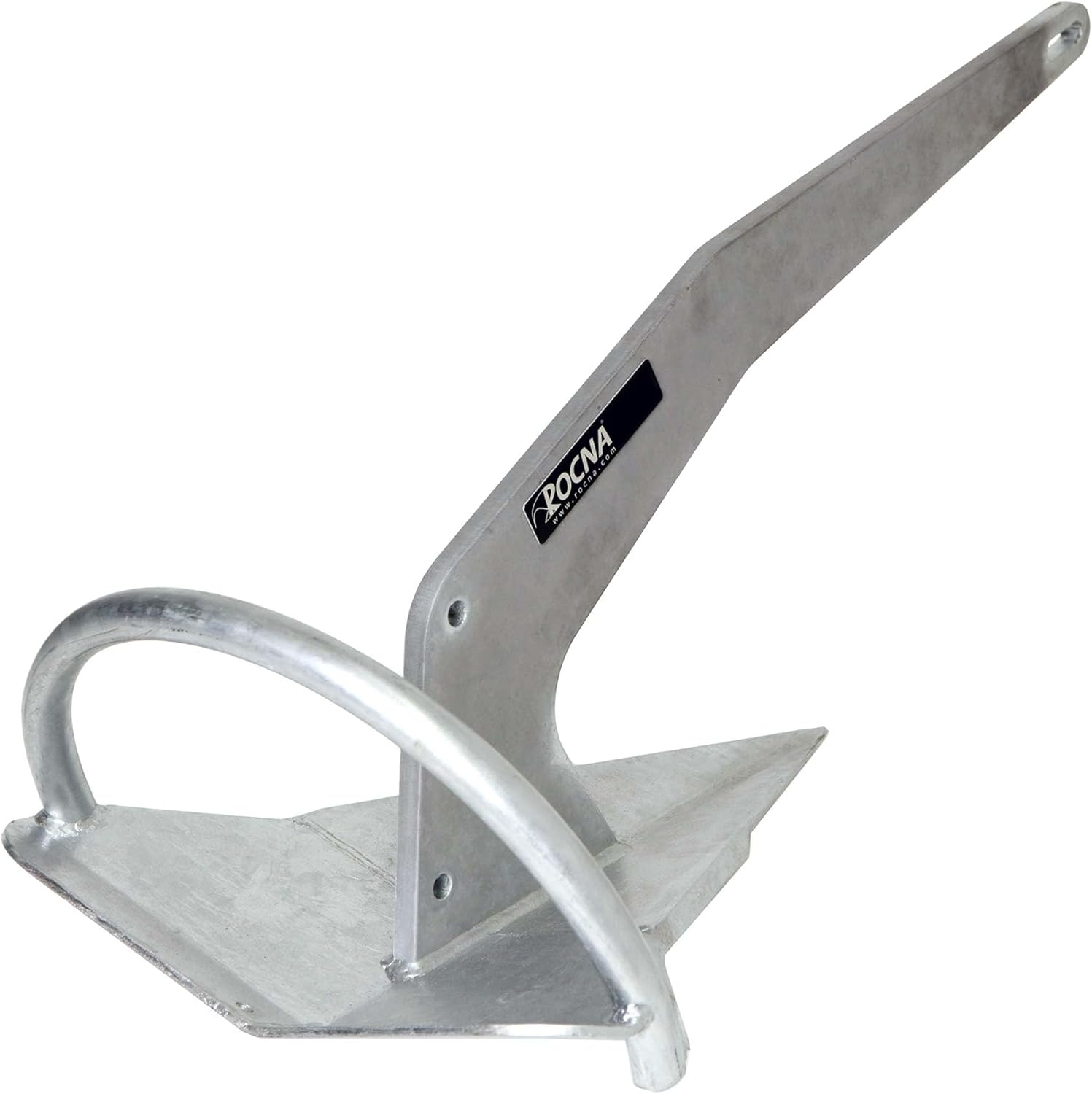
Image 1.1: Front view of the Rocna ROCORG010GS 10 kg galvanized anchor.
1.2 Key Features
- Multi-purpose design: Engineered to set effectively in various ocean floor compositions.
- Instant setting capability: Designed for quick engagement with the seabed.
- Self-launching: Facilitates smooth deployment from a bow roller.
- Consistent holding power: Maintains strong grip, resistant to shifts caused by wind and tide.
- Suitable for various vessel sizes: Applicable for a range of boats, from small runabouts to larger yachts.
2. Setup and Installation
2.1 Unpacking and Inspection
Upon receiving your Rocna anchor, carefully remove it from its packaging. Inspect the anchor for any signs of damage that may have occurred during shipping. Ensure all components are intact and the galvanized coating is uniform.
2.2 Connecting to Rode (Anchor Line)
The anchor must be securely attached to your vessel's anchor rode, which typically consists of chain and/or rope. The connection point is the shackle hole at the end of the anchor shank.
- Select a shackle of appropriate size and strength for your anchor and vessel. Ensure the shackle pin is securely fastened, preferably by mousing (securing with wire) to prevent accidental unscrewing.
- Attach the shackle to the anchor's shackle hole.
- Connect the anchor chain to the shackle. If using a combination of chain and rope, ensure the splice or knot connecting them is strong and reliable.
2.3 Mounting on Vessel
The Rocna anchor is designed to fit most bow rollers. Ensure your bow roller system is robust enough to handle the anchor's weight and dimensions, and allows for smooth deployment and retrieval without snagging.
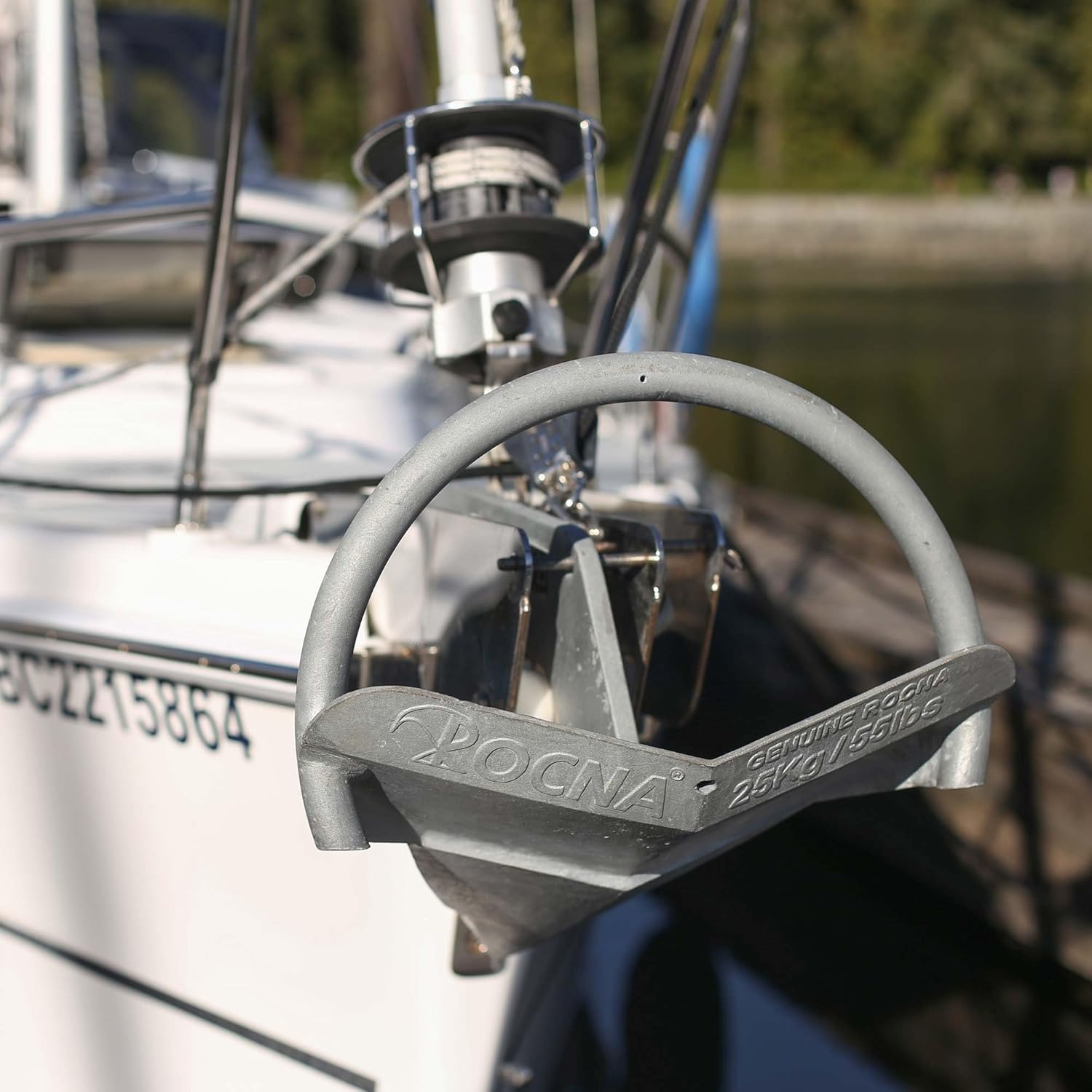
Image 2.1: Rocna anchor properly seated on a vessel's bow roller.
3. Operating Instructions
3.1 Deployment
Before deploying, ensure the anchor rode is clear and free of obstructions. Position your vessel over the desired anchoring spot.
- Slowly lower the anchor to the seabed. Avoid simply dropping it, as this can cause the chain to pile up and prevent proper setting.
- As the anchor reaches the bottom, continue to pay out rode as your vessel drifts backward. The amount of rode to deploy (scope) depends on depth, weather conditions, and seabed type. A common recommendation is a scope of 5:1 to 7:1 (e.g., 5-7 units of rode for every 1 unit of depth).
3.2 Setting the Anchor
Once sufficient rode is deployed, gently apply tension to the anchor line to allow the anchor to dig into the seabed. This process is known as 'setting' the anchor.
- Engage the vessel's engine in reverse at a slow speed, or allow the wind/current to pull the boat back.
- Monitor the anchor line for steady tension, indicating the anchor is digging in. Avoid excessive force, which can cause the anchor to break out.
- Once set, observe fixed points on shore or use GPS to confirm the vessel is not dragging.
3.3 Retrieval
To retrieve the anchor, motor slowly towards the anchor while taking in the rode. This reduces the load on the anchor windlass and helps to break the anchor free from the seabed.
- Motor directly over the anchor, pulling the rode vertically.
- Once the anchor is directly beneath the bow, it should break free.
- Raise the anchor completely and secure it on the bow roller or in its designated storage position.

Image 3.1: Side profile of the Rocna anchor, showing its design for effective setting.
4. Maintenance
4.1 Regular Inspection
Periodically inspect your Rocna anchor for any signs of wear, corrosion, or damage. Pay close attention to the shackle, shackle pin, and the anchor's tip and flukes.
- Check the galvanized coating for any areas where it may have worn off, exposing bare steel.
- Ensure the anchor's tip is sharp and undamaged, as this is crucial for initial penetration.
- Inspect the shackle and its pin for bending, cracking, or excessive wear. Replace if necessary.
4.2 Cleaning
After each use, especially in muddy or silty conditions, rinse the anchor with fresh water to remove any accumulated mud, sand, or debris. This helps prevent corrosion and keeps the anchor ready for its next deployment.
4.3 Storage
When not in use, store the anchor securely on its bow roller or in a dedicated anchor locker. Ensure it is properly lashed down to prevent movement while underway, which could cause damage to the vessel or injury.
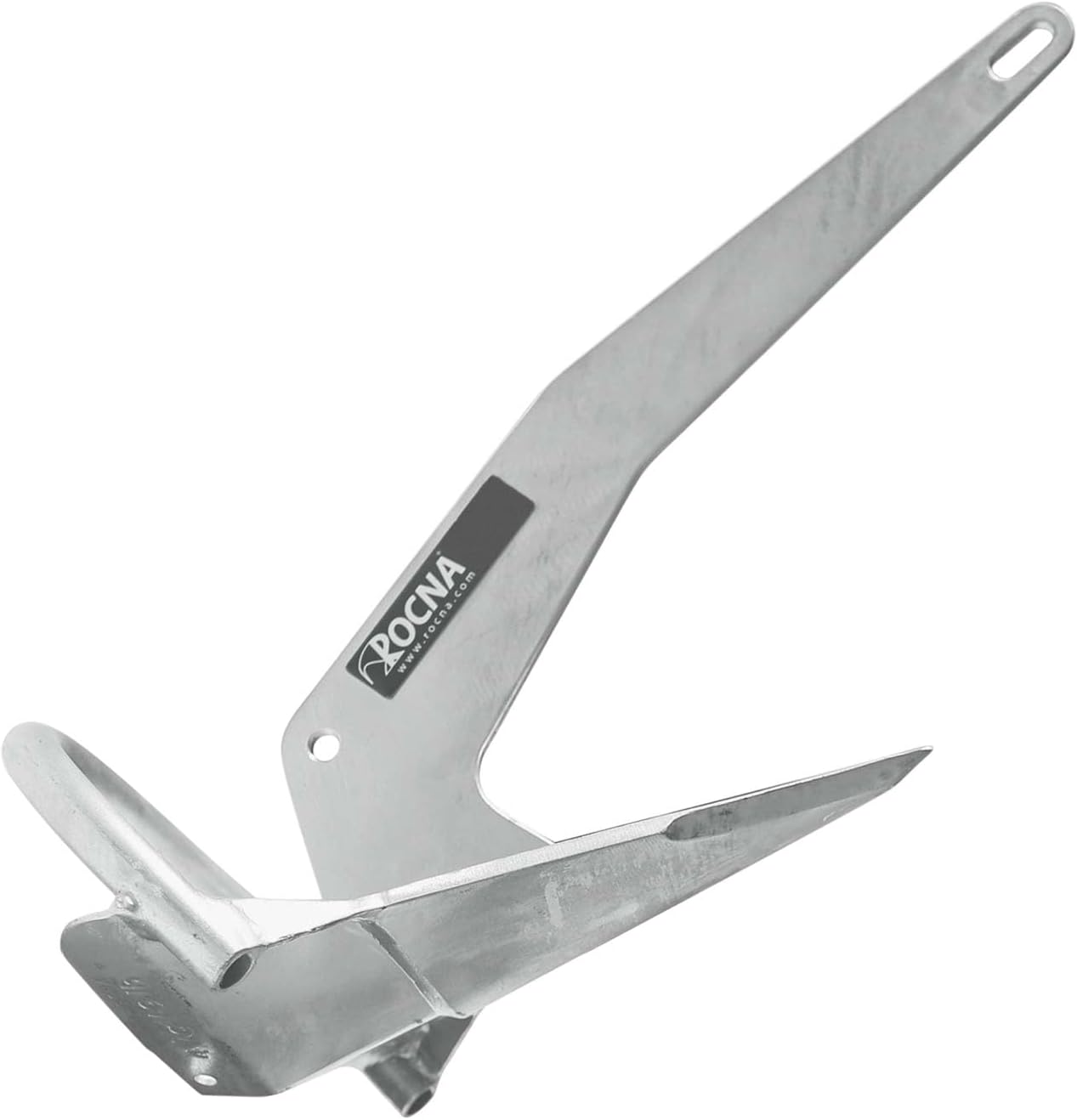
Image 4.1: Rear view of the Rocna anchor, showing the robust construction.
5. Troubleshooting
5.1 Anchor Not Setting
If the anchor fails to set, consider the following:
- Insufficient Scope: Ensure you have paid out enough anchor rode for the depth and conditions. Increase the scope if necessary.
- Seabed Type: Some seabeds (e.g., very hard rock, thick weed) can be challenging for any anchor. Try repositioning to a different area.
- Deployment Speed: Deploying too fast can cause the anchor to skip across the bottom. Deploy slowly and allow the anchor to settle.
5.2 Anchor Dragging
If the anchor is dragging after being set:
- Re-evaluate Scope: Increase the scope to improve the anchor's angle of pull and holding power.
- Check for Fouling: The anchor may have picked up debris or become fouled on an underwater obstruction. Retrieve and re-deploy.
- Weather Conditions: Strong winds or currents may exceed the anchor's holding capacity for the given scope and seabed. Consider deploying a second anchor or seeking a more sheltered location.
5.3 Anchor Stuck
If the anchor becomes stuck on an underwater obstruction:
- Try Different Angles: Motor slowly around the anchor in a wide circle while maintaining tension on the rode. This may dislodge it.
- Anchor Retrieval System: Some anchors are designed with a trip line attachment point to aid in retrieval from the crown. If your anchor has this feature, a trip line can be used.
6. Specifications
| Attribute | Detail |
|---|---|
| Brand | Rocna |
| Model | ROCORG010GS |
| Anchor Weight | 10 kg (approximately 21.3 pounds) |
| Material | Galvanized Steel |
| Manufacturer | Canada Metal Pacific |
| Package Dimensions | 35.04 x 18.5 x 15.55 inches |
| ASIN | B011EJRNSC |
| Date First Available | November 20, 2018 |
7. Warranty and Support
For information regarding product warranty, please refer to the documentation provided at the time of purchase or contact Rocna customer support directly. Keep your purchase receipt as proof of purchase.
For technical assistance or further inquiries, please visit the official Rocna website or contact their authorized distributors.


