
1. Introduction
The D-Link DSL-G225 Wireless N300 ADSL2+/VDSL2 Modem Router is designed to provide a reliable and secure internet connection for home and office environments. This device supports various internet connection types, including ADSL2+, VDSL2, NBN (Australia), and UFB (New Zealand), ensuring broad compatibility with different service providers.
Equipped with N300 Wi-Fi technology and four Ethernet LAN ports, the DSL-G225 allows for seamless sharing of your internet connection across multiple devices such as desktop computers, laptops, tablets, smartphones, gaming consoles, and smart TVs.
Key features include:
- Integrated ADSL2+/VDSL2 Modem for direct line connection.
- Wireless N300 technology for fast Wi-Fi speeds.
- Four 10/100 Ethernet LAN ports for wired connections.
- Support for NBN (Australia) and UFB (New Zealand) connection options.
- Easy setup wizard for quick installation.
2. Hardware Overview
2.1 Front Panel
The front panel of the DSL-G225 features a series of LED indicators that provide real-time status information about the device's operation.
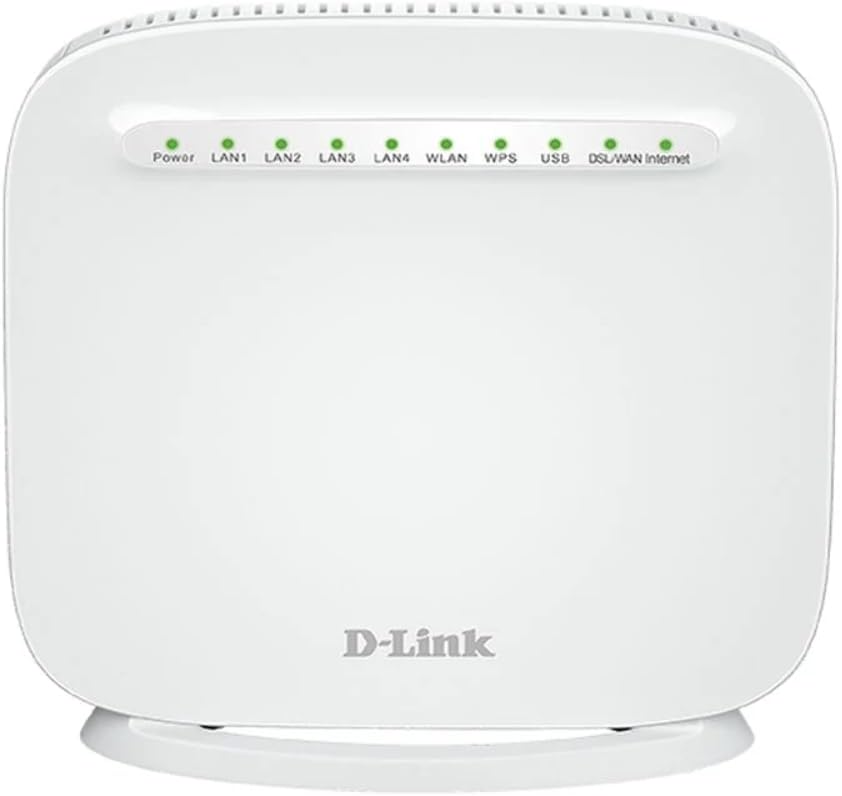
Figure 1: Front view of the D-Link DSL-G225 Modem Router, showing the Power, LAN, WLAN, WPS, USB, DSL/WAN, and Internet LED indicators.
| LED Indicator | Status | Description |
|---|---|---|
| Power | Solid Green | The device is powered on. |
| LAN 1-4 | Solid Green | A device is connected to the corresponding LAN port. |
| Flashing Green | Data is being transmitted or received through the corresponding LAN port. | |
| WLAN | Solid Green | Wireless functionality is enabled. |
| Flashing Green | Wireless data is being transmitted or received. | |
| WPS | Flashing Green | WPS connection attempt in progress. |
| USB | Solid Green | A USB device is connected and recognized. |
| DSL/WAN | Solid Green | DSL line is connected and synchronized, or WAN port is active. |
| Flashing Green | Attempting to establish DSL synchronization or WAN connection. | |
| Internet | Solid Green | Successfully connected to the internet. |
| Flashing Green | Data is being transmitted or received over the internet. |
2.2 Rear Panel
The rear panel contains all the physical ports for connecting the modem router to your internet service and local network devices.
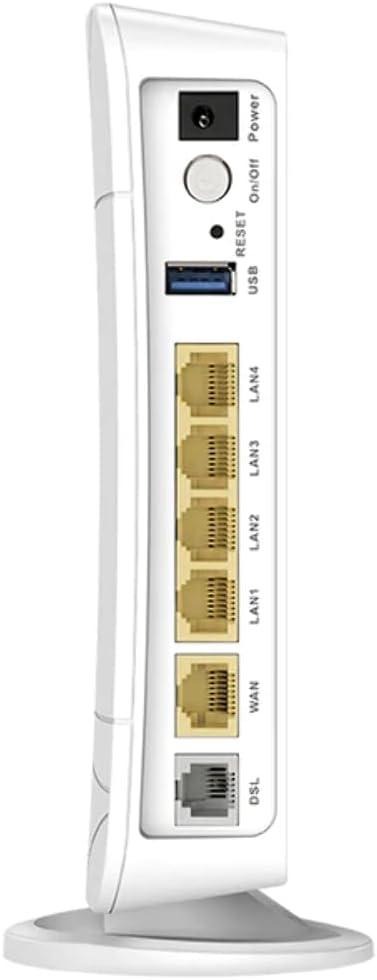
Figure 2: Rear view of the D-Link DSL-G225 Modem Router, displaying the Power input, On/Off button, Reset button, USB port, LAN ports, WAN port, and DSL port.
| Port/Button | Description |
|---|---|
| Power Input | Connects to the provided power adapter. |
| On/Off Button | Powers the device on or off. |
| Reset Button | Press and hold for 10 seconds to restore factory default settings. |
| USB Port | Connects USB devices such as storage drives for network sharing. |
| LAN 1-4 Ports | Connects wired devices (e.g., computers, gaming consoles) using Ethernet cables. |
| WAN Port | Connects to an external modem or NBN/UFB Network Termination Device (NTD) for internet access. |
| DSL Port | Connects to the telephone line for ADSL2+/VDSL2 internet service. |
3. Setup
3.1 Physical Connection
- Power Connection: Connect the provided power adapter to the Power Input port on the rear panel of the modem router and then plug it into a power outlet. Press the On/Off button. The Power LED on the front panel should illuminate green.
- Internet Connection:
- For ADSL2+/VDSL2: Connect a telephone cable from your wall socket to the DSL port on the modem router.
- For NBN/UFB (FTTP/FTTC/HFC/Fixed Wireless): Connect an Ethernet cable from your NBN/UFB Network Termination Device (NTD) or wall socket to the WAN port on the modem router.
- Local Network Connection (Optional): Connect an Ethernet cable from one of the LAN 1-4 ports on the modem router to your computer's Ethernet port. For wireless devices, proceed to the Wi-Fi connection steps.
3.2 Initial Configuration
After physical connections are made, you can configure the modem router using its web-based interface.
- Ensure your computer is connected to the modem router via Ethernet or Wi-Fi.
- Open a web browser (e.g., Chrome, Firefox, Edge).
- In the address bar, type
http://192.168.1.1(default IP address) and press Enter. - Enter the default username and password (usually
adminfor both, or as printed on a label on the device). - Follow the on-screen Setup Wizard to configure your internet connection settings (ISP username/password, connection type) and Wi-Fi network name (SSID) and password.
4. Operating
4.1 Connecting Devices via Wi-Fi
- On your wireless device (smartphone, tablet, laptop), open the Wi-Fi settings.
- Scan for available networks.
- Select your Wi-Fi network name (SSID) as configured during the setup process.
- Enter your Wi-Fi password (network key) when prompted.
- Your device should now be connected to the internet via Wi-Fi.
4.2 Connecting Devices via Ethernet
For devices requiring a stable wired connection, use an Ethernet cable.
- Connect one end of an Ethernet cable to an available LAN port (1-4) on the rear of the modem router.
- Connect the other end of the Ethernet cable to the Ethernet port on your device (e.g., computer, smart TV, gaming console).
- The corresponding LAN LED on the front panel should illuminate green, indicating a successful connection.
4.3 USB Port Functionality
The USB port on the DSL-G225 can be used to connect a USB storage device (e.g., a USB flash drive or external hard drive) to share files across your network. Refer to the modem router's web interface for specific settings related to USB storage sharing.
5. Maintenance
5.1 Firmware Updates
Periodically check the D-Link Australia support website for firmware updates. Firmware updates can improve performance, add new features, and address security vulnerabilities. Follow the instructions provided on the D-Link website carefully when performing a firmware update.
5.2 Factory Reset
If you encounter persistent issues or forget your login credentials, you can perform a factory reset. This will revert all settings to their default values.
- With the modem router powered on, locate the Reset button on the rear panel.
- Using a paperclip or a similar pointed object, press and hold the Reset button for approximately 10 seconds.
- Release the button. The modem router will restart with factory default settings. You will need to reconfigure your internet and Wi-Fi settings.
6. Troubleshooting
6.1 No Internet Connection
- Check Cables: Ensure all cables (power, DSL/WAN, Ethernet) are securely connected.
- LED Status: Verify the Power, DSL/WAN, and Internet LEDs are solid green. If the DSL/WAN LED is flashing, there might be an issue with your internet line or connection type. If the Internet LED is off, check your ISP settings in the router's web interface.
- ISP Credentials: Confirm that your internet service provider (ISP) username and password are correctly entered in the modem router's configuration.
- Restart Devices: Power cycle the modem router and any connected devices (computer, NBN/UFB NTD) by unplugging them for 30 seconds and then plugging them back in.
6.2 Wi-Fi Connection Issues
- WLAN LED: Ensure the WLAN LED on the front panel is solid green. If it's off, Wi-Fi might be disabled. Check settings in the web interface.
- Correct Password: Verify you are entering the correct Wi-Fi password (network key).
- Signal Strength: Move closer to the modem router to check if signal strength is an issue. Obstacles like walls and large appliances can interfere with Wi-Fi signals.
- Channel Interference: In congested areas, changing the Wi-Fi channel in the router's settings may improve performance.
6.3 Slow Internet Speed
- Number of Devices: Too many devices actively using the network can reduce speeds.
- Interference: Other wireless devices (cordless phones, microwaves) can cause interference.
- Firmware: Ensure your modem router has the latest firmware installed.
- ISP Issue: Contact your internet service provider to check for any network issues in your area or with your service plan.
7. Specifications
| Feature | Detail |
|---|---|
| Model Number | DSL-G225-AU |
| Brand | D-Link |
| Series | Wireless N300 |
| Wireless Type | 802.11n |
| Frequency Band Class | Single-Band |
| Ethernet Ports | 4 x 10/100 LAN ports, 1 x WAN port |
| USB Ports | 1 x USB 2.0 Port |
| Modem Type | ADSL2+/VDSL2 |
| Operating System | RouterOS (D-Link Firmware) |
| Special Feature | Access Point Mode |
| Dimensions (L x W x H) | 15.5 x 15 x 6 cm |
| Item Weight | 590 g |
| Manufacturer | D-Link Australia |
8. Warranty and Support
For warranty information and technical support, please refer to the official D-Link Australia website or contact D-Link customer service. Warranty terms and conditions may vary by region and purchase date.
It is recommended to register your product on the D-Link website to receive updates and access support resources.


