
RIDGID 23498
RIDGID RC-1625 Ratchet Cutter User Manual
Model: 23498
1. Introduction
This manual provides essential information for the safe and effective operation, maintenance, and troubleshooting of the RIDGID RC-1625 Ratchet Cutter. Please read this manual thoroughly before using the tool to ensure proper handling and to prevent injury or damage.
The RIDGID RC-1625 is designed for cutting various types of plastic pipes up to 42mm (1-5/8 inches) in diameter. Its ratchet mechanism allows for easy, single-handed operation.
2. Safety Information
Always observe the following safety precautions when using the RIDGID RC-1625 Ratchet Cutter:
- Eye Protection: Always wear ANSI Z87.1 approved safety glasses or goggles to protect against flying debris.
- Hand Protection: Wear appropriate gloves to protect hands from sharp edges and potential pinch points.
- Work Area: Ensure your work area is well-lit and clear of obstructions. Keep bystanders away.
- Tool Condition: Inspect the cutter before each use. Do not use if the blade is dull, chipped, or if any part of the tool is damaged.
- Proper Use: Use the tool only for its intended purpose – cutting plastic pipes within its specified capacity. Do not attempt to cut metal pipes or other materials.
- Blade Safety: The blade is extremely sharp. Handle with care. Keep fingers clear of the blade during operation and when closing the tool.
- Storage: Store the tool in a dry, secure place, out of reach of children. Ensure the blade is fully closed and locked if applicable.
3. Setup
The RIDGID RC-1625 Ratchet Cutter requires minimal setup before use.
3.1 Unpacking
- Carefully remove the ratchet cutter from its packaging.
- Inspect the tool for any signs of shipping damage. If damaged, do not use and contact your supplier.
- Retain packaging for future storage or transport.
3.2 Initial Inspection
- Ensure the blade is clean and free of debris.
- Check that the ratchet mechanism operates smoothly.
- Confirm the handles provide a secure grip.

Figure 3.2.1: The RIDGID RC-1625 Ratchet Cutter in its closed position, showing the overall design and blade.
4. Operating Instructions
Follow these steps for safe and effective cutting:
- Open the Cutter: Squeeze the handles together slightly and release to allow the blade to open fully. The ratchet mechanism will engage, allowing the blade to extend.
- Position the Pipe: Place the pipe to be cut into the V-shaped jaw of the cutter. Ensure the pipe is seated firmly and squarely against the fixed jaw.
- Align the Cut: Position the pipe so that the desired cut line is directly under the blade. Ensure the pipe is perpendicular to the blade for a clean, straight cut.
- Begin Cutting: Squeeze the handles firmly and steadily. The ratchet mechanism will advance the blade through the pipe with each squeeze.
- Continue Cutting: Release the handles slightly after each squeeze to allow the ratchet to reset, then squeeze again. Repeat this action until the pipe is completely cut through.
- Remove the Pipe: Once the cut is complete, fully open the handles to release the pipe.
- Close the Cutter: Squeeze the handles until the blade is fully retracted and locked into its closed position for safe storage.
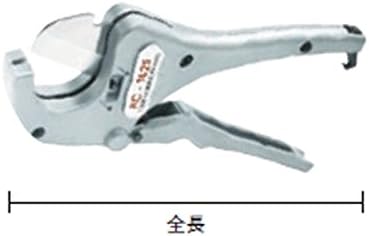
Figure 4.1.1: The RIDGID RC-1625 Ratchet Cutter demonstrating its full length, indicating the overall size for operational context.
5. Maintenance
Regular maintenance ensures the longevity and optimal performance of your RIDGID RC-1625 Ratchet Cutter.
5.1 Cleaning
- After each use, wipe the blade and jaws clean of any plastic residue or debris using a dry cloth.
- For stubborn residue, a mild solvent can be used, but ensure it does not damage the tool's finish.
5.2 Lubrication
- Periodically apply a light machine oil to the pivot points and the ratchet mechanism to ensure smooth operation.
- Wipe off any excess oil.
5.3 Blade Replacement
The blade is designed for durability, but will eventually dull. Replacement blades are available from authorized RIDGID dealers. Refer to the specific instructions provided with the replacement blade for proper installation.
- Ensure the cutter is fully open.
- Locate the blade retaining screw(s).
- Carefully remove the screw(s) and the old blade. Exercise extreme caution as the old blade may still be sharp.
- Install the new blade, ensuring it is correctly seated.
- Secure the blade with the retaining screw(s).
- Test the cutter's operation with the new blade.
6. Troubleshooting
Refer to the table below for common issues and their solutions.
| Problem | Possible Cause | Solution |
|---|---|---|
| Cutter not advancing or sticking | Residue build-up; Lack of lubrication; Damaged ratchet mechanism | Clean the tool thoroughly; Apply lubricant to pivot points and ratchet; Inspect for damage, replace if necessary. |
| Rough or uneven cuts | Dull or damaged blade; Incorrect pipe positioning | Replace the blade; Ensure pipe is seated squarely and perpendicular to the blade. |
| Difficulty opening/closing cutter | Dirt or debris in mechanism; Lack of lubrication | Clean the tool; Apply lubricant. |
| Tool feels loose or wobbly | Loose fasteners; Worn components | Check and tighten all screws; If components are worn, contact RIDGID service. |
7. Specifications
| Feature | Specification |
|---|---|
| Model Number | 23498 |
| Cutting Capacity | Up to 42mm (1-5/8 inches) |
| Tool Type | Ratchet Pipe Cutter |
| Materials Cut | Plastic pipes (PVC, PEX, PP, PE, etc.) |
| Item Weight | 2.2 pounds (approx. 1 kg) |
| Package Dimensions | 11.81 x 4.72 x 1.57 inches (approx. 30 x 12 x 4 cm) |
| Manufacturer | RIDGID |
8. Warranty and Support
For information regarding product warranty, service, or technical support, please visit the official RIDGID website or contact their customer service department. Keep your purchase receipt as proof of purchase.
RIDGID Official Website: www.ridgid.com
Ask a question about this manual
Ask about setup, troubleshooting, compatibility, parts, safety, or missing instructions. Manuals+ will review the question and use this page’s manual context to help answer it.