1. Introduction
This manual provides essential information for the proper installation, operation, and maintenance of your Bosch Automotive BS151 Drum Brake Shoe Set. Designed for select American Motors, Bricklin, Ford, Hudson, Jeep, Mercury, and Plymouth vehicles, these brake shoes offer consistent, superior braking performance with 100 percent asbestos-free friction formulations.
Key features include rust inhibitive coating for durability, OE-style design for proper fit, and 100 percent new steel construction for long life. Pins and levers are included where applicable to facilitate installation.
2. Safety Information
WARNING: Improper installation or maintenance of brake components can lead to serious injury or death. Brake system work should only be performed by qualified and experienced automotive technicians.
- Always consult your vehicle's specific service manual for detailed instructions and torque specifications.
- Wear appropriate personal protective equipment, including safety glasses and gloves, when working on brake systems.
- Ensure the vehicle is securely supported on jack stands on a level surface before beginning any work.
- Do not reuse worn or damaged brake components.
- Keep brake fluid away from painted surfaces and skin.
3. Package Contents
Your Bosch Automotive BS151 Drum Brake Shoe Set package typically includes:
- Drum Brake Shoes (set of 4 for one axle)
- Pins and levers (where applicable for specific vehicle applications)
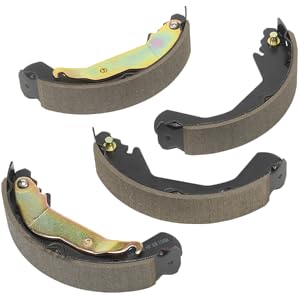
Figure 3.1: Bosch BS151 Drum Brake Shoes in their original box, showing two brake shoes and the product packaging.
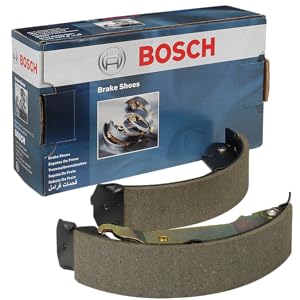
Figure 3.2: A complete set of four Bosch BS151 Drum Brake Shoes, illustrating the components for one axle.
4. Installation
The following steps provide a general overview for installing drum brake shoes. Always refer to your vehicle's specific service manual for detailed, model-specific instructions.
- Preparation: Park the vehicle on a level surface, engage the parking brake, and block the wheels. Loosen lug nuts, then raise the vehicle and secure it with jack stands. Remove the wheel and tire assembly.
- Drum Removal: Carefully remove the brake drum. This may require releasing the parking brake cable tension or using a drum puller if seized.
- Old Shoe Removal: Take a clear photograph of the existing brake shoe assembly for reference. Disconnect the return springs, hold-down springs, and parking brake lever. Remove the old brake shoes.
- Inspection and Cleaning: Inspect the wheel cylinder for leaks and the drum for excessive wear or scoring. Clean the backing plate thoroughly, removing all dust and debris. Apply a thin layer of high-temperature brake lubricant to contact points on the backing plate.
- New Shoe Installation: Assemble the new Bosch BS151 brake shoes with the parking brake lever and springs according to your reference photo and vehicle service manual. Ensure pins and levers are correctly positioned.
- Adjustment: Adjust the star wheel adjuster to ensure the brake shoes are properly positioned within the drum, allowing for slight drag when the drum is reinstalled.
- Reassembly: Reinstall the brake drum, wheel, and tire assembly. Lower the vehicle and torque the lug nuts to manufacturer specifications.
- Final Checks: Pump the brake pedal several times to seat the shoes. Check the brake fluid level and top off if necessary. Perform a test drive in a safe area to ensure proper braking function.

Figure 4.1: Close-up view of two Bosch BS151 Drum Brake Shoes, highlighting the friction material and integrated hardware.
5. Operating and Break-in Procedure
After installing new brake shoes, a proper break-in procedure is crucial for optimal performance and longevity.
5.1 Function of Drum Brake Shoes
Drum brake shoes are designed to press against the inner surface of a rotating brake drum, creating friction that slows or stops the vehicle. The friction material on the shoes converts kinetic energy into heat, which is then dissipated.
5.2 Break-in Procedure
Follow these steps to properly break in your new Bosch drum brake shoes:
- Drive the vehicle at a moderate speed (e.g., 30-40 mph).
- Apply the brakes moderately (not aggressively) to slow down to about 10 mph. Do not come to a complete stop.
- Release the brakes and drive for a short distance (e.g., 30 seconds) to allow the brakes to cool.
- Repeat this process approximately 10-15 times.
- Avoid hard braking or prolonged braking during the first 200 miles after installation.
This procedure helps to properly seat the brake shoes to the drum surface and cure the friction material, preventing premature wear and ensuring consistent braking performance.
6. Maintenance
Regular inspection and maintenance are vital for the safety and performance of your vehicle's braking system.
- Routine Inspection: Have your brake system, including drum brake shoes, inspected by a qualified technician at least once a year or every 12,000 miles, or as recommended by your vehicle manufacturer.
- Check for Wear: During inspection, check the thickness of the friction material on the brake shoes. Replace shoes if the friction material is worn down to the rivets or if less than 1.5mm of material remains.
- Drum Condition: Inspect brake drums for excessive wear, scoring, or cracks. Drums may need to be machined or replaced if they are beyond service limits.
- Cleanliness: Keep the brake assembly free of excessive dust and debris. Brake dust can be harmful; use an approved brake cleaner and follow safety precautions.
- Hardware: Ensure all springs, adjusters, and other hardware are in good condition and properly installed. Replace any corroded or damaged components.
7. Troubleshooting
If you experience any issues with your drum brakes, consult a qualified technician. Below are common symptoms and potential causes related to brake shoes:
| Symptom | Potential Cause (Brake Shoe Related) |
|---|---|
| Squealing or Grinding Noise | Worn-out shoes (metal-on-metal), improper break-in, contaminated friction material, loose hardware. |
| Reduced Braking Performance | Worn shoes, glazed shoes/drums, improper adjustment, contaminated friction material. |
| Brake Pedal Pulsation | Out-of-round brake drums (not directly shoe-related but affects shoe performance), uneven shoe wear. |
| Dragging Brakes | Over-adjusted shoes, seized wheel cylinder, damaged return springs. |
Always address brake issues promptly. Do not attempt to drive a vehicle with compromised braking performance.
8. Specifications
| Specification | Detail |
|---|---|
| Model Number | BS151 |
| Brand | Bosch |
| Manufacturer | Bosch Automotive |
| Item Weight | 5.5 pounds |
| Product Dimensions | 1 x 1 x 1 inches (Packaging/Shipping dimensions, actual shoe dimensions vary by application) |
| Friction Material | 100% Asbestos-Free |
| Construction | 100% New Steel |
| Exterior Finish | Machined |
| Application | Rear Drum Brake Systems (Compatible with select American Motors, Bricklin, Ford, Hudson, Jeep, Mercury, Plymouth) |
9. Warranty and Support
For specific warranty information regarding your Bosch Automotive BS151 Drum Brake Shoe Set, please refer to the documentation included with your purchase or visit the official Bosch Automotive website. Bosch stands behind its products, offering quality and reliability.
For technical support, product inquiries, or warranty claims, please contact Bosch Automotive customer service through their official channels. You can often find contact information on the product packaging or on the Bosch Automotive website.
Online Resources: www.boschautoparts.com


