
HKS 71008-AK001
Contents
HKS Super SQV4 Sequential Blow Off Valve Kit User Manual
Model: 71008-AK001
Introduction
This manual provides comprehensive instructions for the installation, operation, and maintenance of the HKS Super SQV4 Sequential Blow Off Valve Kit. The HKS Super SQV4 is a high-performance blow-off valve designed for universal application in turbocharged vehicles. It is engineered to release excess boost pressure, protecting the turbocharger and enhancing throttle response.
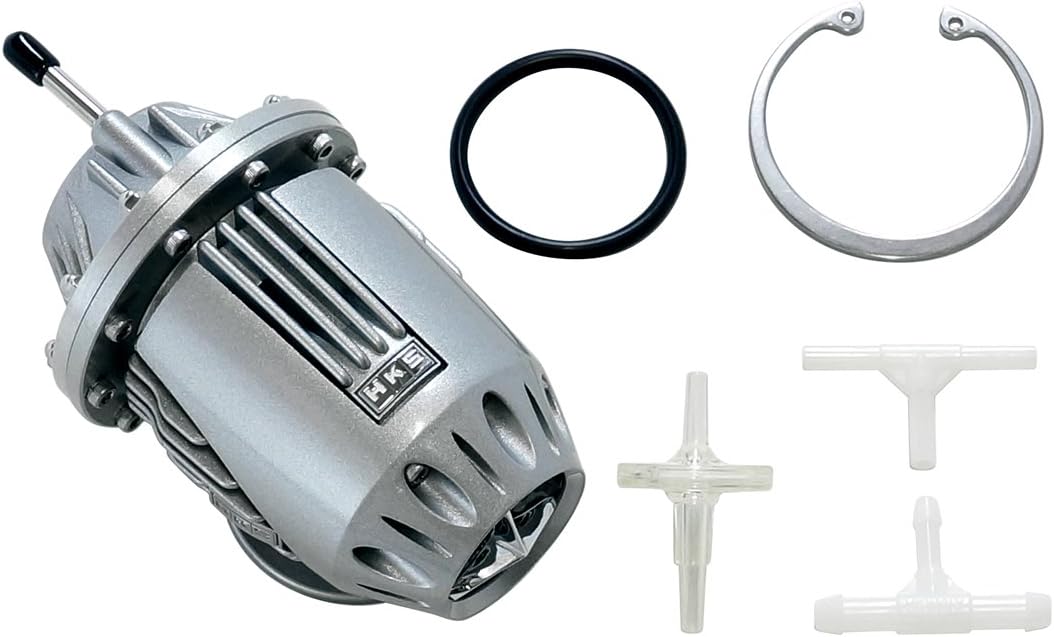
Figure 1: HKS Super SQV4 Blow Off Valve Kit components.
Safety Information
WARNING:
- Installation should only be performed by qualified personnel or experienced individuals with proper tools and safety equipment.
- Ensure the vehicle's engine is off and cool before beginning any installation or maintenance.
- Disconnect the vehicle's battery to prevent accidental electrical shorts.
- Wear appropriate personal protective equipment (PPE), including safety glasses and gloves.
- Refer to your vehicle's service manual for specific instructions related to turbocharger systems and vacuum lines.
- Improper installation can lead to engine damage or vehicle malfunction.
Package Contents
Verify that all components are present and undamaged before proceeding with installation.
- HKS Super SQV4 Blow Off Valve Unit
- O-ring (for sealing)
- C-clip (for securing)
- Vacuum line T-fittings (various sizes for universal application)
- Vacuum hose
- Mounting hardware (if applicable to specific kit)

Figure 2: Detailed view of the HKS Super SQV4 Blow Off Valve unit.
Setup and Installation
The HKS Super SQV4 is designed for universal application, meaning specific vehicle mounting and vacuum line routing will vary. The following steps provide a general guide.
- Identify Mounting Location: Choose a suitable location on the vehicle's intercooler piping or intake manifold that allows for secure mounting and easy access to vacuum sources. Ensure there is sufficient clearance from moving parts and heat sources.
- Prepare Mounting Surface: If installing on existing piping, ensure the surface is clean and free of debris. If drilling is required for a new flange (not included), follow precise measurements and deburr all edges.
- Install Blow Off Valve: Securely attach the HKS Super SQV4 unit to the chosen mounting location using appropriate hardware. Ensure the O-ring is properly seated to prevent boost leaks. Use the C-clip to secure the valve if it uses a quick-release flange.
- Connect Vacuum Line:
- Locate a reliable vacuum source on the intake manifold. This port should provide a strong, consistent vacuum signal.
- Using the provided vacuum hose and appropriate T-fitting, connect the vacuum source to the vacuum nipple on the HKS Super SQV4 valve.
- Ensure all vacuum connections are tight and free of leaks. Zip ties or small clamps can be used for added security.
- Test for Leaks: After installation, start the engine and listen for any unusual sounds. Perform a boost leak test if possible to ensure all connections are sealed.
- Adjust (if applicable): Some installations may require minor adjustments to the vehicle's engine management system (ECU) for optimal performance, especially if converting from a recirculating bypass valve to a vent-to-atmosphere blow-off valve. Consult a professional tuner if necessary.
Operating Principles
The HKS Super SQV4 (Sequential Blow Off Valve) operates by releasing excess boost pressure when the throttle closes. This prevents compressor surge, which can damage the turbocharger. Its sequential valve structure ensures stable operation across a wide range of boost pressures, from low to high, providing a crisp and consistent blow-off sound.
- When the throttle is open, the valve remains closed, allowing the turbocharger to build boost pressure.
- Upon throttle closure, engine vacuum increases, pulling on the diaphragm within the blow-off valve.
- This vacuum signal overcomes the spring pressure, opening the valve and venting the pressurized air from the intercooler piping to the atmosphere.
- The sequential design ensures a rapid and complete release of pressure, minimizing turbo lag upon re-acceleration.
Maintenance
Regular inspection and minor maintenance can prolong the life and ensure optimal performance of your HKS Super SQV4 Blow Off Valve.
- Visual Inspection (Every 6 months or 10,000 km): Check the valve for any signs of damage, corrosion, or loose connections. Ensure the vacuum hose is not cracked, kinked, or disconnected.
- Cleanliness: Periodically clean the exterior of the valve to remove dirt and grime. Avoid using harsh chemicals that could damage the finish or internal components.
- O-ring Inspection: Inspect the O-ring for cracks or wear. Replace if necessary to prevent boost leaks.
- Functionality Check: With the engine running, briefly open and close the throttle to ensure the valve actuates smoothly and produces the characteristic sound. If the sound is weak or inconsistent, check vacuum lines and connections.
Troubleshooting
| Symptom | Possible Cause | Solution |
|---|---|---|
| No blow-off sound or weak sound |
|
|
| Engine stalls or runs rough after throttle lift-off |
|
|
| Boost leak detected near BOV |
|
|
Specifications
| Attribute | Detail |
|---|---|
| Brand | HKS |
| Model Number | 71008-AK001 |
| Product Dimensions | 13.5 x 7.4 x 7.4 cm |
| Item Weight | 653 g |
| Exterior Material | Stainless Steel |
| Valve Type | Blow Off Valve |
| Inlet Connection Size | 7.4 Centimetres |
| Inlet Connection Type | Flare |
| Outlet Connection Size | 7.4 Centimetres |
| Outlet Connection Type | Flare |
| Number of Ports | 1 |
Warranty and Support
For warranty information and technical support, please contact HKS directly or refer to their official website. Keep your purchase receipt as proof of purchase.
For general inquiries or further assistance, you may visit the official HKS website or contact their customer service department.
Note: Specific warranty terms and conditions may vary by region and retailer.
Documents and downloads
Ask a question about this manual
Ask about setup, troubleshooting, compatibility, parts, safety, or missing instructions. Manuals+ will review the question and use this page’s manual context to help answer it.