
1. Introduction
This manual provides essential information for the safe and efficient operation, maintenance, and troubleshooting of your Virutex LB31E Belt Sander. Please read these instructions carefully before using the tool and keep this manual for future reference. Proper use and maintenance will ensure optimal performance and extend the lifespan of your sander.
2. General Safety Instructions
Always follow basic safety precautions when using electric tools to reduce the risk of fire, electric shock, and personal injury.
- Work Area Safety: Keep your work area clean and well-lit. Cluttered or dark areas invite accidents. Do not operate power tools in explosive atmospheres, such as in the presence of flammable liquids, gases, or dust.
- Electrical Safety: Power tool plugs must match the outlet. Never modify the plug in any way. Avoid body contact with earthed or grounded surfaces such as pipes, radiators, ranges, and refrigerators.
- Personal Safety: Always wear eye protection. Use dust masks, non-skid safety shoes, hard hats, or hearing protection for appropriate conditions. Dress properly. Do not wear loose clothing or jewelry. Keep hair and clothing away from moving parts.
- Tool Use and Care: Do not force the power tool. Use the correct power tool for your application. Disconnect the plug from the power source before making any adjustments, changing accessories, or storing power tools.
- Maintenance: Maintain power tools. Check for misalignment or binding of moving parts, breakage of parts, and any other condition that may affect the power tool’s operation.
3. Product Overview
The Virutex LB31E is a robust belt sander designed for efficient material removal and surface finishing. It operates on a standard 220/230V, 50/60Hz power supply.
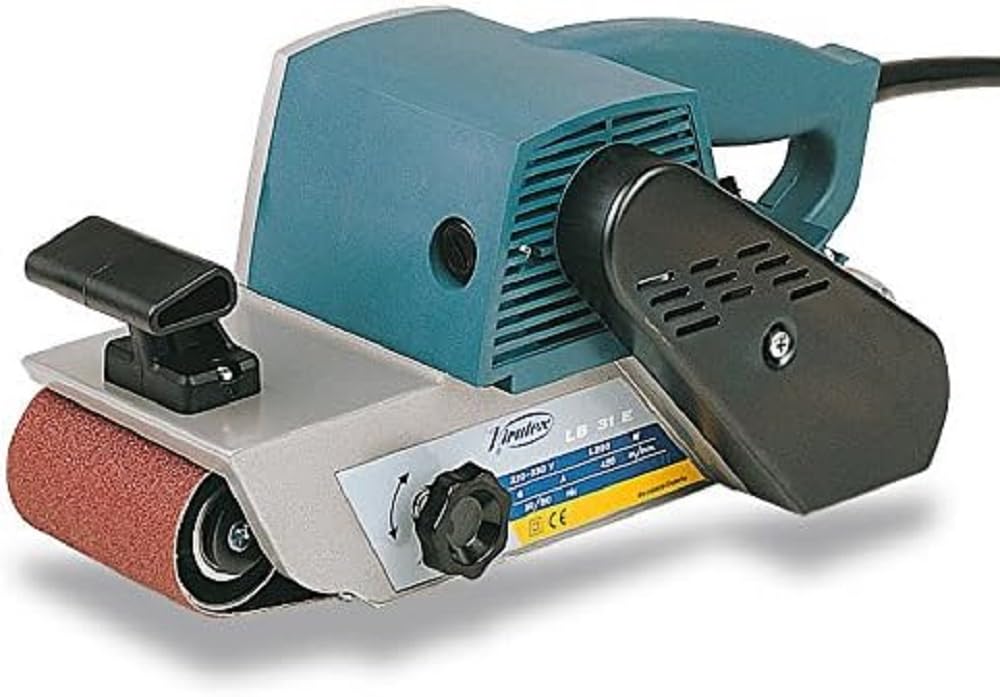
Figure 1: Virutex LB31E Belt Sander. This image shows the compact design of the sander with its main handle and sanding belt area.
Key Components:
- Main Handle: For gripping and guiding the tool.
- Sanding Belt: The abrasive surface for material removal.
- Belt Tracking Adjustment: Mechanism to keep the belt centered.
- Dust Collection Port: For connecting a dust extraction system (if applicable).
- Power Switch: To turn the tool ON/OFF.
4. Setup
Before initial use, ensure the sander is properly set up.
- Unpacking: Carefully remove the sander and all accessories from the packaging. Inspect for any damage.
- Installing the Sanding Belt:
- Ensure the tool is unplugged from the power source.
- Locate the belt release lever or knob.
- Depress or turn the lever/knob to loosen the belt tension.
- Slide the new sanding belt onto the rollers, ensuring the arrow on the belt matches the direction of rotation indicated on the tool.
- Release the tension lever/knob to secure the belt.
- Belt Tracking Adjustment:
- Plug in the tool briefly and turn it on to check the belt tracking.
- If the belt drifts to one side, use the belt tracking adjustment knob (usually located on the front roller) to center the belt. Adjust until the belt runs smoothly without touching the housing.
- Unplug the tool after adjustment.
- Dust Collection (Optional): If using a dust extraction system, connect the hose to the dust collection port on the sander.
5. Operating Instructions
Follow these steps for safe and effective operation of your belt sander.
- Prepare the Workpiece: Secure the workpiece firmly to prevent movement during sanding.
- Select the Correct Belt: Choose a sanding belt with the appropriate grit for your task (coarse for heavy material removal, fine for finishing).
- Power On: Plug the sander into a suitable power outlet. Hold the sander firmly with both hands.
- Start the Sander: Press the power switch to turn on the tool. Allow the belt to reach full speed before contacting the workpiece.
- Sanding Technique:
- Gently place the moving belt onto the workpiece.
- Apply even, moderate pressure. Do not press too hard, as this can overload the motor and damage the belt.
- Move the sander smoothly and continuously over the surface in the direction of the wood grain (for wood).
- Overlap each pass slightly to ensure even sanding.
- Avoid tilting the sander, which can create uneven surfaces or gouges.
- Power Off: Lift the sander from the workpiece before releasing the power switch. Allow the belt to stop completely before setting the tool down.
6. Maintenance
Regular maintenance ensures the longevity and safe operation of your Virutex LB31E Belt Sander.
- Cleaning:
- Always unplug the tool before cleaning.
- Clean the tool regularly with a soft cloth. Do not use solvents or abrasive cleaners.
- Use compressed air to clear dust from ventilation openings and around the motor.
- Empty the dust bag/canister frequently if using dust collection.
- Sanding Belt Replacement: Replace worn or damaged sanding belts promptly. Refer to the "Installing the Sanding Belt" section for instructions.
- Carbon Brushes (if applicable): If your model uses carbon brushes, inspect them periodically and replace them when they are worn down to the minimum length. This should ideally be done by a qualified service technician.
- Cord Inspection: Regularly inspect the power cord for damage. If damaged, have it repaired by a qualified technician.
- Storage: Store the sander in a dry, secure place out of reach of children.
7. Troubleshooting
This section addresses common issues you might encounter.
| Problem | Possible Cause | Solution |
|---|---|---|
| Sander does not start. | No power supply; faulty switch; damaged cord. | Check power outlet and cord. Ensure switch is fully engaged. If cord is damaged, seek professional repair. |
| Sanding belt slips or runs off track. | Incorrect belt tension; improper belt tracking adjustment; worn belt. | Adjust belt tension. Re-adjust belt tracking. Replace worn belt. |
| Excessive vibration or noise. | Damaged belt; loose components; motor issue. | Inspect and replace belt if damaged. Check for loose screws. If motor issue, contact service. |
| Poor sanding performance. | Worn or incorrect grit belt; excessive pressure. | Replace belt with appropriate grit. Apply lighter, even pressure. |
If you encounter problems not listed here or if solutions do not resolve the issue, please contact Virutex customer support.
8. Specifications
| Brand | Virutex |
| Model | LB31E |
| Voltage | 230V |
| Power Source | Mains Powered |
| Item Weight | 2.9 Kilograms |
| Sand Type | Medium |
| Grain Number (Grit) | 1 (General purpose, refer to belt packaging for specific grit) |
| Global Trade Item Number (GTIN) | 08421752000957 |
9. Warranty and Support
Virutex products are manufactured to high-quality standards. For specific warranty terms and conditions, please refer to the warranty card included with your product or visit the official Virutex website. In case of technical issues, repairs, or spare parts, please contact your authorized Virutex dealer or customer service department.
For further assistance, please visit: www.virutex.com


