
Introduction
This manual provides essential instructions for the proper installation, usage, and maintenance of your Sencor SVC SVX 71 Filter. This filter is designed specifically for use with the Sencor SVC 7020 vacuum cleaner model to ensure optimal performance and air filtration.
Please read these instructions carefully before installing or replacing the filter to ensure safe and effective operation.
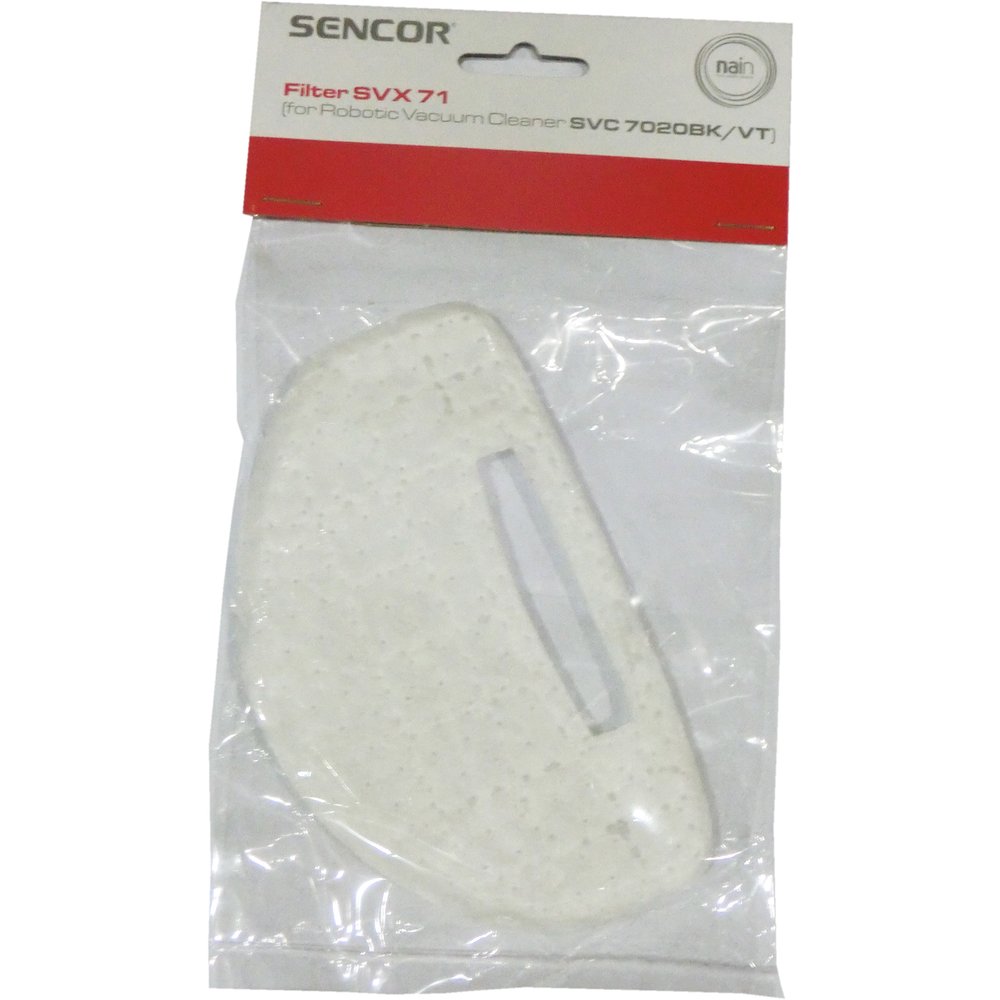
Image: The Sencor SVC SVX 71 Filter. This image displays the filter's design, which is crucial for identifying the correct replacement part and understanding its physical characteristics before installation.
Setup and Installation
- Power Off: Before beginning, ensure your Sencor SVC 7020 vacuum cleaner is unplugged from the power outlet to prevent accidental startup.
- Locate Filter Compartment: Refer to your Sencor SVC 7020 vacuum cleaner's main instruction manual to identify the filter compartment. This is typically located near the dustbin or motor housing.
- Remove Old Filter: Carefully open the filter compartment. Remove the old, used filter. Dispose of the old filter according to local waste disposal regulations.
- Insert New Filter: Place the new Sencor SVC SVX 71 Filter into the compartment. Ensure it is seated correctly and securely, aligning with any guides or clips. Do not force the filter into place.
- Close Compartment: Close the filter compartment cover firmly until it clicks into place, ensuring a tight seal.
- Power On: Plug the vacuum cleaner back into the power outlet.
Proper installation ensures efficient filtration and prevents damage to the vacuum cleaner motor.
Operating Instructions
The Sencor SVC SVX 71 Filter operates passively as part of your Sencor SVC 7020 vacuum cleaner's filtration system. Once correctly installed, it will filter dust and particles from the air passing through the vacuum cleaner. No specific operational steps are required for the filter itself beyond proper installation.
Always ensure the filter is clean and correctly installed before operating the vacuum cleaner to maintain optimal suction power and air quality.
Maintenance
Regular maintenance of your Sencor SVC SVX 71 Filter is crucial for the longevity and performance of your Sencor SVC 7020 vacuum cleaner.
- Inspection: Periodically inspect the filter for visible dirt, dust buildup, or damage. The frequency of inspection depends on usage and the environment.
- Replacement: The Sencor SVC SVX 71 Filter is designed for replacement, not washing. It is recommended to replace the filter every 3 to 6 months, or more frequently if the vacuum cleaner is used heavily or in dusty environments. A decrease in suction power or a noticeable increase in motor noise can indicate a clogged filter requiring replacement.
- Disposal: Dispose of used filters responsibly according to local environmental guidelines.
Troubleshooting
If you encounter issues related to the filter, consider the following:
- Reduced Suction Power: If your vacuum cleaner's suction power decreases, the filter may be clogged. Replace the filter with a new Sencor SVC SVX 71 Filter.
- Unusual Motor Noise: A clogged filter can cause the vacuum cleaner motor to work harder, leading to increased noise. Replace the filter.
- Dust Escaping: If dust is escaping from the vacuum cleaner's exhaust, the filter may be improperly installed or damaged. Check the installation and replace the filter if damaged.
- Filter Not Fitting: Ensure you have the correct filter model (SVX 71) for your Sencor SVC 7020 vacuum cleaner. Do not attempt to force an incorrect filter into place.
If problems persist after following these steps, please contact Sencor customer support.
Specifications
| Feature | Detail |
|---|---|
| Model Number | SVX 71 |
| Compatible Devices | Sencor SVC 7020 Vacuum Cleaner |
| Number of Pieces | 1 |
| Item Weight | 0.32 ounces |
| Package Dimensions | 5.83 x 4.57 x 0.55 inches |
| Manufacturer | Sencor |
| Date First Available | August 23, 2017 |
Warranty and Support
For information regarding warranty coverage, product registration, or technical support, please refer to the documentation provided with your Sencor SVC 7020 vacuum cleaner or visit the official Sencor website.
When contacting support, please have your product model number (SVX 71) and the vacuum cleaner model (SVC 7020) readily available.


