1. Introduction and Overview
This manual provides detailed instructions for the operation and maintenance of the Minolta 16-MG subminiature camera. Introduced in 1966, the Minolta 16-MG is part of the Minolta 16 series of 16mm subminiature cameras produced between 1955 and 1974. Known for its compact size, stylish design, and smooth finish, this camera is a notable piece of photographic history.
The Minolta 16-MG features a 20mm F2.8 Rokkor lens and offers a range of shutter speeds and aperture settings, making it a versatile tool for various photographic situations.

Figure 1.1: The Minolta 16-MG camera alongside its dedicated leather case and a protective plastic bag.
2. What's in the Box
Upon unboxing, verify that all components are present:
- Minolta 16-MG Camera Body
- Leather Case
- Wrist Strap

Figure 2.1: Contents of the Minolta 16-MG package, including the camera and its protective leather case.
3. Setup
3.1. Loading Film
The Minolta 16-MG uses 16mm subminiature film. To load film:
- Locate the film compartment release on the camera body.
- Open the film compartment.
- Insert the 16mm film cartridge, ensuring it is properly seated.
- Close the film compartment securely.
- Set the film speed (ASA) on the camera according to the film being used. The camera supports ASA 25-400.

Figure 3.1: The open film compartment of the Minolta 16-MG, ready for film loading.
3.2. Attaching the Wrist Strap
Attach the provided wrist strap to the designated loop on the camera body for secure handling and to prevent accidental drops.
4. Operating Instructions
4.1. Advancing Film
After each exposure, rotate the film advance wheel to move to the next frame. The camera features a reverse counting film counter with automatic return.
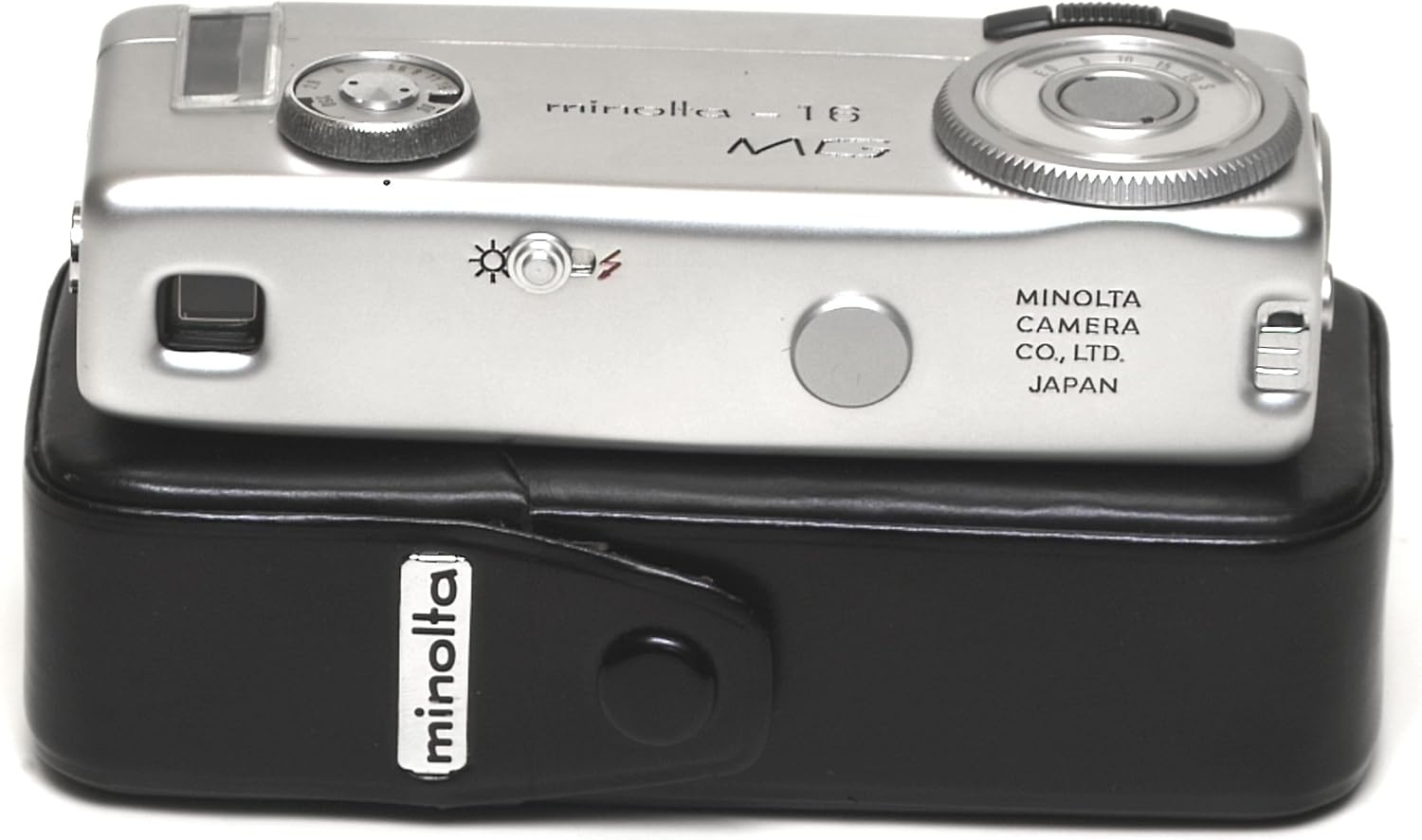
Figure 4.1: Top view of the Minolta 16-MG, highlighting the film advance wheel and shutter button.
4.2. Setting Exposure
The Minolta 16-MG offers manual control over aperture and shutter speed:
- Aperture: Adjust the aperture ring on the lens from f2.8 to f16. This controls the amount of light entering the camera and the depth of field.
- Shutter Speeds: Select shutter speeds ranging from 1/30s to 1/250s. Faster speeds are for bright conditions or freezing motion, while slower speeds are for low light or creating motion blur.
- EV Range: The camera operates within an EV range of 8-16 (for ASA 100 film).
4.3. Using the Viewfinder
Compose your shot using the bright frame viewfinder. It includes parallax correction markings to assist with accurate framing, especially for close-up subjects.

Figure 4.2: Front view of the Minolta 16-MG, showing the lens and viewfinder window.
4.4. Taking a Picture
Once film is loaded, exposure settings are adjusted, and the shot is composed, press the shutter button to take a picture.
4.5. Flash Synchronization
The camera features an X Contact for flash synchronization at 1/30s. Connect a compatible flash unit to this contact for synchronized flash photography.
5. Maintenance
Proper care ensures the longevity and optimal performance of your Minolta 16-MG camera.
- Cleaning the Lens and Viewfinder: Use a soft, lint-free cloth specifically designed for optical surfaces to gently clean the lens and viewfinder. Avoid abrasive materials or harsh chemicals.
- Body Cleaning: Wipe the camera body with a dry, soft cloth to remove dust and fingerprints.
- Storage: When not in use, store the camera in its provided leather case in a cool, dry place away from direct sunlight, extreme temperatures, and high humidity.
- Handling: Always handle the camera with care, avoiding drops or impacts.
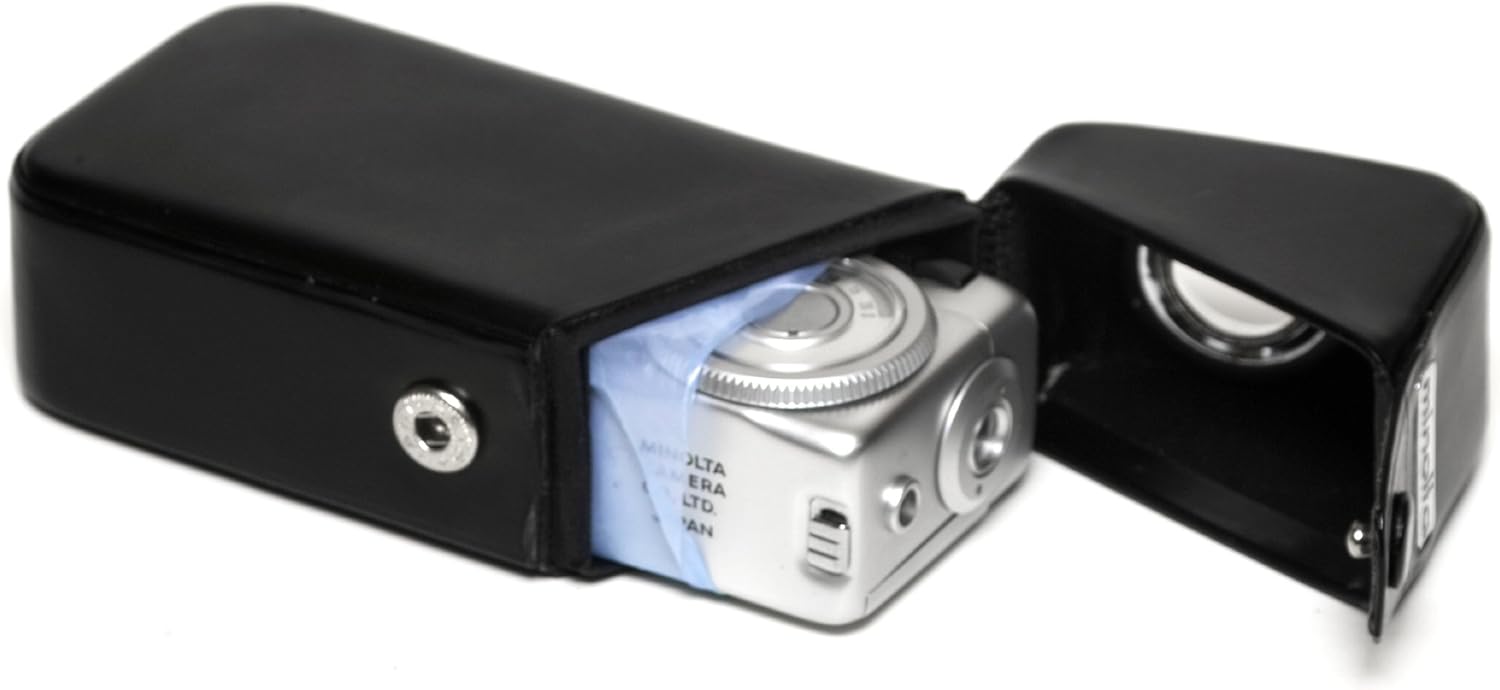
Figure 5.1: Storing the Minolta 16-MG camera in its protective leather case.
6. Troubleshooting
This section addresses common issues you might encounter with your Minolta 16-MG camera.
- Film Not Advancing:
Ensure the film cartridge is correctly loaded and seated. Check if the film advance wheel is fully rotated after each shot.
- No Image on Film (after development):
Verify that the shutter is firing when the button is pressed. Confirm that film was properly loaded and exposed. Check film speed settings.
- Blurry Photos:
Ensure the subject is within the camera's focus range. For slower shutter speeds, use a stable surface or tripod to prevent camera shake. Check aperture settings for desired depth of field.
- Light Leaks or Streaks on Film:
Inspect the film compartment door for proper closure. Ensure the camera body has no visible damage that could allow light ingress.
For issues not covered here, or if problems persist, contact a qualified camera repair technician specializing in vintage cameras.
7. Specifications
| Feature | Detail |
|---|---|
| Model Name | Minolta-16 MG |
| Years of Production | 1966-1971 |
| Lens | 20mm Rokkor, 4 elements in 3 groups |
| Aperture Range | f2.8 - f16 |
| Shutter Speeds | 1/30s - 1/250s |
| EV Range | 8-16 (for ASA 100) |
| Flash Sync | X Contact at 1/30s |
| Film Speed (ASA) | 25-400 |
| Viewfinder | Bright Frame with Parallax Correction Markings |
| Film Advance | Wheel Type - 120 degrees |
| Film Counter | Reverse Counting, automatic return |
| Negative Size | 10x14mm |
| Dimensions (L x H x W) | 102.5 x 24 x 39.5 mm (4" x 1" x 1 1/2") |
| Weight | 156g (5.6oz) |
| Included Components | Camera Body, Leather Case, Wrist Strap |
8. Warranty and Support
As a reconditioned collectible item, specific warranty terms may vary depending on the seller at the time of purchase. Please refer to your purchase documentation for details regarding any applicable warranty or return policy.
For technical support or inquiries regarding the Minolta 16-MG, it is recommended to consult resources dedicated to vintage camera enthusiasts or contact specialized camera repair services. Minolta's official support for this model may be limited due to its vintage status.
You can also visit the Minolta Store on Amazon for general brand information, though direct support for this specific vintage model may not be available there.