1. Product Overview
Mobil Grease 33 is a high-performance, lithium complex grease specifically formulated to meet the stringent requirements of MIL-PRF-23827 specifications. This synthetic aircraft grease is designed for a wide range of industrial and mechanical applications where excellent corrosion prevention, high load-carrying capabilities, and broad temperature performance are critical. It provides superior protection against wear and corrosion, extending component life and reducing maintenance needs.
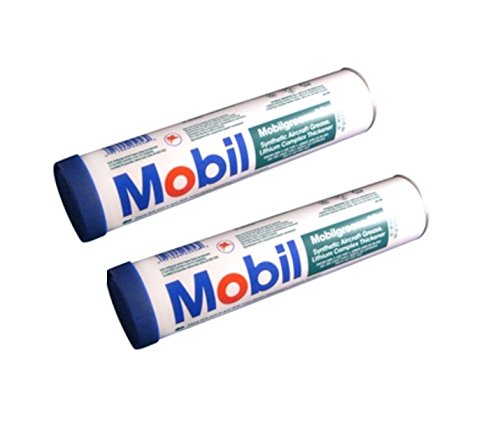
This image displays two 13.7-ounce cartridges of Mobil Grease 33, a synthetic aircraft grease with lithium complex thickener, designed for industrial and mechanical applications.
2. Product Specifications
- Material: Lithium Complex
- Package Information: Cartridge
- Liquid Volume: 13.7 Fluid Ounces per cartridge
- Recommended Uses: Industrial, Mechanical
- Specific Uses: Corrosion Prevention, Lubrication
- Compliance: MIL-PRF-23827
3. Safety Information
Always handle lubricants with care. Adhere to the following safety guidelines:
- Eye Protection: Wear safety glasses or goggles to prevent eye contact.
- Skin Contact: Avoid prolonged or repeated skin contact. Wash thoroughly with soap and water after handling. Use protective gloves if necessary.
- Ingestion: Do not ingest. If swallowed, do not induce vomiting. Seek immediate medical attention.
- Inhalation: Use in a well-ventilated area. Avoid breathing vapors or mists.
- Flammability: Keep away from open flames, sparks, and hot surfaces. Store in a cool, dry place.
- First Aid: Refer to the Safety Data Sheet (SDS) for detailed first aid measures.
4. Storage and Handling
Proper storage and handling ensure product integrity and user safety:
- Storage: Store in original, tightly sealed containers in a cool, dry, well-ventilated area. Protect from direct sunlight and extreme temperatures.
- Temperature: Maintain storage temperatures between 0°C (32°F) and 40°C (104°F).
- Contamination: Prevent contamination with water, dirt, or other foreign substances.
- Handling: Use appropriate personal protective equipment (PPE) as outlined in the Safety Information section.
5. Application Instructions (Operating)
Follow these steps for effective application of Mobil Grease 33:
- Surface Preparation: Ensure the surfaces to be lubricated are clean and free from old grease, dirt, and contaminants. Use a suitable solvent if necessary, and allow to dry completely.
- Loading the Grease Gun: Insert the Mobil Grease 33 cartridge into a compatible grease gun according to the grease gun manufacturer's instructions. Ensure proper priming to avoid air pockets.
- Application: Apply grease directly to the lubrication points. For bearings, apply until a slight bead of fresh grease appears at the seals. For other components, apply a sufficient amount to coat the surfaces thoroughly.
- Avoid Over-Greasing: While adequate lubrication is essential, over-greasing can lead to excessive heat generation and seal damage. Follow equipment manufacturer's recommendations for specific quantities.
- Frequency: Re-apply grease at intervals recommended by the equipment manufacturer or based on operational conditions and inspection results.
6. Maintenance
Regular maintenance practices ensure optimal performance and longevity of lubricated components:
- Inspection: Periodically inspect lubricated components for signs of wear, corrosion, or grease degradation. Look for discoloration, hardening, or leakage of grease.
- Re-lubrication: Re-lubricate components as needed, following the application instructions. The frequency will depend on operating conditions, load, speed, and environmental factors.
- Cleaning: Keep lubrication points clean to prevent contaminants from entering the system during re-greasing.
7. Troubleshooting
Common issues related to lubrication and potential solutions:
- Insufficient Lubrication: If components show signs of wear or increased friction, check if enough grease was applied or if the re-lubrication interval is too long.
- Grease Leakage: Excessive grease leakage can indicate over-greasing, damaged seals, or incorrect grease consistency for the application.
- Contamination: If grease appears discolored or contains foreign particles, the lubrication point may be exposed to contaminants. Ensure proper sealing and clean application procedures.
- Component Overheating: This can be caused by insufficient lubrication, over-greasing, or using the wrong type of grease. Verify application quantity and grease suitability.
8. Disposal Information
Dispose of used grease and empty cartridges responsibly and in accordance with all local, regional, and national regulations. Do not discharge into drains, soil, or watercourses. Contact local authorities for proper disposal methods or recycling options for industrial lubricants.


