
1. Product Overview
The Tru Catch 30FCD Fat Cat Live Animal Trap is designed for the humane capture and release of various small animals, including cats, rabbits, and similar-sized wildlife. This trap is particularly suited for larger cats and is a preferred tool for Trap-Neuter-Return (TNR) projects. It features a durable construction and a design focused on animal safety and user convenience.

Figure 1.1: Main view of the Tru Catch 30FCD Fat Cat Humane Live Animal Trap. This image displays the overall structure of the trap, including the wire mesh body and the front door mechanism.
2. Setup Instructions
The Tru Catch 30FCD trap arrives pre-assembled and ready for use. Follow these steps to prepare the trap for deployment:
- Unpack the Trap: Carefully remove the trap from its packaging. Inspect for any shipping damage.
- Locate the Setting Mechanism: Identify the trigger plate and the door locking mechanism. The trap features a unique, self-locking patented door design.
- Set the Door: Lift the front door and engage the setting rod with the trigger plate. Ensure the door is securely held open. The trap employs a variable trigger setting mechanism, allowing adjustment for different animal weights.
- Bait Placement: Place appropriate bait (e.g., wet cat food, sardines) at the rear of the trap, behind the trigger plate. This encourages the animal to fully enter the trap and step on the trigger.
- Positioning: Place the trap on a flat, stable surface in an area where target animals are known to frequent. For best results, consider covering the trap with a blanket or tarp, leaving the entrance clear, to provide a sense of security for the animal.

Figure 2.1: Front view of the trap, illustrating the open door and the setting mechanism. This shows how the door is propped open before an animal enters.
3. Operating Instructions
Once the trap is set, monitor it regularly. The 30FCD is designed for humane capture, minimizing stress to the animal.
- Monitoring: Check the trap frequently. Do not leave animals trapped for extended periods, especially in extreme weather conditions.
- Approaching a Trapped Animal: Approach the trap calmly and quietly. The convenient carry handle features a handguard to protect you from contact with nervous, trapped animals.
- Transporting: For transport, it is recommended to cover the trap with a blanket or towel to reduce stress on the animal. The trap can be used as an animal carrier for transport to a veterinary clinic for services such as tagging, neutering, or spaying (TNR projects).
- Releasing the Animal:
- Rear Door Release: The trap features a rear door release mechanism. Carefully open the rear door to allow the animal to exit safely.
- Automatic Door Release: The front door can also be released automatically by placing the trap in an upside-down position. Ensure a clear path for the animal to exit.

Figure 3.1: Side view of the trap, showing the overall length and height, which is useful for understanding the space available for the animal and for transport.

Figure 3.2: Back view of the trap, highlighting the rear door mechanism used for safe and controlled animal release.
4. Maintenance
Proper maintenance ensures the longevity and effectiveness of your Tru Catch trap.
- Cleaning: After each use, especially after capturing an animal, clean the trap thoroughly. Use a mild disinfectant and rinse with water. Allow the trap to air dry completely to prevent rust.
- Inspection: Regularly inspect the trap for any signs of wear, damage, or rust. The powder-coated frame is designed for durability, but harsh conditions can affect it over time.
- Lubrication: Occasionally, apply a small amount of non-toxic, animal-safe lubricant to the moving parts of the door and trigger mechanism to ensure smooth operation.
- Storage: Store the trap in a dry, sheltered location when not in use to protect it from the elements.
5. Troubleshooting
If you encounter issues with your Tru Catch 30FCD trap, consider the following:
- Trap Not Triggering:
- Ensure the trigger plate is properly set and not obstructed.
- Adjust the variable trigger setting to be more sensitive if the animal is too light to activate it.
- Check that the bait is placed far enough back to require the animal to step on the trigger plate.
- Animal Escapes:
- Verify that the door mechanism fully engages and locks when triggered.
- Inspect the trap for any bent wires or gaps that an animal could exploit.
- Reluctance to Enter:
- Ensure the trap is clean and free of human scent.
- Try different types of bait.
- Cover the trap with natural materials (leaves, branches) or a blanket to make it appear less intimidating.
6. Specifications
| Brand | Tru Catch Traps |
| Model Number | 30FCD |
| Product Dimensions | 30" L x 12" W x 14" H |
| Item Weight | 13 Pounds |
| Material | Alloy Steel |
| Wire Frame Construction | 3/16" steel wire |
| Wire Mesh | 14 gauge 1/2" x 1" and 1" x 1" |
| Finish | Powder Coated |
| Target Species (Primary) | Cats, Rabbits, Small Animals |
| UPC | 758359000218 |
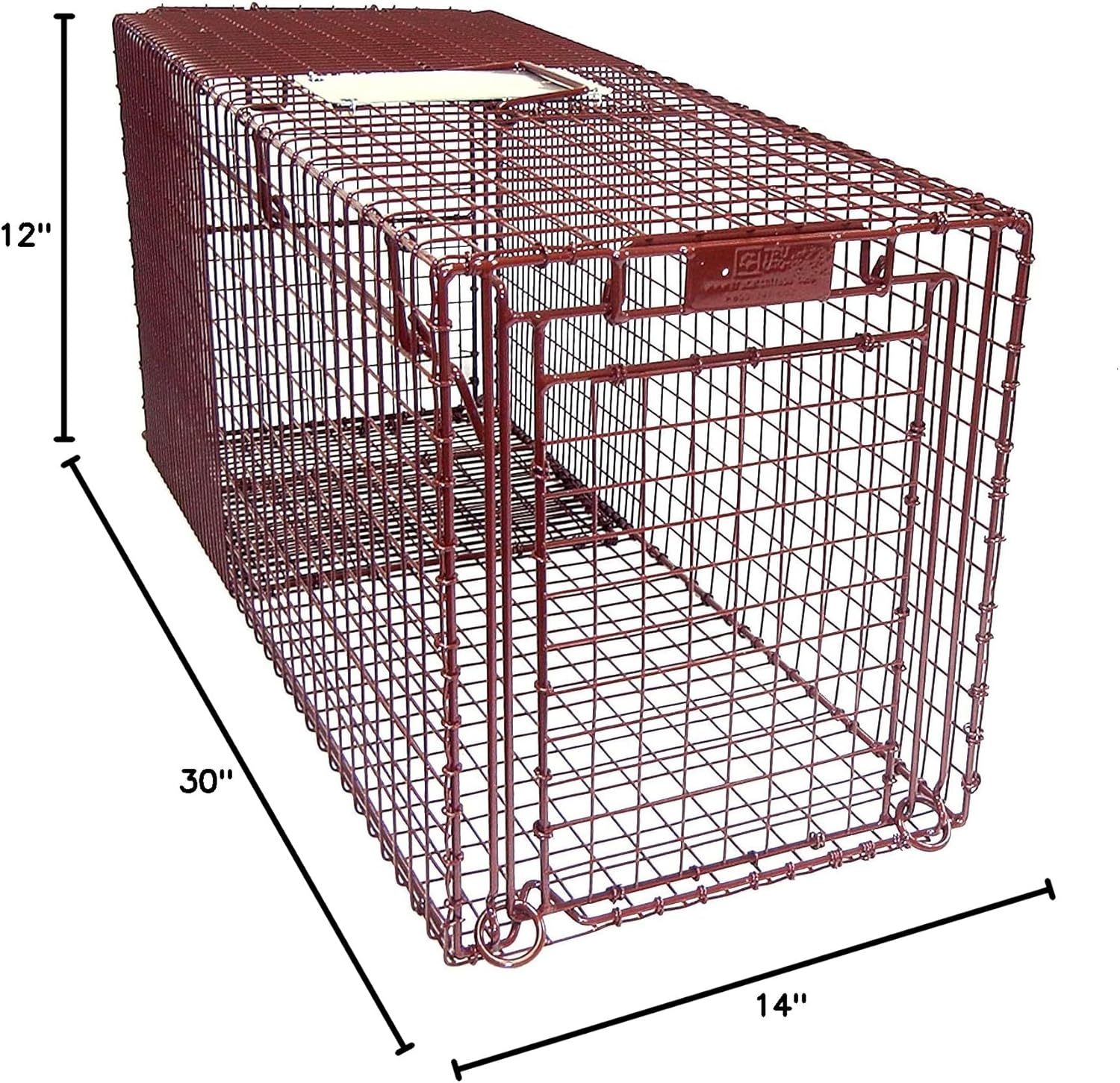
Figure 6.1: Diagram illustrating the dimensions of the Tru Catch 30FCD trap: 30 inches long, 12 inches wide, and 14 inches high.
7. Warranty Information
Tru Catch Traps provides a 5-year limited warranty against animal damage for the 30FCD Fat Cat Live Animal Trap. This warranty covers defects in materials and workmanship under normal use. For specific details regarding warranty claims and coverage, please refer to the official Tru Catch Traps website or contact customer support.
8. Support and Contact
For further assistance, questions, or to report any issues with your Tru Catch 30FCD trap, please contact Tru Catch Traps customer support:
- Website: Visit the official Tru Catch Traps website for FAQs and contact information.
- Email: Refer to your product packaging or the official website for customer service email addresses.
- Phone: Refer to your product packaging or the official website for customer service phone numbers.
When contacting support, please have your model number (30FCD) and purchase information readily available.