
1. Product Overview
The Lutron Maestro MS-OPS6M2N-DV-WH is an advanced occupancy/vacancy sensor switch designed to automatically control lighting in a room. This device utilizes passive infrared (PIR) technology to detect human motion and presence, ensuring lights are only on when needed. It combines the functionality of a standard light switch with an integrated motion sensor, offering convenience and energy savings.
Key Features:
- Passive infrared motion detection with Lutron XCT technology for fine motion sensing.
- 180-degree sensor field-of-view for comprehensive room coverage.
- Requires a neutral wire for installation.
- Occupancy version supports both auto-on/auto-off and manual-on/auto-off modes.
- Vacancy version is available to comply with CA Title 24 requirements.
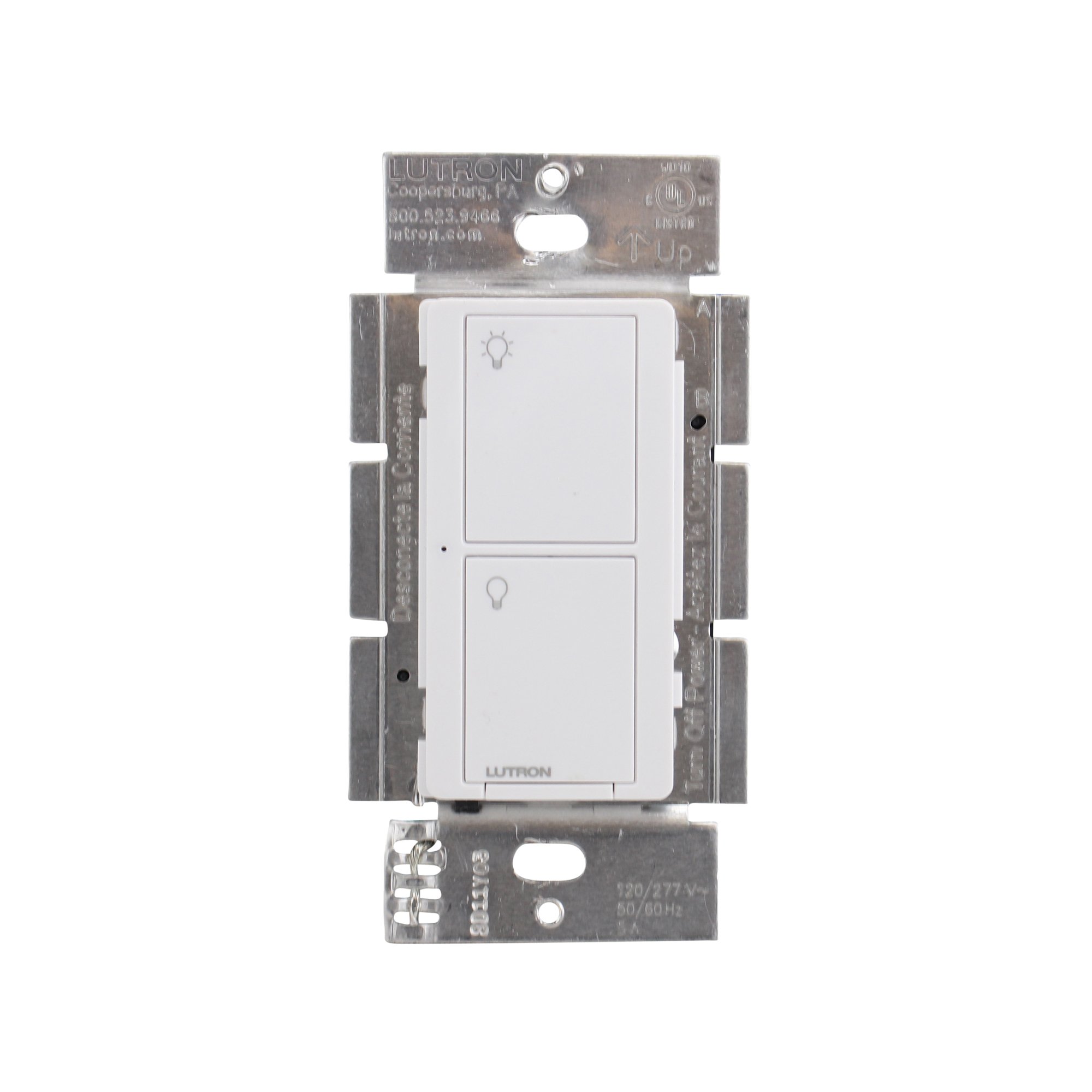
Figure 1: Front view of the Lutron Maestro MS-OPS6M2N-DV-WH sensor switch.
2. Setup and Installation
Important Safety Information: Before beginning installation, turn off power at the circuit breaker or fuse box. Incorrect installation can lead to electrical shock or fire. If you are unsure about any part of these instructions, consult a qualified electrician.
Tools Required: Screwdriver (Phillips and flathead), wire strippers, electrical tape.
2.1 Wiring Instructions
- Turn Off Power: Locate the circuit breaker controlling the switch you are replacing and turn it OFF. Verify power is off using a voltage tester.
- Remove Existing Switch: Carefully remove the wall plate and unscrew the existing switch from the wall box. Disconnect the wires from the old switch.
- Identify Wires:
- Hot (Line) Wire: Typically black, brings power from the circuit breaker.
- Load Wire: Typically black, connects to the light fixture.
- Neutral Wire: Typically white, required for this switch.
- Ground Wire: Typically bare copper or green.
Note: If you are replacing a 3-way switch, you will also have traveler wires. This model supports 3-way circuits. Refer to the detailed wiring diagram for 3-way installations.
- Connect Wires to Maestro Switch:
- Connect the ground wire from the wall box to the green ground wire on the Maestro switch.
- Connect the neutral wire from the wall box to the white neutral wire on the Maestro switch.
- Connect the hot (line) wire and load wire from the wall box to the two black wires on the Maestro switch. If the light does not function correctly, swap these two black wires.
- For 3-way applications, connect the traveler wires as per the specific 3-way wiring diagram provided with the product packaging.
- Secure Switch: Carefully push the wired switch into the wall box, ensuring wires are not pinched. Screw the switch into place.
- Install Wall Plate: Attach the decorative wall plate.
- Restore Power: Turn the power back ON at the circuit breaker.

Figure 2: Example wiring diagram for a single-pole installation. Consult the included manual for 3-way wiring.
3. Operating Instructions
The Maestro sensor switch offers flexible operation modes to suit various needs.
3.1 Modes of Operation
- Occupancy Mode (Auto-On/Auto-Off): In this mode, the lights automatically turn ON when motion is detected and automatically turn OFF after a set time delay when no motion is detected. This is ideal for high-traffic areas where hands-free operation is desired.
- Vacancy Mode (Manual-On/Auto-Off): In this mode, the lights must be manually turned ON by pressing the switch button. They will then automatically turn OFF after a set time delay when no motion is detected. This mode is often used to meet energy codes and provides more control over when lights are initially activated.
3.2 Adjusting Settings
The Maestro sensor switch typically has small buttons or dip switches behind the wall plate for adjusting settings such as:
- Time Delay: How long the lights remain on after the last detected motion (e.g., 1, 5, 15, 30 minutes).
- Sensitivity: The level of motion required to trigger the sensor.
- Operating Mode: Switching between Occupancy (Auto-On) and Vacancy (Manual-On) modes.
Refer to the detailed instructions included with your product for specific steps on how to access and adjust these settings.
4. Maintenance
The Lutron Maestro sensor switch requires minimal maintenance to ensure optimal performance.
- Cleaning: To clean the surface of the switch, use a soft, damp cloth. Do not use abrasive cleaners, solvents, or harsh chemicals, as these can damage the finish or internal components.
- Sensor Obstruction: Ensure the sensor lens is not obstructed by furniture, curtains, or other objects that could block its field of view. A clear path to the sensor is crucial for accurate motion detection.
- Dust Accumulation: Periodically wipe the sensor lens to prevent dust accumulation, which can reduce sensitivity.
5. Troubleshooting
If you encounter issues with your Maestro sensor switch, refer to the following common troubleshooting steps:
- Lights do not turn ON automatically (Occupancy Mode):
- Verify the sensor's field of view is not obstructed.
- Check the sensitivity setting; it might be too low.
- Ensure the switch is in Occupancy (Auto-On) mode.
- Confirm power is supplied to the switch.
- Lights do not turn OFF:
- Ensure there is no continuous motion within the sensor's range.
- Check the time delay setting; it might be set too long.
- Verify the switch is correctly wired, especially the load wire.
- Lights flicker or behave erratically:
- Confirm that a neutral wire is properly connected. This switch requires a neutral wire for stable operation.
- Ensure all wire connections are secure.
- If in a 3-way setup, ensure compatible companion switches are used and wired correctly.
- Switch is unresponsive:
- Turn off power at the circuit breaker for 15 seconds, then restore power. This can reset the switch.
- Check all wiring connections for looseness or incorrect placement.
If these steps do not resolve the issue, contact Lutron customer support for further assistance.
6. Specifications
| Feature | Detail |
|---|---|
| Model Number | MS-OPS6M2N-DV-WH |
| Brand | Lutron |
| Operation Mode | Automatically |
| Contact Type | Normally Open |
| Connector Type | Screw Terminals |
| Terminal | Screw |
| Item Dimensions (L x W x H) | 2.2 x 2.2 x 4.5 inches |
| Circuit Type | 3-way |
| Actuator Type | Push Button |
| Contact Material | Copper |
| International Protection Rating | IP54 |
| Control Method | Touch |
| Connectivity Protocol | Infrared |
| Color | White |
| Item Weight | 3.52 ounces |
| Neutral Wire Required | Yes |
7. Product Videos
7.1 Lutron Maestro Sensor Switch Overview
Video 1: An overview of the Lutron Maestro sensor switch features and benefits. This video provides a general introduction to the product's capabilities.
7.2 Advanced Features and Configuration
Video 2: A detailed look into the advanced features and configuration options of the Lutron Maestro sensor switch, including setting adjustments.
8. Warranty Information
Lutron products typically come with a limited warranty covering defects in materials and workmanship. For specific warranty terms and conditions applicable to your MS-OPS6M2N-DV-WH sensor switch, please refer to the warranty card included in the product packaging or visit the official Lutron website. Keep your proof of purchase for warranty claims.
9. Customer Support
For technical assistance, troubleshooting, or product inquiries, please contact Lutron customer support. You can find contact information on the official Lutron website or within the product documentation.
Online Resources:
- Visit the official Lutron Store on Amazon for more products and information.
- Refer to the comprehensive FAQs and support documents available on the Lutron corporate website.


