
1. Introduction and Overview
This manual is a reproduction of the original 1976 Pontiac Firebird and Trans Am factory assembly instruction manual. It serves as an indispensable resource for anyone involved in the restoration, repair, or maintenance of these classic vehicles. The manual provides detailed, step-by-step instructions and diagrams that were used on the assembly line, ensuring accuracy and authenticity in your work.
It covers various models including the Firebird 2-door Coupe, Formula Coupe, Esprit Coupe, and Trans Am Coupe from the 1976 model year. Understanding the original assembly process is crucial for correct disassembly, reassembly, and troubleshooting.
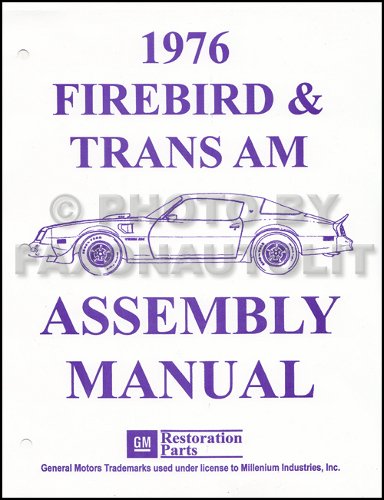
Image 1: Front cover of the 1976 Pontiac Firebird & Trans Am Factory Assembly Instruction Manual. This image displays the title and a classic Firebird logo, indicating the manual's focus on authentic factory procedures.
2. Setup and Using the Manual for Assembly
To effectively use this assembly manual, ensure you have a clean, well-lit workspace. Organize any tools and parts required for your specific task before consulting the manual. The manual is structured to guide you through the vehicle's assembly process as it was performed at the factory.
- Locating Information: Use the index or section dividers to find the relevant assembly area (e.g., chassis, body, engine, electrical).
- Interpreting Diagrams: Pay close attention to exploded views and detailed illustrations. These diagrams often include part numbers, torque specifications, and assembly sequences.
- Following Steps: Each section typically breaks down the assembly into logical, sequential steps. Read through an entire step before beginning the physical work.
- Cross-referencing: Some instructions may refer to other sections or specific component manuals. Ensure you have all necessary references at hand.
This manual is designed to be a primary reference for accurate and period-correct assembly. It is not a general repair manual, but rather a guide to how the vehicle was originally put together.
3. Operating (Navigating the Manual)
Navigating this assembly manual efficiently will enhance your project workflow. The manual is divided into various sections, each dedicated to a specific part or system of the vehicle.
- Section Organization: Sections are typically organized by major vehicle components (e.g., Frame, Front Suspension, Engine, Exhaust, Body, Electrical).
- Page Numbering: Pages are usually numbered within each section (e.g., 1-1, 1-2 for Section 1).
- Diagram Keys: Look for keys or legends that explain symbols, abbreviations, and part numbering conventions used in the diagrams.
- Updates and Revisions: While this is a reproduction of a factory manual, be aware that original manuals sometimes had addendums or revisions. Consult specialized forums or resources for any known updates relevant to your specific vehicle.
Always ensure you are referencing the correct page and diagram for the specific component or assembly you are working on.
4. Maintenance of the Manual
To ensure the longevity and readability of your assembly instruction manual, proper care and maintenance are recommended.
- Storage: Store the manual in a dry, cool place away from direct sunlight and excessive humidity. A bookshelf or cabinet is ideal.
- Handling: Handle the pages carefully to prevent tearing. Avoid folding or creasing pages unnecessarily.
- Cleanliness: Keep the manual away from grease, oil, and other workshop contaminants. Consider using a clear plastic cover or gloves when referencing it during messy tasks.
- Protection: If the manual is loose-leaf, ensure it is kept in a sturdy binder to prevent page loss or damage.
Proper maintenance will preserve the manual's condition, making it a valuable resource for years to come.
5. Troubleshooting (Information Access)
While this manual is comprehensive, you may encounter situations where information seems unclear or difficult to locate. Here are some troubleshooting tips:
- Unclear Diagrams: If a diagram is difficult to interpret, try cross-referencing with other diagrams in related sections or consulting period-correct photographs of the vehicle.
- Missing Information: In rare cases, specific details might be omitted or assumed knowledge. Consult specialized Pontiac Firebird/Trans Am owner forums or enthusiast groups for community insights.
- Page Damage: If pages are damaged or unreadable, consider contacting the publisher for a replacement or consulting a digital version if available.
- Incorrect Model Year: Double-check that you are using the correct manual for your specific 1976 model year and trim level, as minor variations can occur.
Patience and thorough investigation are key when working with historical documentation.
6. Specifications
This section outlines key specifications related to the manual itself.
| Specification | Detail |
|---|---|
| ASIN | B00HL09652 |
| Publisher | GM PONTIAC FIREBIRD TRANS AM |
| Publication Date | January 1, 2009 |
| Language | English |
| Print Length | 418 pages |
These details confirm the edition and format of the manual you possess.
7. Warranty and Return Policy
This product is a printed manual. While it does not come with a traditional product warranty for operational performance, it is subject to standard retail return policies.
- Return Duration: Typically, returns for this item are accepted within 30 days of purchase.
- Return Type: Eligible for refund or replacement if the item is defective or not as described.
- Condition: The item must generally be returned in its original condition.
For specific return procedures, please refer to the retailer's return policy where the manual was purchased.
8. Support
For further assistance regarding the content or specific details within this manual, consider the following resources:
- Publisher: Contact the publisher, GM PONTIAC FIREBIRD TRANS AM, for inquiries about the manual's content or potential errata.
- Online Forums: Engage with online communities and forums dedicated to 1976 Pontiac Firebird and Trans Am models. Experienced enthusiasts can often provide clarification or additional context.
- Specialty Bookstores: Consult automotive specialty bookstores or historical archives for supplementary documentation or related manuals.
Always verify information from multiple sources when undertaking critical restoration or repair tasks.


