
1. Introduction
This manual provides comprehensive instructions for the installation, operation, and maintenance of the Sargent 2870-11G05 LL 26D Cylindrical Lock. This Grade 1 cylindrical lever lock is designed for entry and office applications, featuring an LL design and SFIC prep, finished in satin chrome. Please read this manual thoroughly before installation and use to ensure proper function and safety.
2. Safety Information
- Always wear appropriate personal protective equipment (PPE) during installation, such as safety glasses and gloves.
- Ensure all tools are in good working condition before use.
- Do not modify the lock components. Unauthorized modifications can compromise security and void the warranty.
- Keep small parts away from children to prevent choking hazards.
- If you encounter any difficulties or are unsure about any step, consult a qualified locksmith or contact Sargent customer support.
3. Package Contents
Verify that all components are present before beginning installation:
- Sargent 2870-11G05 LL 26D Cylindrical Lock Assembly (less core)
- Mounting Hardware (screws, bolts)
- Installation Template (if included)
- Instruction Manual
Note: This lock is supplied 'less core', meaning the cylinder core must be purchased separately and installed.
4. Setup and Installation
Proper installation is crucial for the security and functionality of your lock. Follow these general steps. Refer to the included installation template for precise measurements and drilling instructions.
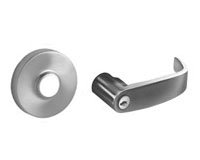
This image displays the primary components of the Sargent 2870-11G05 LL 26D Cylindrical Lock, including the circular rose plate and the curved lever handle with a keyway.
- Door Preparation: Ensure the door is properly prepared with the correct bore holes and backset according to the provided template.
- Install Latch Bolt: Insert the latch bolt into the edge bore hole and secure it with screws. Ensure the bevel of the latch faces the door frame.
- Install Outside Lever Assembly: Insert the outside lever assembly through the door, ensuring the spindle engages with the latch mechanism.
- Install Inside Lever Assembly: Place the inside lever assembly over the spindle and secure it to the outside assembly using the through-bolts. Tighten screws evenly to prevent binding.
- Install Cylinder Core (SFIC Prep): If not already installed, insert the Small Format Interchangeable Core (SFIC) into the lever assembly according to the core manufacturer's instructions.
- Test Operation: Before closing the door, test the latching mechanism and key operation from both sides. Ensure the lever operates smoothly and the key locks/unlocks the mechanism correctly.
- Install Strike Plate: Mount the strike plate on the door frame, aligning it with the latch bolt. Ensure the door closes and latches securely without excessive force.
5. Operating Instructions
The Sargent 2870-11G05 LL 26D Cylindrical Lock is designed for straightforward operation:
- To Open from Outside (Unlocked): Depress the lever handle.
- To Open from Outside (Locked): Insert the correct key into the cylinder, turn to unlock, then depress the lever handle.
- To Open from Inside: Depress the lever handle. (This is typically a free egress function for safety).
- To Lock from Outside: Insert the key and turn to engage the locking mechanism. Remove the key.
- To Lock from Inside: Depending on the specific function (e.g., entry vs. office), there may be a push-button or turn-button on the inside lever to lock the outside lever. Refer to the specific function details for your lock.
6. Maintenance
Regular maintenance ensures the longevity and smooth operation of your lock:
- Cleaning: Clean the exterior surfaces with a soft, damp cloth. Avoid abrasive cleaners or solvents, which can damage the finish.
- Lubrication: Periodically apply a small amount of graphite-based lubricant or a silicone-free lock lubricant into the keyway. Do not use oil-based lubricants, as they can attract dust and debris.
- Check Fasteners: Periodically check all mounting screws and bolts for tightness. Loose fasteners can lead to excessive wear or malfunction.
- Inspect for Wear: Examine the latch bolt, levers, and strike plate for signs of wear or damage. Replace worn components as necessary.
7. Troubleshooting
If you encounter issues with your lock, try these common troubleshooting steps:
- Lever is Stiff or Binding:
- Check if mounting screws are overtightened. Loosen slightly and re-test.
- Ensure the latch bolt is properly aligned with the strike plate.
- Apply lubricant to the latch mechanism and keyway.
- Key Does Not Turn or Is Difficult to Insert:
- Ensure you are using the correct key.
- Check for debris in the keyway. Use compressed air to clear if necessary.
- Apply graphite lubricant to the keyway.
- If using an SFIC, ensure it is fully seated and correctly installed.
- Door Does Not Latch Securely:
- Verify the strike plate is correctly aligned with the latch bolt. Adjust if needed.
- Check for any obstructions in the door frame or strike plate opening.
- Lever is Loose:
- Tighten the mounting screws that secure the lever assemblies. Do not overtighten.
If these steps do not resolve the issue, contact Sargent customer support or a professional locksmith.
8. Specifications
| Feature | Specification |
|---|---|
| Model Number | 2870-11G05 LL 26D |
| Product Type | Cylindrical Lever Lock |
| Application | Entry/Office |
| Grade | Grade 1 |
| Lever Design | LL Design |
| Cylinder Prep | SFIC Prep (Less Core) |
| Finish | Satin Chrome (26D) |
| Product Dimensions | 8.25 x 7.13 x 4.25 inches |
| Item Weight | 4.2 Pounds |
| Manufacturer | Sargent |
| ASIN | B00G6CCO6E |
9. Warranty and Support
For specific warranty information regarding your Sargent 2870-11G05 LL 26D Cylindrical Lock, please refer to the warranty documentation included with your purchase or visit the official Sargent website. Sargent stands behind the quality of its products.
If you require technical assistance, have questions about installation, or need to report a defect, please contact Sargent customer support directly. Contact information can typically be found on the manufacturer's website or on the product packaging.


