
Introduction
The Continental ContiProContact is a premium, all-season touring tire designed for passenger cars and crossovers. It offers balanced year-round comfort and performance. This tire incorporates advanced technologies such as ContiSilent and ContiSeal, which contribute to a quieter ride and enhanced safety through automatic puncture sealing.
Key Features:
- Up to 80,000-mile limited treadwear coverage.
- Specifically tuned for original equipment applications to ensure precise fit and performance.
- Enhanced traction in wet, dry, and light snowy conditions for reliable year-round driving.
- Designed for a smooth, comfortable ride with minimal road vibrations.
- Advanced tread pattern reduces road noise for a quieter, more enjoyable driving experience.

Figure 1: Overall view of the Continental ContiProContact Radial Tire.
Setup and Installation
Proper installation is crucial for tire performance and safety. It is highly recommended that tire installation and balancing be performed by a certified professional using appropriate equipment.
Pre-Installation Checks:
- Ensure the tire size and load index match your vehicle's specifications as recommended by the vehicle manufacturer.
- Inspect the tire for any visible damage or defects prior to mounting.
- Verify that the wheel rim is clean, free from damage, and compatible with the tire.
Mounting and Balancing:
Tires should be mounted using proper tire mounting equipment to prevent damage to the tire bead or rim. After mounting, dynamic balancing is essential to ensure smooth operation and prevent premature wear. Use appropriate wheel weights as needed.

Figure 2: Front view of the tire, showing tread pattern.
Operating Guidelines
Adhering to proper operating guidelines will maximize the lifespan and performance of your Continental ContiProContact tires.
Tire Pressure:
Maintain correct tire inflation pressure as specified by your vehicle manufacturer, typically found on a placard in the door jamb, glove compartment, or owner's manual. Check tire pressure regularly, at least once a month and before long trips, when tires are cold. Under-inflation or over-inflation can lead to uneven wear, reduced fuel efficiency, and compromised handling.
Driving Conditions:
These all-season tires provide reliable traction in wet, dry, and light snowy conditions. While designed for year-round use, extreme winter conditions (heavy snow, ice) may require dedicated winter tires for optimal safety.

Figure 3: Side view of the tire, highlighting the sidewall design.
Maintenance
Regular maintenance extends tire life and ensures consistent performance.
Tire Rotation:
Rotate your tires every 5,000 to 7,500 miles, or as recommended by your vehicle manufacturer, to promote even wear across all four tires. This helps to maximize tread life and maintain balanced handling.
Tread Depth Inspection:
Regularly check tread depth using a tread depth gauge or by observing the built-in tread wear indicators. When the tread wears down to the level of these indicators (typically 2/32 inch), the tire should be replaced.
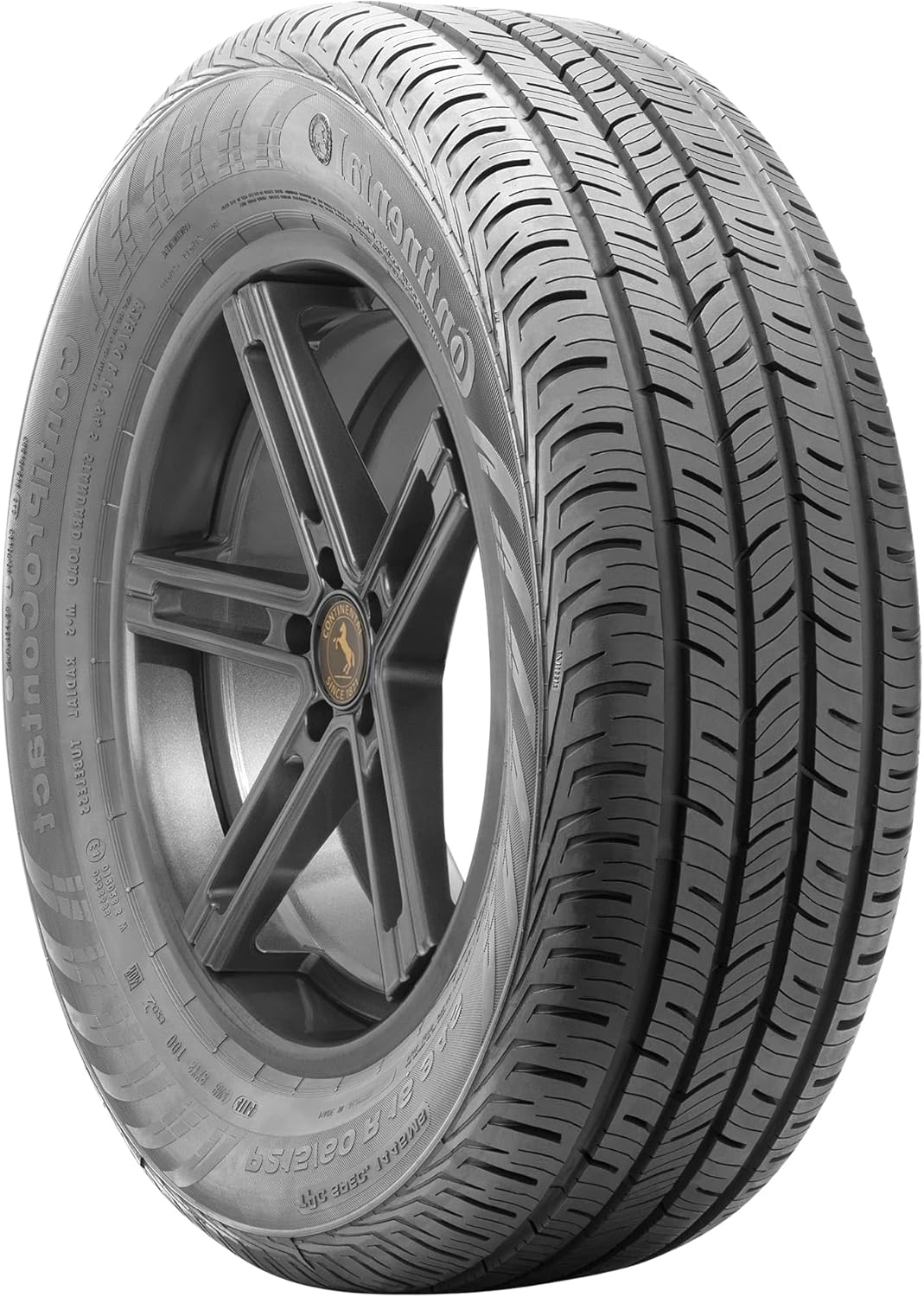
Figure 4: Close-up view of the tire tread, showing the pattern designed for enhanced traction.
Visual Inspection:
Periodically inspect tires for signs of damage, such as cuts, cracks, bulges, or punctures. Any significant damage should be addressed immediately by a tire professional.

Figure 5: Illustration highlighting the low road noise feature of the tire.
Troubleshooting
This section addresses common issues you might encounter with your tires.
Uneven Tread Wear:
- Center Wear: Often indicates over-inflation. Adjust tire pressure to vehicle manufacturer's recommendations.
- Shoulder Wear: Typically indicates under-inflation. Adjust tire pressure to vehicle manufacturer's recommendations.
- One-Sided Wear: May indicate an alignment issue or worn suspension components. Have your vehicle's alignment checked by a professional.
Vibrations or Noise:
If you experience unusual vibrations or increased road noise, it could be due to unbalanced tires, misaligned wheels, or tire damage. Have your tires and vehicle suspension inspected by a professional.
Punctures:
The ContiProContact tire features ContiSeal Technology, which automatically seals punctures up to 5mm in diameter in the tread area. However, it is crucial to have any tire that has experienced a puncture inspected by a tire professional to determine if it can be safely repaired or if replacement is necessary.

Figure 6: Diagram illustrating the ContiSeal technology for automatic puncture sealing.
Specifications
| Attribute | Value |
|---|---|
| Brand | Continental |
| Model | ContiProContact |
| Size | 175/65R15 84H |
| Section Width | 175 Millimeters |
| Load Capacity | 1102 Pounds |
| Tread Depth | 9 32nds |
| Tread Type | Non-Directional |
| Maximum Pressure | 51 Pound per Square Inch |
| Rim Width | 5 Inches |
| Tire Diameter | 24 Inches |
| Item Weight | 14.9 Pounds |
| Automotive Fit Type | Universal Fit |
| UPC | 051342092543 |
| Construction Type | Radial |
| OEM Part Number | 3526250000 |
| Manufacturer Part Number | 3526250000 |
| Seasons | Year Round |
Warranty and Support
Warranty Information:
The Continental ContiProContact Radial Tire comes with a limited treadwear coverage of up to 80,000 miles. For detailed warranty terms and conditions, including specific coverage for defects in material and workmanship, please refer to the official Continental tire warranty documentation provided at the time of purchase or visit the manufacturer's website.
A 30-day return policy is typically offered by sellers for new, unused products, but specific return conditions may vary by retailer.
Customer Support:
For further assistance, technical inquiries, or warranty claims, please contact Continental customer service or visit their official website. You can also visit the Continental Store on Amazon for more product information and resources.
Video 1: Continental ContiProContact Overview. This video provides a brief overview of the tire's features, including all-weather traction, fuel efficiency, and reduced road noise.