
Eagle 37-13539-AM
AC Air Conditioning Receiver Drier
Instruction Manual
Model: 37-13539-AM | Replaces Kenworth OEM Part Number K251-571
1. Product Overview
The Eagle AC Air Conditioning Receiver Drier is a critical component in your vehicle's air conditioning system. Its primary function is to remove moisture and filter out debris from the refrigerant, ensuring the longevity and efficient operation of the AC system. This part is designed as a direct replacement for Kenworth OEM Part Number K251-571, ensuring compatibility and reliable performance.

Image 1: Full view of the Eagle AC Air Conditioning Receiver Drier. This cylindrical component is black with connection ports at the top, designed to fit into the vehicle's AC system.
A properly functioning receiver drier is essential for preventing corrosion and damage to other expensive AC components, such as the compressor and expansion valve, by maintaining the purity of the refrigerant.
2. Safety Information
Working with automotive air conditioning systems involves high pressures and specialized refrigerants. Always prioritize safety to prevent injury or damage.
- Personal Protective Equipment: Always wear appropriate personal protective equipment, including safety glasses or goggles and gloves, when handling refrigerant or working on the AC system.
- Refrigerant Handling: Refrigerants can cause frostbite upon contact with skin or eyes. They are also harmful if inhaled. Ensure proper ventilation and avoid direct contact.
- High Pressure: AC systems operate under high pressure. Never attempt to disconnect lines or components without first safely discharging the system.
- Professional Installation Recommended: Due to the specialized tools and knowledge required for AC system service, professional installation by a certified technician is highly recommended. Improper installation can lead to system failure, refrigerant leaks, or personal injury.
- Flammable Refrigerants: Be aware of the type of refrigerant used in your vehicle. Some refrigerants are flammable. Avoid open flames or sparks near the AC system.
3. Installation
Installation of the AC receiver drier should be performed by a qualified automotive technician. The following steps are a general guide and may vary based on vehicle make and model.
- System Discharge: The AC system must be completely discharged of refrigerant using a certified recovery machine. Never vent refrigerant into the atmosphere.
- Locate and Remove Old Drier: Identify the existing receiver drier. It is typically located in the high-pressure side of the AC system, often near the condenser. Disconnect the refrigerant lines connected to the drier. Be prepared for residual refrigerant or oil.
- Install New Drier: Carefully remove the protective caps from the new Eagle receiver drier. Install the new drier, ensuring all O-rings are properly seated and lubricated with appropriate PAG or POE oil. Connect the refrigerant lines securely.
- Evacuate System: After installation, the AC system must be evacuated using a vacuum pump to remove all air and moisture. This step is crucial for system performance and longevity. A deep vacuum should be held for a specified period to ensure complete dehydration.
- Recharge System: Once the system holds a vacuum, it can be recharged with the correct type and amount of refrigerant and lubricant as specified by the vehicle manufacturer.
- Leak Test: After recharging, perform a thorough leak test using an electronic leak detector or UV dye to ensure there are no refrigerant leaks.
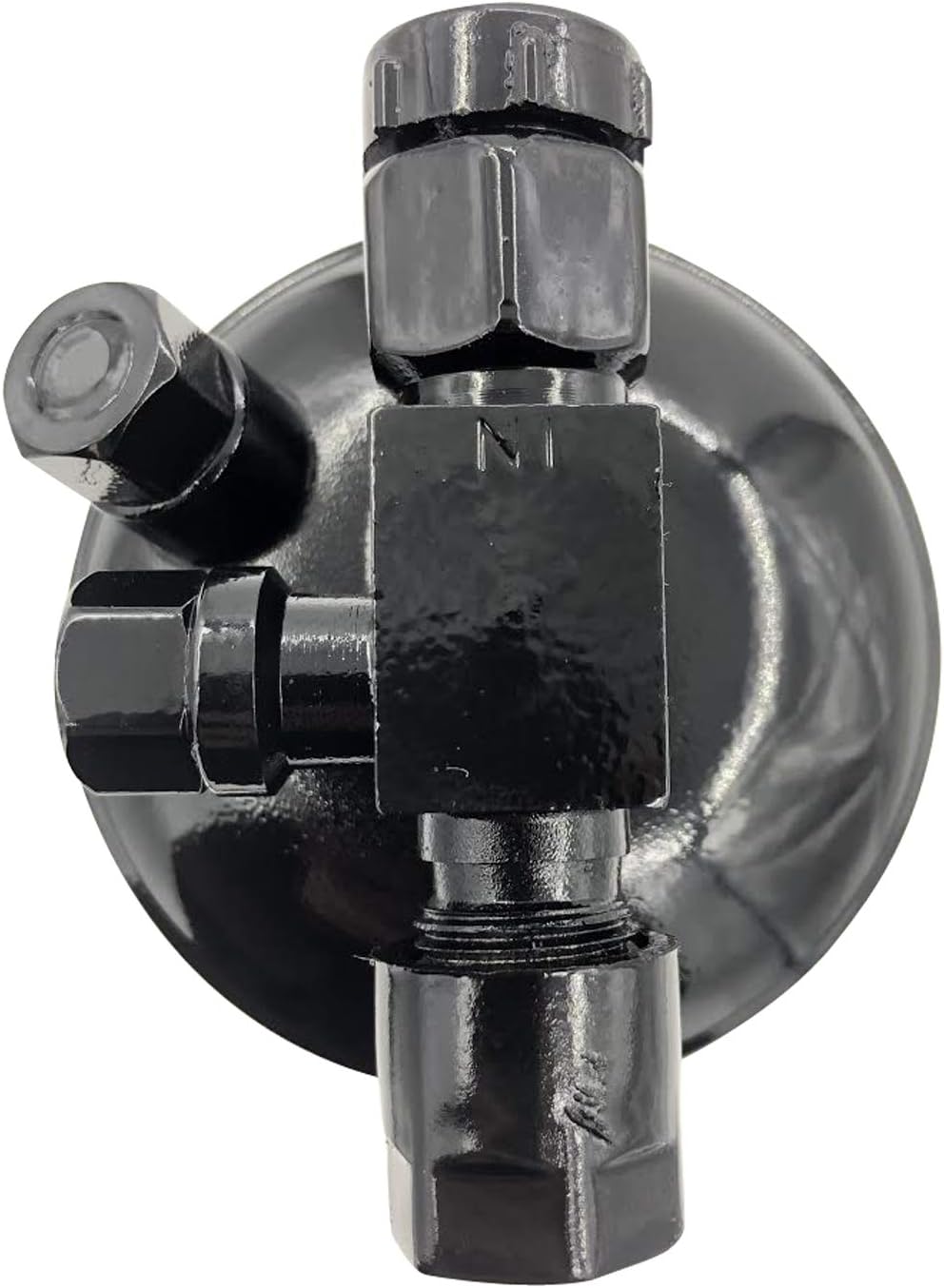
Image 2: Top view showing the connection ports of the Eagle AC Air Conditioning Receiver Drier. These ports are designed for secure attachment of refrigerant lines.
4. Operating
The receiver drier is a passive component that functions continuously as part of the AC system. Once properly installed and the AC system is recharged, no specific operational steps are required for the drier itself. The vehicle's AC system will operate normally, with the drier performing its essential functions of moisture absorption and filtration.
5. Maintenance
The receiver drier is a wear item and should be replaced periodically to ensure optimal AC system performance and prevent costly damage. It is generally recommended to replace the receiver drier:
- Whenever the AC system is opened for service (e.g., compressor replacement, condenser replacement).
- After any significant leak or contamination event in the AC system.
- As part of routine AC system maintenance, typically every 3-5 years, depending on vehicle usage and manufacturer recommendations.
Regular inspection of AC components for leaks or signs of wear is also advised.

Image 3: Side view of the Eagle AC Air Conditioning Receiver Drier, illustrating its cylindrical shape and overall dimensions for fitment.
6. Troubleshooting
A failing receiver drier can lead to various issues within the AC system. If you experience any of the following symptoms, it may indicate a problem with the drier or another AC component:
- Poor Cooling Performance: Reduced cooling capacity or intermittent cooling.
- Compressor Cycling Issues: Compressor cycling on and off too frequently or not engaging at all.
- Unusual Noises: Hissing or gurgling sounds from the AC system.
- Visible Moisture: Signs of moisture or corrosion in the sight glass (if equipped) or around AC components.
If you suspect a problem with your AC system, it is best to consult a professional automotive technician for diagnosis and repair. Attempting to troubleshoot or repair complex AC issues without proper training and equipment can be dangerous and may cause further damage.
7. Specifications
| Attribute | Value |
|---|---|
| Brand | Eagle |
| Model Number | 37-13539-AM |
| OEM Part Number Replaced | K251-571 |
| ASIN | B00DYYHSBI |
| Date First Available | August 7, 2016 |
8. Warranty and Support
For information regarding product warranty, returns, or technical support, please refer to the specific terms and conditions provided by your retailer or contact the manufacturer directly. Keep your purchase receipt as proof of purchase for any warranty claims.
Ask a question about this manual
Ask about setup, troubleshooting, compatibility, parts, safety, or missing instructions. Manuals+ will review the question and use this page’s manual context to help answer it.