1. Product Overview
This manual provides essential information for the safe and efficient operation, maintenance, and troubleshooting of your Kawasaki FX691V-S00 22hp Twin Cylinder Vertical Engine. This engine is designed for various outdoor power equipment applications, featuring a robust design and reliable performance.
Key Features:
- Engine Model: FX691V-ES00S
- Horsepower: 22.0 hp
- Displacement: 726cc
- Starter Type: Electric Shift Starter
- Crankshaft Orientation: Vertical
- Features: OHV (Overhead Valve) design, Fuel Pump, Oil Cooler, Snorkel Air Cleaner
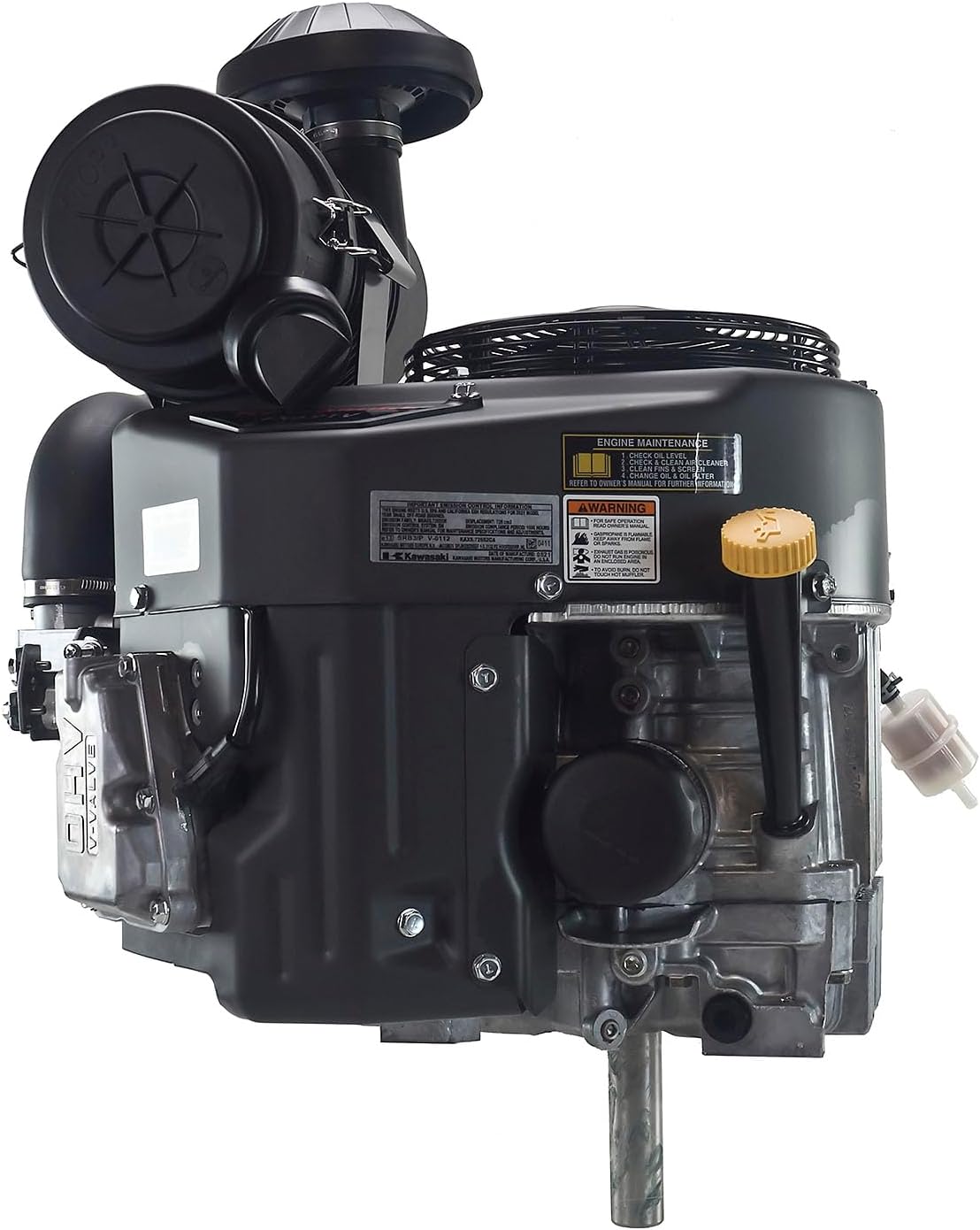
Figure 1: Side view of the Kawasaki FX691V-S00 engine, showing the air cleaner assembly and oil fill cap.
2. Setup and Installation
Proper installation is crucial for the safe and efficient operation of your engine. Consult the equipment manufacturer's manual for specific installation instructions. Ensure all connections are secure and fluids are at appropriate levels before initial startup.
Initial Checks:
- Mounting: Securely mount the engine to the equipment frame using appropriate hardware. Ensure proper alignment with the driven component.
- Fuel System: Connect the fuel lines from the fuel tank to the engine's fuel pump and carburetor. Verify there are no leaks. Use fresh, clean gasoline.
- Oil Level: Fill the engine crankcase with the recommended type and amount of engine oil. Check the oil level using the dipstick. Do not overfill.
- Electrical Connections: Connect the battery to the electric starter system. Ensure all wiring is correctly routed and secured, and connections are tight.
- Air Filter: Verify the snorkel air cleaner assembly is properly installed and sealed.

Figure 2: Rear view of the engine, highlighting the OHV covers and fuel system components.
3. Operating Instructions
Always read and understand the safety precautions before operating the engine. Ensure the equipment is in a well-ventilated area and clear of obstructions.
Starting the Engine:
- Fuel Valve: Open the fuel valve (if equipped).
- Choke: Move the choke lever to the "CHOKE" position for cold starts. For warm starts, the choke may not be necessary.
- Throttle: Set the throttle lever to the "FAST" or "START" position.
- Ignition: Turn the ignition key to the "START" position. Release the key once the engine starts. Do not crank for more than 5 seconds at a time.
- Warm-up: Once the engine starts, gradually move the choke lever to the "RUN" position as the engine warms up. Allow the engine to warm up for a few minutes before applying load.
Stopping the Engine:
- Throttle: Reduce the engine speed to idle.
- Ignition: Turn the ignition key to the "OFF" position.
- Fuel Valve: Close the fuel valve (if equipped) for storage or extended periods of non-use.
4. Maintenance
Regular maintenance is essential for prolonging the life and ensuring the reliable performance of your Kawasaki engine. Always perform maintenance with the engine off and cool, and disconnect the spark plug wire to prevent accidental starting.
Maintenance Schedule (General Guidelines):
- Before Each Use: Check engine oil level. Inspect air cleaner for debris.
- Every 25 Hours or Annually: Change engine oil. Clean or replace air filter elements (especially the snorkel air cleaner). Inspect spark plugs.
- Every 50 Hours or Annually: Inspect fuel filter and fuel lines. Clean cooling fins.
- Every 100 Hours or Annually: Replace spark plugs. Adjust valve clearance (consult a qualified technician).
Specific Maintenance Points:
- Oil Cooler: Ensure the oil cooler is free from debris to maintain optimal engine temperature.
- Snorkel Air Cleaner: The snorkel design helps protect the engine in dusty conditions. Regularly inspect and clean or replace the air filter elements as per the schedule.
- Fuel Pump: Periodically check fuel lines connected to the fuel pump for cracks or leaks.

Figure 3: Front view of the engine, illustrating the cooling fan and air intake system.
5. Troubleshooting
This section provides basic troubleshooting steps for common engine issues. For complex problems, consult a qualified Kawasaki service technician.
| Problem | Possible Cause | Solution |
|---|---|---|
| Engine Fails to Start |
|
|
| Engine Runs Poorly / Lacks Power |
|
|
| Excessive Smoke |
|
|
6. Specifications
Detailed technical specifications for the Kawasaki FX691V-S00 engine.
- Model Number: FX691V-S00 (also FX691V-ES00S)
- Horsepower: 22.0 hp
- Displacement: 726cc
- Cylinders: Twin Cylinder
- Valve Type: OHV (Overhead Valve)
- Crankshaft Orientation: Vertical
- Shaft Dimensions: 1 1/8" x 4-5/16" Keyed Shaft
- Starting System: Electric Start (Electric Shift Starter)
- Fuel Delivery: Fuel Pump
- Cooling System: Air Cooled with Oil Cooler
- Air Filtration: Snorkel Air Cleaner
- Charging System: 15 Amp
- Batteries Required: No (refers to engine operation, external battery required for electric start)

Figure 4: Detail of the vertical keyed shaft, crucial for power transmission.
7. Warranty and Support
For warranty information, technical support, or to locate an authorized service dealer, please contact Kawasaki directly or visit their official website. Always provide your engine model and serial number when seeking assistance.
Official Kawasaki Website: Visit the Kawasaki Store on Amazon (for product information and parts)
Proposition 65 Warning: This product may contain chemicals known to the State of California to cause cancer and birth defects or other reproductive harm. For more information, go to www.P65Warnings.ca.gov.


