1. Introduction
This manual provides essential information for the installation, maintenance, and safe operation of your Bosch BP1064 Front Axle Brake Pads, Model 0986494153. These brake pads are designed and manufactured to meet vehicle specifications and production standards, ensuring optimum performance and safety. They are ECE R90 certified and copper-free (<0.5 percent).
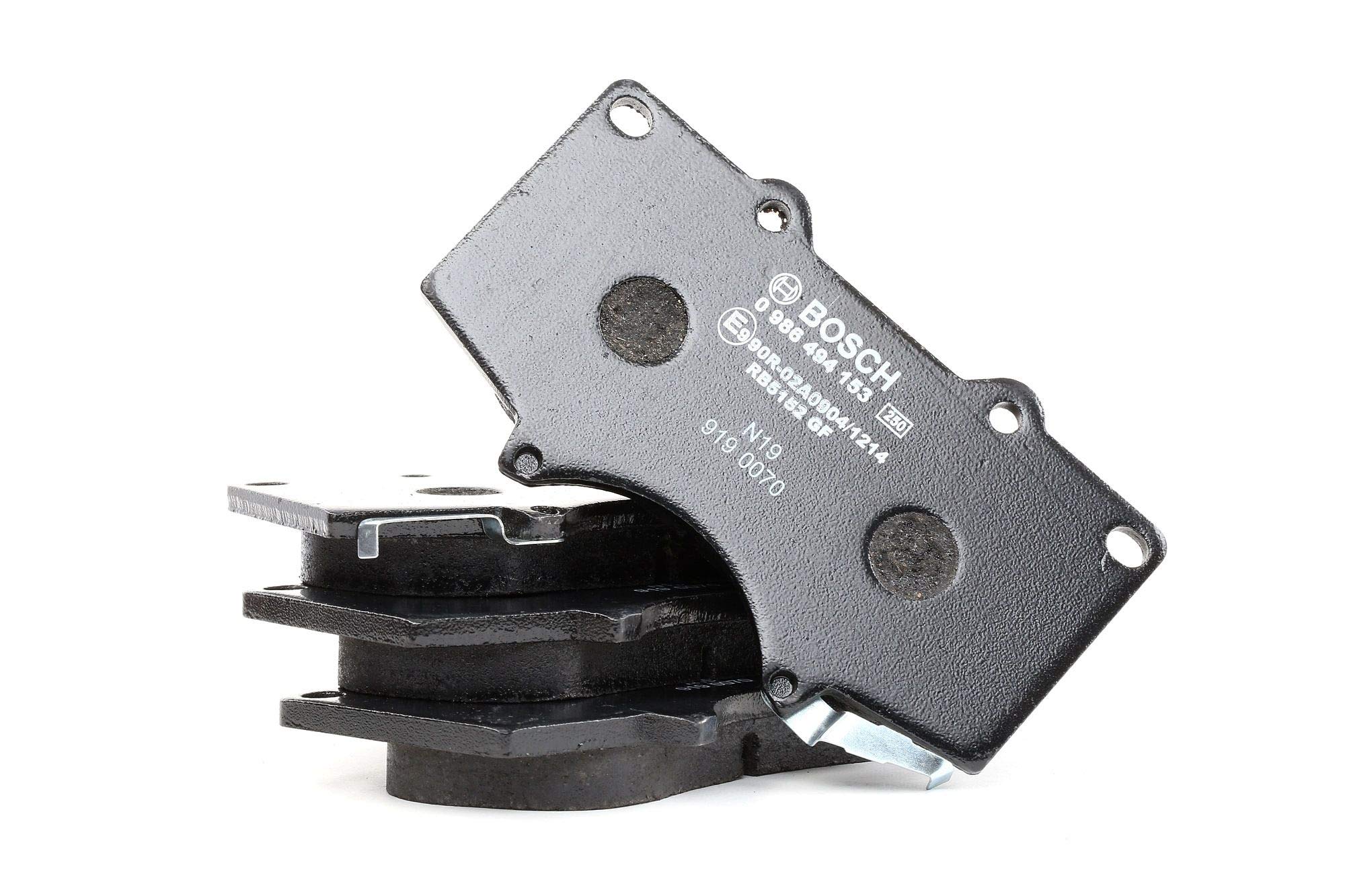
Image 1.1: Bosch BP1064 Brake Pads packaging and the four brake pads included in the set.
2. Safety Information
- Professional Installation: All brake system work, including the installation of these brake pads, should only be carried out by trained and qualified automotive professionals. Improper installation can lead to serious safety hazards.
- Vehicle Compatibility: Before installation, always use the vehicle identification number (VIN) to confirm compatibility with your specific vehicle model. Refer to your vehicle's service manual for detailed instructions and any specific restrictions.
- Brake System Integrity: Ensure all components of the brake system are in good working order before and after brake pad replacement. Inspect brake discs, calipers, and fluid levels.
- Bedding-In Process: After installation, follow the recommended bedding-in procedure for new brake pads to achieve optimal performance and safety. This typically involves a series of moderate stops to properly mate the pads with the rotors.
3. Package Contents
Each set of Bosch BP1064 Brake Pads includes the following components:
- Four (4) Bosch BP1064 Front Axle Brake Pads
- Acoustic wear sensors (where applicable)

Image 3.1: Top view of the four Bosch BP1064 brake pads included in the package.

Image 3.2: Bottom view of the four Bosch BP1064 brake pads, showing the backing plates.
4. Installation Guidelines
These guidelines provide a general overview. Always refer to your vehicle's specific service manual for detailed, step-by-step instructions and torque specifications.
- Prepare the Vehicle: Park the vehicle on a level surface, engage the parking brake, and block the wheels. Loosen lug nuts, then raise the vehicle and secure it with jack stands. Remove the wheel.
- Remove Old Brake Pads: Carefully remove the brake caliper and old brake pads. Inspect the brake rotor for wear, scoring, or warping. Replace rotors if necessary.
- Clean and Lubricate: Clean the caliper and caliper bracket thoroughly. Apply appropriate high-temperature brake lubricant to caliper slide pins and contact points as specified by your vehicle manufacturer.
- Install New Brake Pads: Install the new Bosch BP1064 brake pads into the caliper bracket. Ensure the acoustic wear sensors are correctly positioned if applicable. The pads are designed for the front axle with specific dimensions: height 77.02 mm, width 134.46 mm, thickness 16.9 mm.
- Reassemble: Reinstall the brake caliper, ensuring all bolts are tightened to the manufacturer's specified torque. Reinstall the wheel and lower the vehicle.
- Brake System Check: Pump the brake pedal several times to ensure the caliper pistons are seated against the new pads. Check the brake fluid reservoir and top up if necessary.
- Bedding-In: Perform the recommended brake pad bedding-in procedure to ensure optimal performance and longevity. This typically involves a series of moderate stops from varying speeds to properly transfer friction material to the rotors.
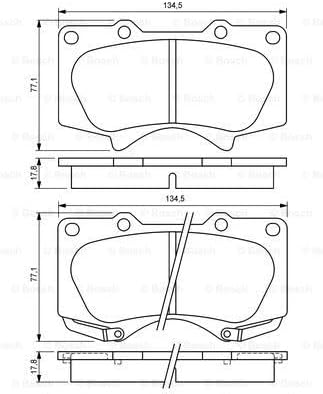
Image 4.1: Technical drawing illustrating the dimensions of the Bosch BP1064 brake pads.
5. Maintenance and Performance
Regular inspection and proper maintenance are crucial for the safety and performance of your vehicle's braking system.
- Regular Inspections: Have your brake pads, rotors, and fluid inspected regularly by a qualified technician, typically during routine vehicle servicing.
- Wear Indicators: These brake pads include acoustic wear sensors designed to produce a squealing sound when the pads reach their minimum thickness, indicating they need replacement. Do not ignore this warning.
- Consistent Performance: Bosch brake pads are engineered for consistent braking performance in various situations, providing safety and reliability.
- Optimized Comfort: The design aims for premium level noise and vibration behavior, contributing to a comfortable pedal feel during braking.
6. Troubleshooting
If you experience any issues with your braking system after installing new pads, consult a qualified automotive professional immediately.
- Squealing or Grinding Noise: A slight squeal can be normal during the bedding-in process. Persistent loud squealing or grinding indicates an issue, possibly worn pads, improper installation, or a problem with the rotors.
- Reduced Braking Performance: If braking feels less effective, or the pedal feels spongy, there may be air in the brake lines, a fluid leak, or an issue with the pads or calipers.
- Vibration During Braking: This often indicates warped brake rotors, which should be inspected and replaced if necessary.
- Pulling to One Side: If the vehicle pulls to one side during braking, it could indicate uneven brake wear, a seized caliper, or an issue with the brake fluid pressure.
Do not attempt to diagnose or repair complex brake system issues yourself unless you are a trained professional. Your safety depends on a properly functioning brake system.
7. Specifications
| Feature | Detail |
|---|---|
| Brand | Bosch |
| Model Number | 0986494153 |
| Part Position | Front Axle |
| Material | Low-metallic, Copper-free (<0.5%) |
| Certification | ECE R90 |
| Pad Height | 77.02 mm |
| Pad Width | 134.46 mm |
| Pad Thickness | 16.9 mm |
| WVA Number | 24024 / 24025 / 24026 |
| Item Weight | 2.03 kg |
| Product Dimensions | 17 x 11 x 9 cm |
| OEM Part Numbers | 0446535290, 0446560320, 04465YZZDB, 4605A472, 4605A481 |
8. Warranty and Support
For information regarding product warranty, technical support, or service, please refer to the official Bosch automotive parts website or contact Bosch customer service directly. Keep your purchase receipt as proof of purchase.
For further assistance, you may visit the Bosch Store on Amazon.


