1. Introduction
This manual provides essential information for the safe and effective use of the BW Technologies CG-Q34-4 Quad Calibration Gas Aluminum Cylinder. This cylinder contains a precise mixture of gases for calibrating gas detection equipment.
Please read this manual thoroughly before using the product to ensure proper handling, operation, and maintenance.
2. Product Overview
The BW Technologies CG-Q34-4 is a quad calibration gas aluminum cylinder designed for accurate calibration of gas detectors. It features a specific 4-gas mix to ensure precise sensor response.
- Gas Mix: 2.5% CH4 (Methane), 18.0% O2 (Oxygen), 25 ppm H2S (Hydrogen Sulfide), 100 ppm CO (Carbon Monoxide)
- Balance Gas: Nitrogen (N2)
- Cylinder Material: Aluminum
- Capacity: 34 Liters
- Application: Calibration equipment for gas detection devices.
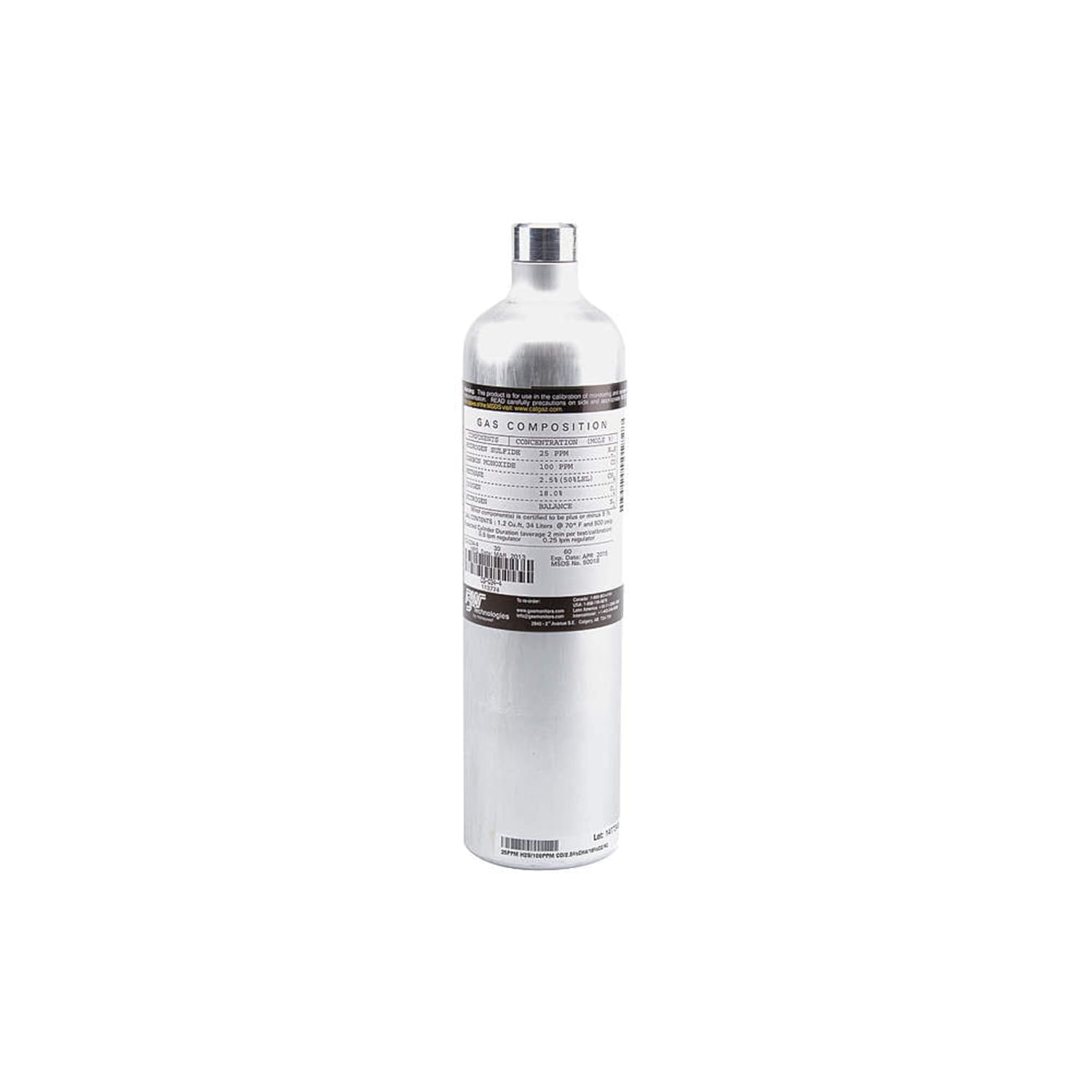
Figure 1: BW Technologies CG-Q34-4 Quad Calibration Gas Aluminum Cylinder. This image shows the full cylinder with its label visible, indicating the gas composition and other product details.
3. Safety Information
WARNING: This product contains chemicals known to the State of California to cause cancer and birth defects or other reproductive harm (Proposition 65 warning). Always handle with care and follow all safety guidelines.
- Ventilation: Use in a well-ventilated area. Do not use in confined spaces.
- Pressure: Contents are under pressure. Do not expose to heat or open flame.
- Storage: Store cylinders in a cool, dry, and well-ventilated area, away from direct sunlight and heat sources. Secure cylinders to prevent falling.
- Handling: Do not drop or mishandle the cylinder. Use appropriate cylinder carts or lifting devices.
- Regulator: Always use a compatible pressure regulator designed for calibration gas cylinders. Do not use without a regulator.
- Personal Protective Equipment (PPE): Wear appropriate PPE, such as safety glasses and gloves, when handling.
- Disposal: Dispose of empty cylinders according to local regulations. Do not refill.
- Emergency: In case of gas leak, evacuate the area and ventilate. Seek medical attention if symptoms of exposure occur.
4. Setup
- Inspect Cylinder: Before use, visually inspect the cylinder for any damage, dents, or leaks. Check the expiration date printed on the cylinder label. Do not use if expired or damaged.
- Prepare Regulator: Ensure you have the correct pressure regulator for calibration gas cylinders. Inspect the regulator for cleanliness and damage.
- Attach Regulator: Carefully attach the regulator to the cylinder valve. Hand-tighten first, then use a wrench to secure it firmly, ensuring a gas-tight seal. Do not overtighten.
- Connect Tubing: Connect the appropriate tubing from the regulator outlet to your gas detection instrument's calibration port.
- Secure Cylinder: Place the cylinder in a stable, upright position, preferably secured with a cylinder strap or stand, to prevent it from tipping over during use.
5. Operating Instructions
Follow these steps to calibrate your gas detection instrument using the BW Technologies CG-Q34-4 cylinder:
- Power On Instrument: Turn on your gas detection instrument and allow it to warm up according to its manufacturer's instructions.
- Initiate Calibration Mode: Put your instrument into calibration mode. Refer to your instrument's user manual for specific instructions.
- Open Cylinder Valve: Slowly open the cylinder valve by turning the knob counter-clockwise. Do not open too quickly.
- Apply Gas: Allow the calibration gas to flow into the instrument's sensor for the recommended duration (typically 60-120 seconds, or as specified by your instrument's manufacturer).
- Monitor Readings: Observe the instrument's display to confirm that the sensor readings stabilize at the expected concentrations (2.5% CH4, 18.0% O2, 25 ppm H2S, 100 ppm CO).
- Complete Calibration: Once the instrument indicates successful calibration, close the cylinder valve by turning the knob clockwise until it is fully shut.
- Disconnect: Disconnect the tubing from the instrument and remove the regulator from the cylinder.
Note: Always perform calibration in a clean, fresh air environment, free from contaminants that could interfere with sensor readings.
6. Maintenance
Proper maintenance ensures the longevity and reliability of your calibration gas cylinder and associated equipment.
- Storage: Store cylinders upright in a secure, well-ventilated area, away from extreme temperatures and corrosive materials.
- Expiration Date: Regularly check the expiration date on the cylinder label. Calibration gas accuracy can degrade over time. Do not use expired gas.
- Cylinder Inspection: Periodically inspect the cylinder for any signs of damage, corrosion, or leaks.
- Regulator Care: Keep your pressure regulator clean and free of debris. Store it properly when not in use to prevent damage to the gauges or seals.
- Disposal: Once the cylinder is empty or expired, dispose of it according to local environmental regulations. Do not attempt to refill or alter the cylinder.
7. Troubleshooting
| Problem | Possible Cause | Solution |
|---|---|---|
| Gas not flowing from cylinder. | Cylinder valve closed, regulator not attached correctly, cylinder empty, regulator malfunction. | Ensure valve is open. Re-attach regulator. Check cylinder weight/pressure. Replace regulator if faulty. |
| Instrument fails to calibrate. | Expired gas, incorrect gas mix, faulty sensor, improper flow rate, environmental interference. | Check cylinder expiration date. Verify gas mix matches instrument requirements. Consult instrument manual. Ensure proper ventilation. |
| Gas leak detected. | Loose connections, damaged regulator, damaged cylinder valve. | Tighten connections. Replace damaged regulator. Do not use damaged cylinders; dispose of safely. |
8. Specifications
| Attribute | Detail |
|---|---|
| Model Number | CG-Q34-4 |
| Gas Composition | 2.5% CH4, 18.0% O2, 25 ppm H2S, 100 ppm CO |
| Balance Gas | Nitrogen (N2) |
| Cylinder Material | Aluminum |
| Capacity | 34 Liters |
| Product Dimensions | 12 x 3 x 3 inches |
| Item Weight | 2.2 Pounds |
| Manufacturer | Honeywell International, Inc |
| Date First Available | November 19, 2012 |
9. Warranty and Support
For information regarding product warranty, technical support, or service, please contact BW Technologies or Honeywell International, Inc. directly through their official website or customer service channels.
Please have your product model number (CG-Q34-4) and purchase details available when contacting support.


