
1. Introduction
This manual provides essential information for the NGK 24247 Oxygen Sensor. Oxygen sensors are critical components in modern vehicle emission control systems, monitoring the oxygen content in the exhaust gas to help the engine control unit (ECU) optimize the air-fuel mixture for efficient combustion and reduced emissions.
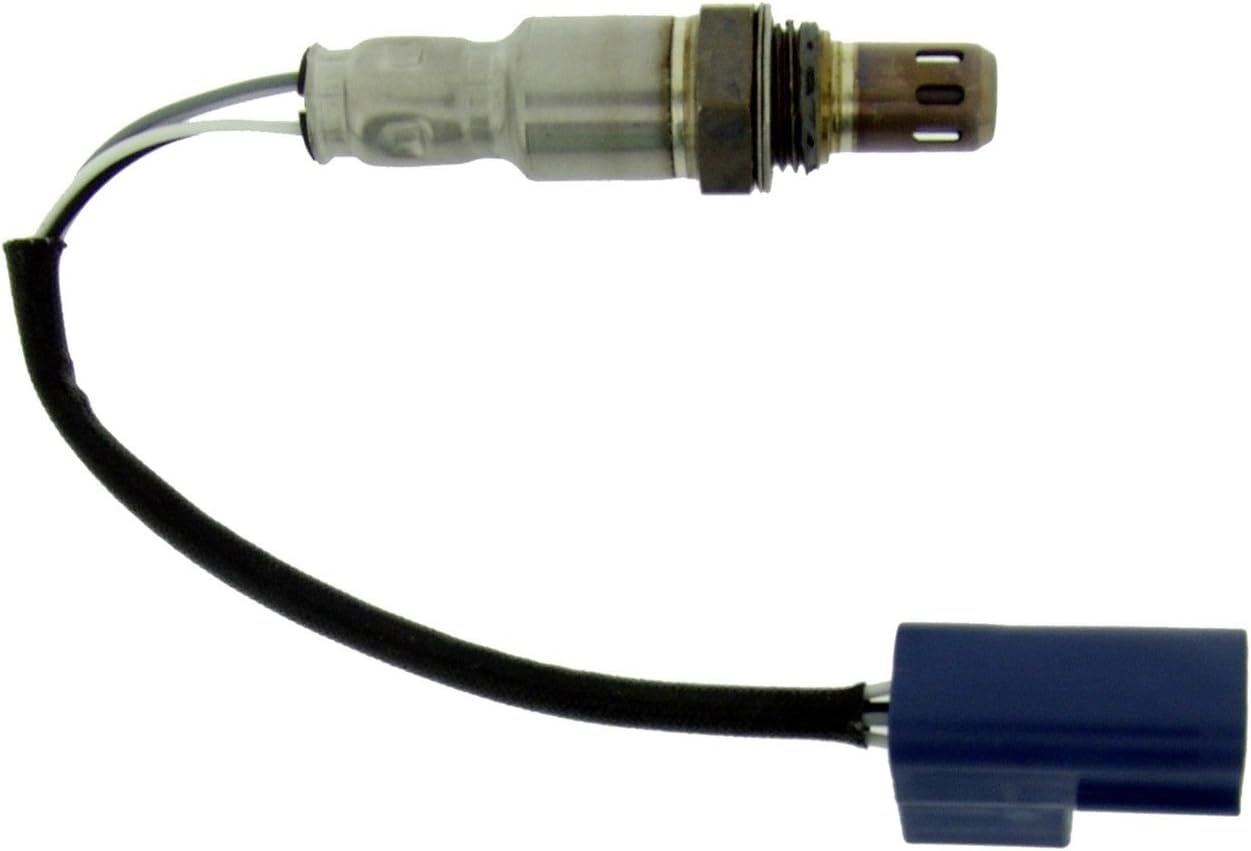
Figure 1: The NGK 24247 Oxygen Sensor. This image displays the complete sensor unit, including the sensor probe, wiring harness, and electrical connector. The probe end is designed to be inserted into the exhaust system, while the connector interfaces with the vehicle's electrical system.
2. Setup and Installation
The NGK 24247 Oxygen Sensor is designed as a direct replacement auto part. Proper installation is crucial for optimal performance and to prevent damage to the sensor or vehicle. It is recommended that installation be performed by a qualified automotive technician.
2.1. Pre-Installation Checks
- Vehicle Compatibility: Confirm vehicle fitment using the manufacturer's specifications or a reliable vehicle fitment tool.
- Inspect Packaging: Ensure the sensor and its original packaging are intact and include all necessary hardware.
- Safety Precautions: Disconnect the vehicle's battery before beginning any work. Allow the exhaust system to cool completely to avoid burns. Use appropriate personal protective equipment (PPE).
2.2. Installation Procedure (General Guidelines)
- Locate the existing oxygen sensor in the exhaust system.
- Disconnect the electrical connector from the old sensor.
- Using an appropriate oxygen sensor socket or wrench, carefully remove the old sensor.
- Apply anti-seize compound (if not pre-applied) to the threads of the new NGK 24247 sensor.
- Thread the new sensor into the exhaust bung by hand to prevent cross-threading.
- Tighten the sensor to the manufacturer's specified torque using the correct tool.
- Connect the electrical connector of the new sensor, ensuring a secure connection.
- Reconnect the vehicle's battery.
- Start the engine and check for any exhaust leaks or illuminated check engine lights.
Note: Always refer to your vehicle's specific service manual for detailed installation instructions and torque specifications.
3. Operating Principles
The NGK 24247 Oxygen Sensor functions by generating a voltage signal that varies with the oxygen concentration in the exhaust gas. This signal is sent to the vehicle's ECU. When the air-fuel mixture is rich (less oxygen in exhaust), the sensor produces a high voltage. When the mixture is lean (more oxygen in exhaust), it produces a low voltage.
The ECU uses this feedback to continuously adjust the fuel injection, maintaining an optimal stoichiometric air-fuel ratio. This process ensures efficient catalytic converter operation, leading to reduced harmful emissions and improved fuel economy.
4. Maintenance
Oxygen sensors are wear-and-tear components and are not typically user-serviceable or repairable. Their lifespan can be affected by factors such as fuel quality, engine condition, and driving habits. There is no routine maintenance required for the sensor itself.
However, it is advisable to regularly check other components of the exhaust and engine management system, such as spark plugs, fuel injectors, and the catalytic converter, as their condition can impact the oxygen sensor's performance and longevity.
5. Troubleshooting
A faulty oxygen sensor can lead to various engine performance issues and increased emissions. Common symptoms that may indicate a failing NGK 24247 Oxygen Sensor include:
- Illuminated Check Engine Light: This is often the first indicator, with diagnostic trouble codes (DTCs) related to oxygen sensor performance.
- Reduced Fuel Economy: An inaccurate sensor signal can cause the ECU to run a rich or lean mixture, wasting fuel.
- Rough Idling or Stalling: Incorrect air-fuel mixture can lead to unstable engine operation.
- Increased Emissions: Failure to maintain the correct air-fuel ratio can result in higher levels of pollutants from the exhaust.
- Failed Emissions Test: A malfunctioning oxygen sensor is a common cause for failing vehicle emissions inspections.
If you experience any of these symptoms, it is recommended to have your vehicle diagnosed by a professional technician. Diagnostic tools can read specific trouble codes and monitor live sensor data to confirm the issue.
6. Specifications
| Specification | Detail |
|---|---|
| Brand | NGK / NTK |
| Model Number | 24247 |
| Material | Ceramic |
| Item Dimensions (L x W x H) | 5.79 x 2.17 x 1.89 inches |
| Item Weight | 0.26 Pounds (approx. 4.2 ounces) |
| Mounting Type | Flange Mount |
| Output Type | Signal |
| Specific Uses | Oxygen Sensor for Automotive Applications |
| UPC | 664965211705 |
7. Warranty and Support
For information regarding product warranty, returns, or technical support, please refer to the official NGK/NTK website or contact their customer service directly. Keep your purchase receipt and product packaging for any warranty claims.