
1. Introduction
This manual provides detailed instructions for the assembly, preparation, and safe launch of your Estes 1756 Alpha Model Rocket Kit. Designed for intermediate skill levels, this kit offers an engaging experience in model rocketry. Please read all instructions carefully before beginning assembly or launch.
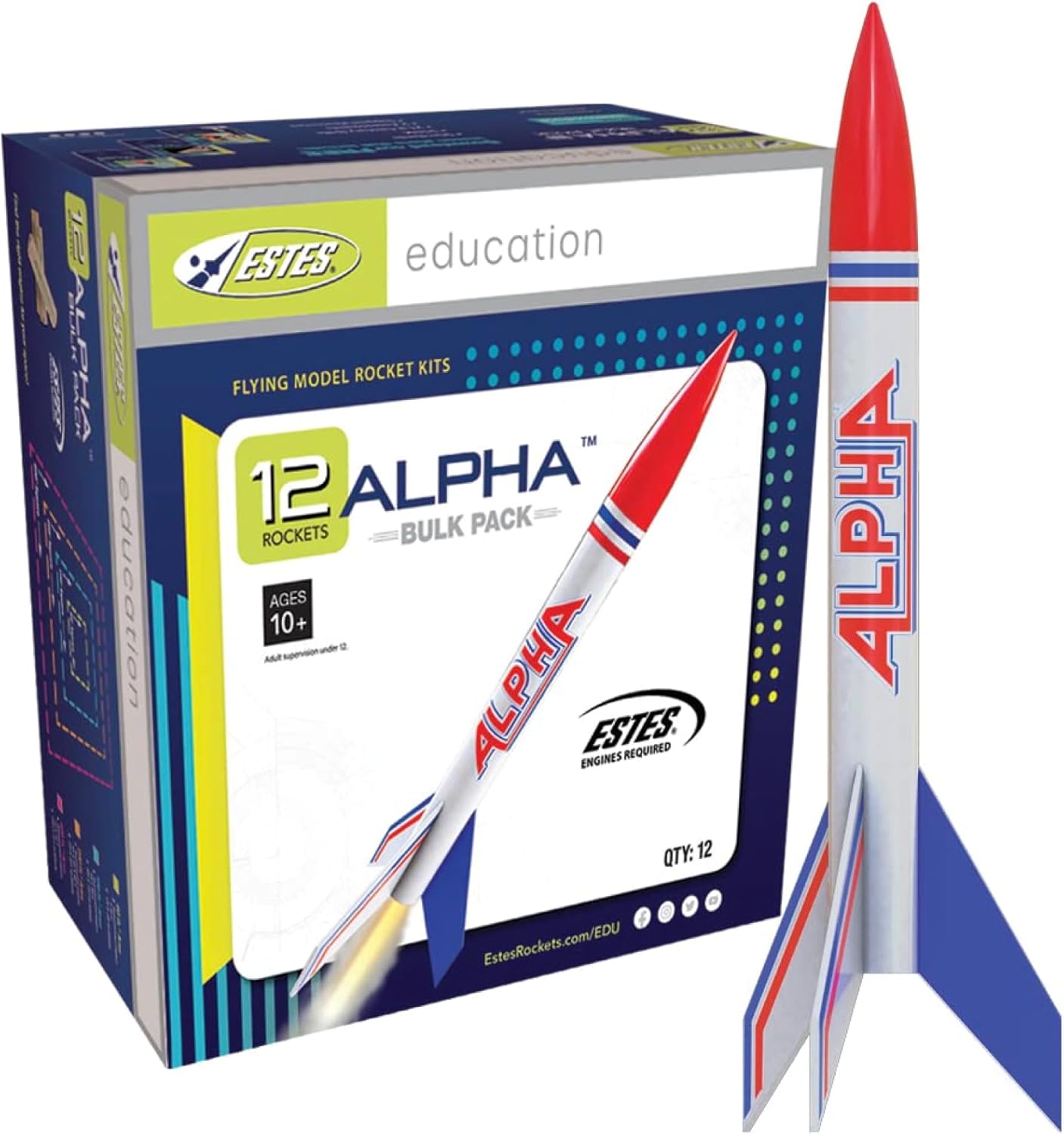
Image 1.1: The Estes 1756 Alpha Model Rocket Kit, featuring the product packaging and an assembled rocket.
2. Safety Information
WARNING: This is not a toy. Recommended for ages 14 and up. Adult supervision is recommended for users under 12 years of age.
- Always adhere to the NAR (National Association of Rocketry) model-rocket safety code during all operations.
- Ensure you have an appropriate launch site that is clear of obstructions, dry weeds, brown grass, or highly flammable materials.
- Maintain a safe distance of at least 15 feet from the launch pad during countdown and launch.
- Only launch under calm weather conditions with little to no wind and good visibility.
3. What's Included
Each Estes 1756 Alpha Model Rocket Kit includes the following reusable parts:
- Nose Cone
- Body Tube
- Recovery Parachute (12-inch / 30.5 cm)
- Engine Mount Components
- Laser-Cut Balsa Wood Fins
- Self-stick Decals
- Instructions
The bulk pack contains 12 individual Alpha rocket kits.
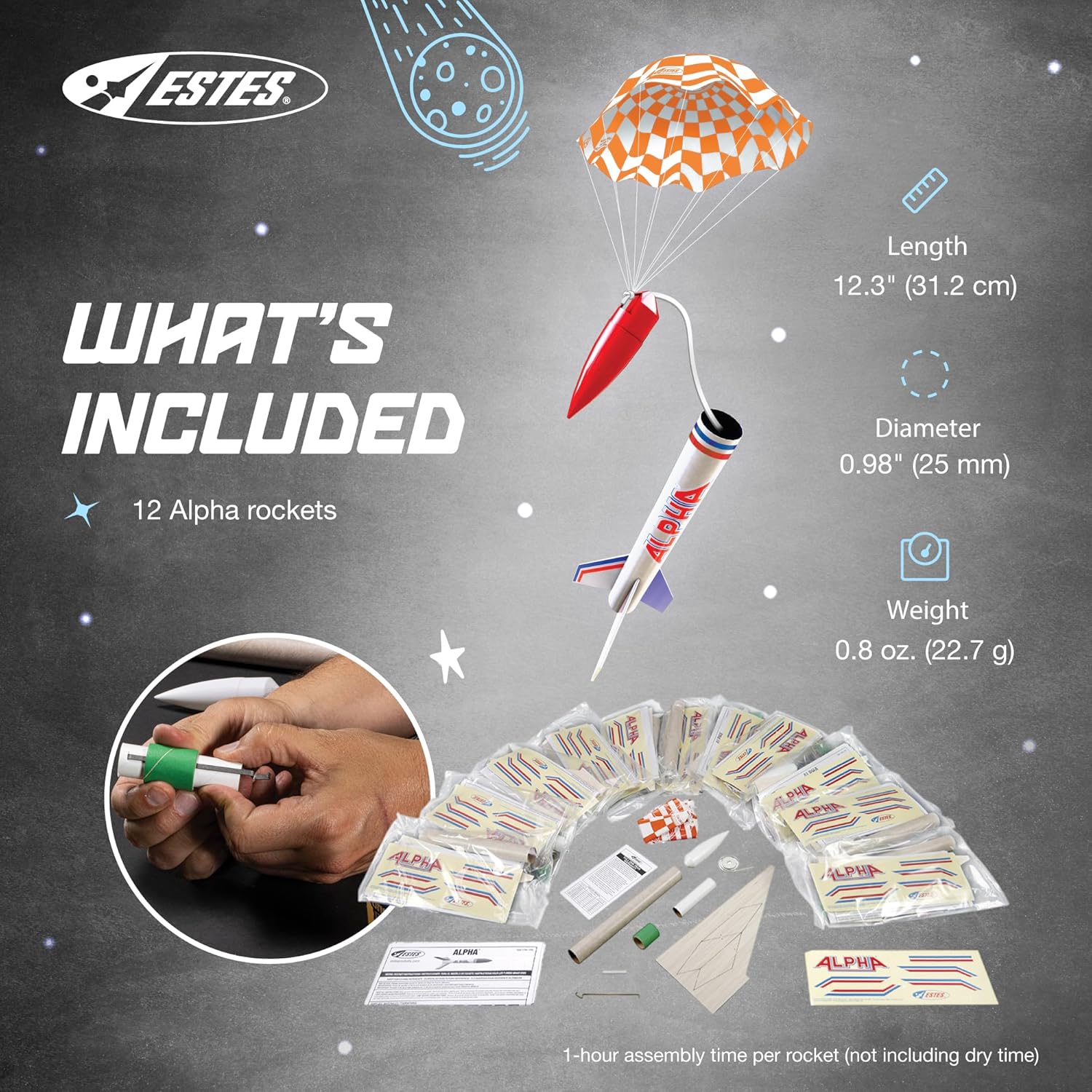
Image 3.1: All included components for one Estes Alpha Model Rocket Kit.
Required for Assembly and Launch (Sold Separately):
- Scissors
- Pencil
- Ruler
- Fine Sandpaper
- Carpenter’s Glue
- Hobby Knife
- Masking Tape
- Compatible Estes Model Rocket Engine (e.g., 1/2A6-2, A8-3, A8-5, B4-4, B6-4, B6-6, C6-5, C6-7)
- Estes Starters
- Estes Recovery Wadding
- Launch Pad System (e.g., Porta-Pad II Launch Pad)
- Launch Controller (e.g., Electron Beam Launch Controller)
- 4 high-quality 1.5-volt AA alkaline batteries (for Launch Controller)
4. Assembly Instructions
Assembly of each Alpha rocket kit typically takes approximately 1 hour, not including glue and paint drying time. Follow the detailed instructions provided in your kit for step-by-step guidance. Ensure all parts are securely attached and dry before proceeding to the next step.

Image 4.1: Essential tools and materials for constructing the Alpha Model Rocket.
5. Launch Preparation
5.1. Engine Selection
Select an appropriate Estes engine for your Alpha rocket. Compatible engines include 1/2A6-2, A8-3, A8-5, B4-4, B6-4, B6-6, C6-5, and C6-7. The C6-7 engine can propel the rocket up to 1,000 feet (305 meters). Always refer to the engine recommendations in your kit instructions.
5.2. Recovery Wadding
Insert recovery wadding into the body tube of the rocket before the parachute. This protects the recovery parachute from the hot ejection charge of the engine. Use new wadding for each flight.
5.3. Launch Pad and Controller Setup
Assemble your launch pad system (e.g., Porta-Pad II) and connect the Electron Beam Launch Controller. Ensure the launch controller has 4 fresh 1.5-volt AA alkaline batteries installed.
Video 5.1: This video provides an overview of Estes rocket launch sets, covering general preparation steps including engine selection, recovery wadding, and launch pad/controller setup.
6. Launching Your Rocket
Follow these steps for a safe and successful launch:
- Perform a thorough pre-launch check of your rocket and launch equipment.
- Set up the launch pad in a large, open area free of dry weeds or brown grass.
- Place the rocket on the launch rod.
- Connect the starter to the engine and the launch controller leads to the starter.
- Ensure all spectators are at least 15 feet away from the launch pad.
- Insert the safety key into the launch controller.
- Initiate a clear countdown.
- Press the launch button to ignite the engine.

Image 6.1: Visual representation of the Estes Alpha Model Rocket flight sequence, from launch to recovery.
Video 6.1: A short preview video demonstrating the launch of an Estes Alpha Model Rocket.
7. Recovery
The Alpha rocket utilizes a 12-inch (30.5 cm) parachute for recovery. After the engine's ejection charge deploys the parachute, the rocket will descend safely to the ground. Locate your rocket and prepare it for its next flight.
Video 7.1: This video showcases the Estes 1225 Alpha Flying Model Rocket Kit, including its assembly and launch, demonstrating the recovery process.
8. Launch Site Dimensions
Choosing an appropriate launch site is crucial for safety and successful recovery. Refer to the table below for recommended minimum site dimensions based on engine impulse.

Image 8.1: Recommended launch site dimensions based on motor type and total impulse.
9. Maintenance
To ensure the longevity and continued performance of your Estes Alpha Model Rocket, regular maintenance is recommended:
- Inspection: After each flight, inspect all rocket components (nose cone, body tube, fins, engine mount, and recovery system) for any signs of damage, cracks, or loose parts.
- Cleaning: Gently clean any residue from the engine mount and inside the body tube.
- Repair: Repair any minor damage to fins or the body tube using appropriate adhesives. Replace severely damaged components.
- Storage: Store the rocket in a cool, dry place away from direct sunlight and extreme temperatures.
10. Troubleshooting
If you encounter issues with your Estes Alpha Model Rocket, consider the following troubleshooting tips:
- Rocket Fails to Launch: Check battery connections in the launch controller. Ensure the starter is properly inserted into the engine and the clips are securely attached. Verify the safety key is fully inserted.
- Erratic Flight Path: Inspect fins for damage or improper alignment. Ensure the launch rod is straight and securely mounted. Verify the correct engine is used for the rocket's weight and design.
- Parachute Fails to Deploy: Ensure recovery wadding was properly inserted to protect the parachute. Check that the nose cone is not too tightly fitted, preventing ejection.
- Rocket Drifts Too Far: Consider launching on a day with less wind. Ensure the recovery parachute is fully deployed and not tangled.
11. Specifications
| Feature | Detail |
|---|---|
| Model Name | Estes Rockets 1756 Alpha Model Rocket Kit |
| Skill Level | Intermediate |
| Length | 12.3 inches (31.2 cm) |
| Diameter | 0.98 inches (25 mm) |
| Weight | 0.8 oz. (22.7 g) |
| Projected Max Altitude | 1,000 ft. (305 m) with C6-7 engine |
| Recovery System | 12-inch (30.5 cm) Parachute |
| Fin Material | Laser-Cut Balsa Wood |
| Recommended Engines | 1/2A6-2, A8-3, A8-5, B4-4, B6-4, B6-6, C6-5, C6-7 |
| Launch System | Porta-Pad II Launch Pad and Electron Beam Launch Controller (sold separately) |

Image 11.1: Technical specifications and compatible engines for the Estes Alpha Model Rocket.
12. Warranty and Support
Estes provides a 1-year warranty against manufacturer defects. For warranty claims or product support, please contact Estes Industries directly. Contact information is typically available on the product packaging or their official website.
Legal Disclaimer:
While Belleville Wholesale Hobby may assist with general inquiries, warranty claims are handled directly by the manufacturer, Estes Industries. Estes Industries can be reached at 1295 H Street Penrose, CO 81240, Free 800-525-7561, Telephone: 719-372-6565, Fax: 719-372-3419, or visit www.estesrockets.com.


