
Introduction
The MOOG EV800728 Tie Rod End is a critical component in your vehicle's steering system, designed to provide precise control and durability. MOOG Problem Solver products incorporate proven design and engineering features for like-new steering, ease of installation, and longer life. This manual provides essential information for the proper installation, operation, and maintenance of your MOOG EV800728 Tie Rod End.
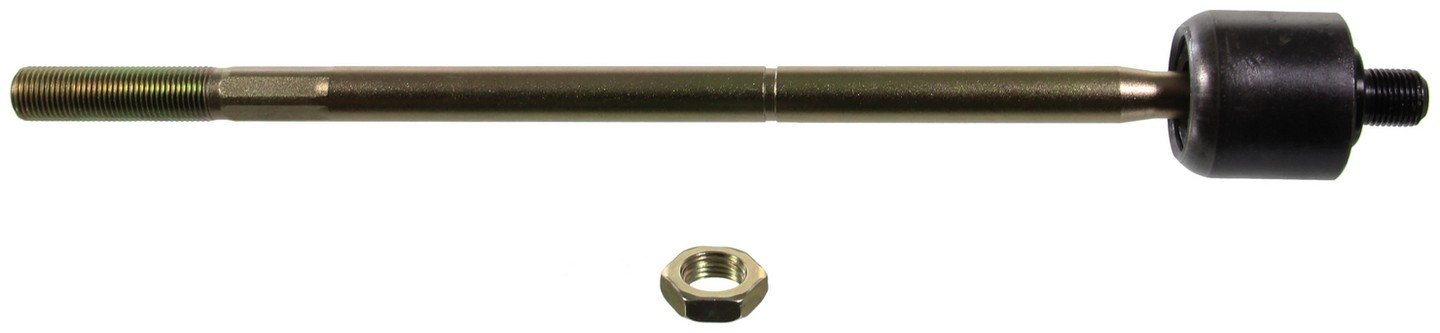
Figure 1: MOOG EV800728 Tie Rod End. This image displays the tie rod end, highlighting its robust construction and design features.
Product Features
- Enhanced Durability: Engineered to meet or exceed original equipment (OE) performance standards, ensuring long-lasting reliability.
- Easy Installation: Features wrench flats on the housing and stud, facilitating straightforward installation and alignment adjustments.
- Optimized Performance: Polished stud ball provides low socket torque, contributing to smooth steering operation.
- Ideal Stud Swing: Stud design is optimized to provide ideal stud swing and strength for each specific application, enhancing steering responsiveness.
- Prevents Premature Wear: Designed to address issues that can lead to premature tire wear caused by loose or worn chassis parts.
Installation Guide
Installation of a tie rod end requires specific tools and mechanical knowledge. It is highly recommended that this procedure be performed by a qualified automotive technician. Improper installation can lead to steering issues, loss of control, and serious injury.
- Safety First: Park the vehicle on a level surface, engage the parking brake, and use jack stands to securely support the vehicle after lifting. Remove the wheel.
- Mark Alignment: Before removal, mark the position of the old tie rod end on the tie rod to ensure proper alignment during reinstallation. This is crucial for maintaining steering geometry.
- Remove Old Component: Loosen the jam nut on the tie rod. Remove the cotter pin and castle nut from the tie rod end stud. Use a tie rod end puller or fork to separate the tie rod end from the steering knuckle. Unscrew the old tie rod end from the tie rod, counting the turns for reference.
- Install New Component: Thread the new MOOG EV800728 Tie Rod End onto the tie rod, matching the number of turns counted during removal. Ensure the jam nut is in place. Insert the stud into the steering knuckle.
- Secure Fasteners: Install the castle nut and tighten it to the manufacturer's specified torque. Insert a new cotter pin to secure the nut. Tighten the jam nut against the tie rod end using the wrench flats provided on the housing.
- Final Alignment: After installation, it is imperative to have a professional wheel alignment performed to ensure correct steering geometry and prevent premature tire wear.
Note: The integrated wrench flats on the housing and stud of the MOOG EV800728 are designed to simplify both installation and subsequent alignment adjustments.
Operation
The tie rod end connects the steering rack or steering box to the steering knuckle, allowing the wheels to turn in response to steering wheel input. When properly installed and functioning, the MOOG EV800728 Tie Rod End ensures precise and responsive steering, contributing to vehicle stability and control. Its design minimizes play and friction, translating steering wheel movements directly to the road wheels.
Maintenance
Regular inspection of your vehicle's steering and suspension components is crucial for safety and longevity. While the MOOG EV800728 Tie Rod End is designed for durability, periodic checks can help identify potential issues early.
- Visual Inspection: During routine service, visually inspect the tie rod ends for any signs of damage, such as torn dust boots, corrosion, or excessive grease leakage.
- Check for Play: With the vehicle safely lifted, grasp the tie rod and attempt to move it up and down, and side to side. Any noticeable play or looseness indicates wear and requires further investigation or replacement.
- Lubrication: If your tie rod end is equipped with a grease fitting (zirc), lubricate it periodically with appropriate chassis grease according to your vehicle manufacturer's recommendations. Many modern tie rod ends are sealed and do not require lubrication.
- Tire Wear Monitoring: Uneven or premature tire wear can be an indicator of worn steering components, including tie rod ends. Address such issues promptly.
Troubleshooting Common Issues
If you experience any of the following symptoms, your tie rod ends may be worn and require inspection or replacement:
- Loose Steering: Excessive play in the steering wheel, requiring constant corrections to keep the vehicle straight.
- Clunking or Popping Noises: Sounds coming from the front suspension, especially when turning or going over bumps.
- Uneven Tire Wear: Particularly feathering or excessive wear on the inner or outer edges of the tires.
- Vibration: Steering wheel vibration, especially at higher speeds.
- Poor Alignment: Difficulty maintaining wheel alignment after adjustments.
If you suspect a worn tie rod end, it is crucial to have your vehicle inspected by a professional technician immediately to ensure safe operation.
Specifications
| Attribute | Value |
|---|---|
| Manufacturer | Moog |
| Brand | MOOG |
| Item Weight | 2.4 pounds |
| Product Dimensions | 19.4 x 4.2 x 2.5 inches |
| Item Model Number | EV800728 |
| Manufacturer Part Number | EV800728 |
| ASIN | B009B42JUU |
| Date First Available | September 12, 2012 |

