
Dorman 917-033
Dorman 917-033 Ignition Knock (Detonation) Sensor Connector Instruction Manual
This manual provides detailed instructions for the Dorman 917-033 Ignition Knock (Detonation) Sensor Connector, designed for reliable performance and durability in specified automotive applications.
Product Overview
The Dorman 917-033 Ignition Knock (Detonation) Sensor Connector is a direct replacement component engineered to match the fit and function of the original connector in various vehicle models. It plays a crucial role in the engine's management system by transmitting signals from the knock sensors to the engine control unit (ECU), allowing for precise ignition timing adjustments and preventing engine damage from pre-ignition or detonation.
This connector is constructed from quality materials to ensure long service life and reliable performance, addressing common issues such as corrosion or heat damage that can affect original wiring harnesses.

Figure 1: Main view of the Dorman 917-033 Ignition Knock Sensor Connector.
Setup and Installation
Installation of the Dorman 917-033 connector typically involves accessing the engine's knock sensors, which may require removal of other engine components. It is recommended to replace the wiring harness when replacing knock sensors to ensure optimal performance and prevent future issues.
Key Features for Installation:
- Direct Replacement: Designed to match the original connector for a precise fit.
- Durable Construction: Made with high-temperature wires to resist cracking, melting, and chafing, ensuring longevity in the engine environment.
- Secure Fit: Features factory-style connectors and brand-new dust caps that fit securely into the engine block, preventing water intrusion and corrosion.
Installation Considerations:
Due to the location of knock sensors, often under the intake manifold, installation can be labor-intensive. Consult your vehicle's service manual for specific removal and installation procedures for your make, model, and trim level. Ensure all mating surfaces are clean and dry before installation. Applying a sealant, such as RTV, around the dust caps can further prevent moisture intrusion, as per some service bulletins.
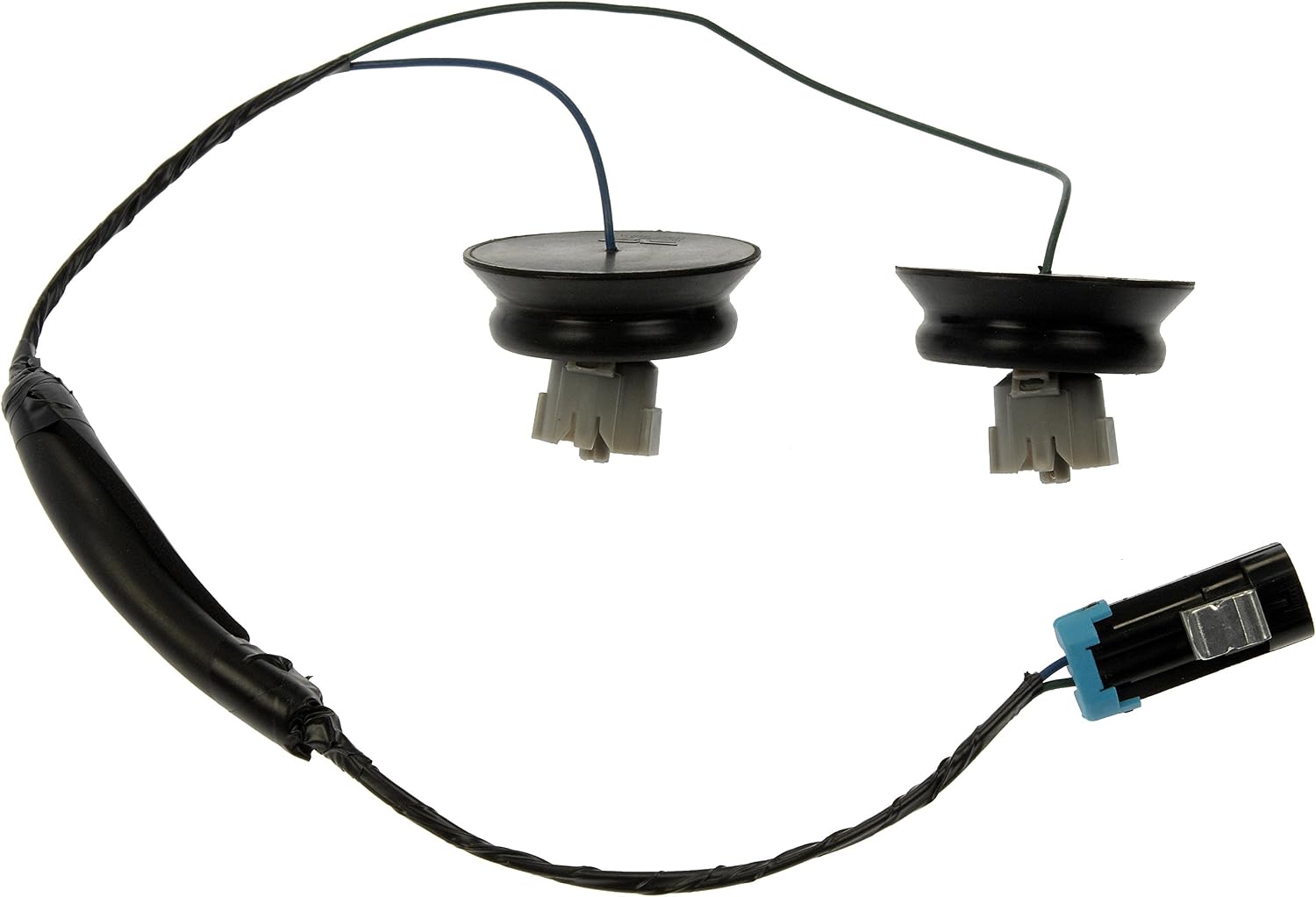
Figure 2: Front view showing the connector and dust caps.
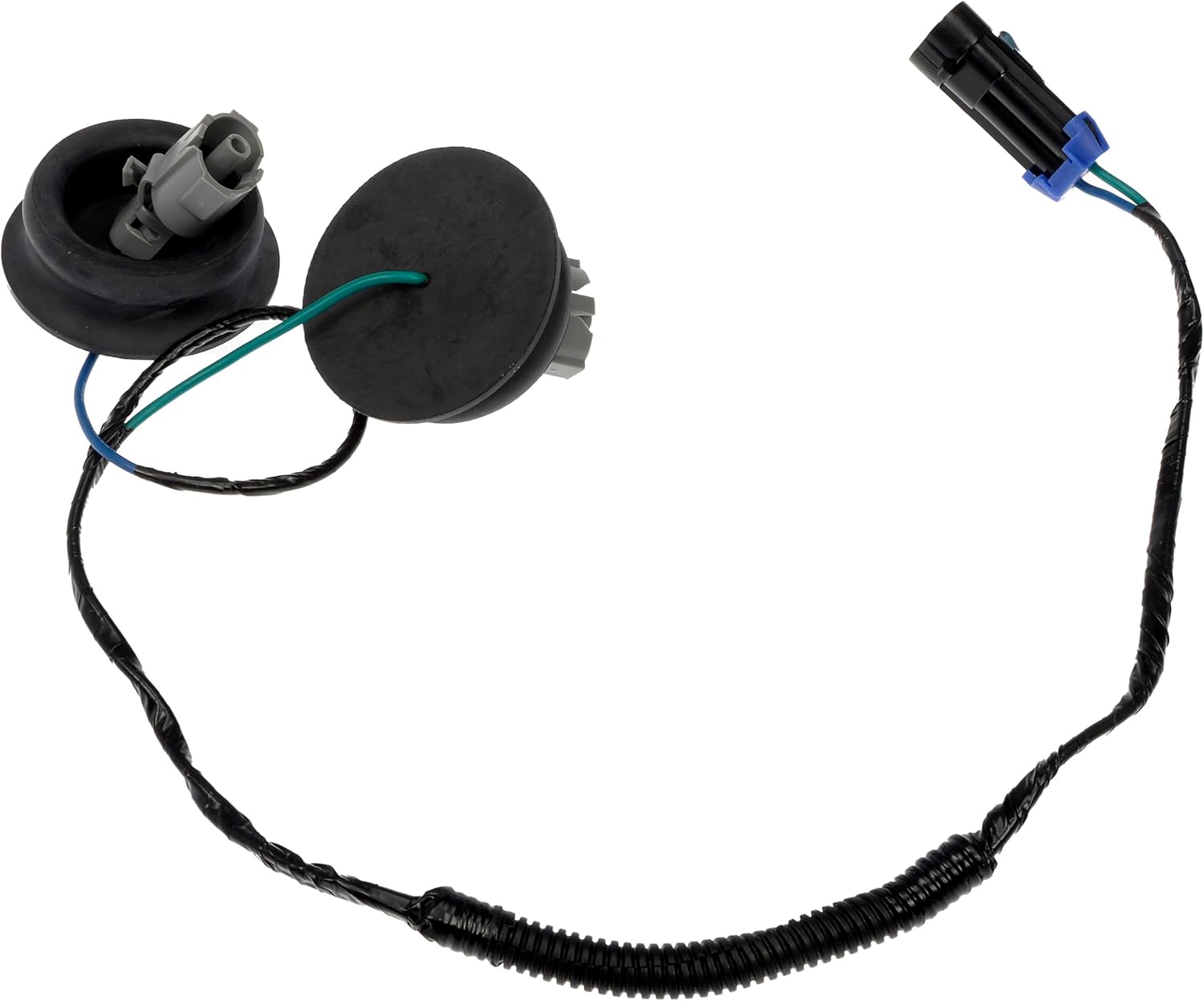
Figure 3: Close-up of the connector and wiring.
Operating Principles
The ignition knock sensor connector facilitates communication between the engine's knock sensors and the ECU. Knock sensors detect abnormal vibrations within the engine, characteristic of pre-ignition or detonation (also known as spark knock). These vibrations are converted into electrical signals and sent through the harness to the ECU.
Upon receiving these signals, the ECU can automatically adjust the ignition timing to prevent engine damage. A properly functioning connector and sensors are vital for maintaining engine health, fuel efficiency, and optimal performance.
Video 1: Informational video explaining the function of a knock sensor and its importance in engine operation.
Maintenance
Regular maintenance of your vehicle's engine components, including the knock sensor connector, is essential for longevity. While the Dorman 917-033 is designed for durability, periodic inspection during other engine maintenance (e.g., spark plug replacement, intake manifold service) is advisable.
- Inspect the wiring for any signs of cracking, fraying, or melting.
- Check the dust caps for proper seating and integrity to prevent moisture ingress.
- Ensure all connections are secure and free from corrosion.
If any damage is observed, prompt replacement of the connector is recommended to avoid potential engine performance issues or damage.
Troubleshooting
Issues with the knock sensor connector can manifest in several ways. Common symptoms include:
- Check Engine Light: Illumination of the Check Engine Light (CEL) with associated diagnostic trouble codes (DTCs) related to knock sensor performance.
- Engine Knocking/Ping: Audible rattling or pinging sounds from the engine, especially during acceleration.
- Reduced Engine Performance: Decreased power, poor fuel economy, or rough idling as the ECU attempts to compensate for perceived knock by retarding ignition timing.
If you experience these symptoms, it is advisable to have your vehicle diagnosed by a qualified technician. Diagnostic tools can read DTCs and monitor knock sensor activity to confirm if the connector or sensors are the root cause.
Video 2: Demonstration of a knock sensor harness kit, useful for understanding component layout and potential issues.
Video 3: Overview of a knock sensor wiring harness for Chevy Silverado and GMC models, highlighting key features.
Video 4: Unboxing and overview of a dual knock sensor and wiring harness kit, showing components included.
Video 5: Detailed look at a GM knock sensor wire, including packaging and components.
Video 6: Presentation of knock sensors with wiring harness kit for Chevy GMC GM vehicles.
Video 7: Short preview discussing whether to replace the entire wiring harness or just the knock sensor connector, highlighting the benefits of replacing the connector.
Specifications
| Attribute | Value |
|---|---|
| Brand | Dorman |
| Model Number | 917-033 |
| Material | Plastic |
| Item Weight | 3.2 ounces |
| Product Dimensions | 5.3 x 3.3 x 3.2 inches |
| Mounting Type | Flange Mount |
| Output Type | Physical |
| UPC | 019495273837 |
| Manufacturer | Dorman Products |
| OEM Part Number Equivalents | J72001; PTH1; 12575869; 12597415; 12601822; 15320926; 15372170 |
Warranty and Support
Dorman Products stands behind the quality of its parts. For specific warranty information and customer support, please refer to the official Dorman Products website or contact their customer service directly. Dorman is backed by a team of product experts in the United States with over a century of automotive experience.
For further assistance, you may visit the Dorman Store on Amazon.
Related documents917-033


Ask a question about this manual
Ask about setup, troubleshooting, compatibility, parts, safety, or missing instructions. Manuals+ will review the question and use this page’s manual context to help answer it.