
1. Introduction
This manual provides essential information for the proper handling, installation, operation, and maintenance of the TIMKEN 342A Tapered Roller Bearing. Adhering to these instructions will help ensure optimal performance and longevity of the bearing in its intended applications. Please read this manual thoroughly before installation and operation.
2. Product Overview
The TIMKEN 342A is a single cone tapered roller bearing designed for applications requiring support for both radial and axial loads. This component is intended to be paired with a compatible single cup (outer ring, sold separately) to form a complete tapered roller bearing assembly. Manufactured from high-alloy steel, it offers durability, heat tolerance, and resistance to deformation under heavy loads.

Figure 2.1: The TIMKEN 342A Tapered Roller Bearing single cone. This image shows the inner ring assembly with rollers and cage.
Key Features:
- Single Cone Design: Functions as the inner ring assembly, designed to connect with a separate outer cup.
- Load Support: Capable of supporting both radial and axial loads.
- Temperature Range: Operates effectively in temperatures from -54 to 120 degrees C (-65 to 250 degrees F).
- Durable Construction: Made from Timken's high-alloy steel for enhanced durability and load resistance.
- Stamped Steel Cage: Ensures proper spacing of rollers, contributing to reduced friction, vibration, and noise.
- Open Configuration: Facilitates lubrication application and precise adjustments.
3. Specifications
The following table details the key specifications for the TIMKEN 342A Tapered Roller Bearing.
| Specification | Value |
|---|---|
| Brand | TIMKEN |
| Model Number | 342A |
| Material | Alloy Steel |
| Bearing Type | Tapered Roller Bearing (Single Cone) |
| Inner Diameter (ID) | 1.6250 inches |
| Width | 1.1800 inches |
| Operating Temperature Range | -54 to 120 °C (-65 to 250 °F) |
| Compatible Lubricant | Grease (recommended) |
| Item Weight | 3.2 ounces |
| Product Dimensions (L x W x H) | 4 x 4 x 2 inches |
| Standards Met | ISO 355, ABMA standard 19.2, ISO 492, ISO 720 |
4. Setup and Installation
Proper installation is crucial for the performance and lifespan of the TIMKEN 342A tapered roller bearing. This bearing is a single cone and must be paired with a suitable cup (outer ring) for a complete assembly. Always refer to the equipment manufacturer's specific installation guidelines.
General Installation Steps:
- Preparation:
- Ensure all components (shaft, housing, bearing cone, and cup) are clean and free from debris, burrs, or nicks.
- Gather necessary tools, including a bearing heater or press, appropriate mounting tools, and clean lubricant.
- Cup Installation:
- Press the bearing cup into the housing bore. Ensure it is seated squarely and fully against the shoulder. Avoid hammering directly on the cup.
- Cone Installation:
- Heat the bearing cone to a maximum of 120 °C (250 °F) using an induction heater or oil bath. This expands the cone, allowing for easier installation onto the shaft.
- Slide the heated cone onto the shaft, ensuring it seats firmly against the shaft shoulder.
- Alternatively, a hydraulic press can be used for cold mounting, applying force only to the face of the inner ring.
- Lubrication:
- Apply a thin, even layer of compatible grease to the bearing rollers and raceways before final assembly.
- Final Assembly and Adjustment:
- Assemble the shaft with the cone into the housing with the cup.
- Adjust the bearing setting (preload or clearance) according to the equipment manufacturer's specifications. This is critical for optimal performance and bearing life.
- Secure all retaining components.
Caution: Incorrect installation can lead to premature bearing failure. If unsure, consult a qualified technician or the equipment manufacturer's manual.
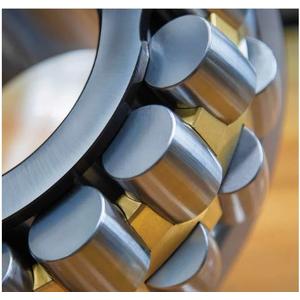
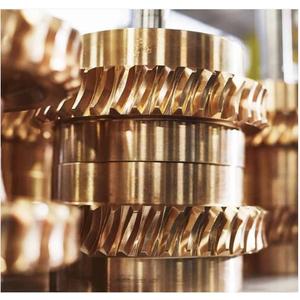
Figure 4.1: Detailed views of bearing rollers and associated components, illustrating the precision required for assembly.
5. Operating Principles
Tapered roller bearings, like the TIMKEN 342A, are designed with tapered rollers and raceways arranged so that the rollers and raceways meet at a common apex. This geometric design allows the bearing to handle both radial loads (perpendicular to the shaft) and axial loads (parallel to the shaft) simultaneously. The single cone design means that two such bearings are typically mounted in opposing pairs on a shaft to effectively distribute and manage these loads.
The stamped steel cage maintains the correct spacing between the rollers, preventing contact and reducing friction, heat generation, and noise during operation. Proper lubrication is essential to minimize wear and ensure smooth, efficient operation across the specified temperature range.
6. Maintenance
Regular maintenance is vital for extending the service life and ensuring the reliable operation of your TIMKEN 342A tapered roller bearing.
Lubrication:
- Type: Use a high-quality, compatible grease suitable for the operating conditions (temperature, load, speed). Refer to the equipment manufacturer's recommendations.
- Frequency: Lubrication intervals depend on operating conditions, environment, and application. Establish a regular lubrication schedule based on usage and manufacturer guidelines.
- Method: Ensure the bearing is adequately packed with grease, allowing for proper distribution to all rolling elements and raceways. Avoid over-greasing, which can lead to excessive heat generation.
Inspection:
- Periodically inspect the bearing for signs of wear, corrosion, or damage.
- Listen for unusual noises (grinding, squealing) during operation, which may indicate lubrication issues or damage.
- Check for excessive heat generation, which can be a sign of improper lubrication, overload, or incorrect bearing setting.
- Ensure seals (if present in the complete assembly) are intact and functioning to prevent contamination.
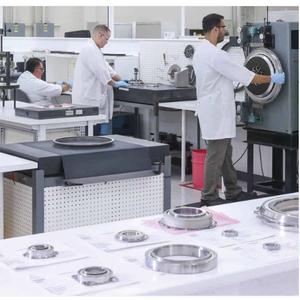
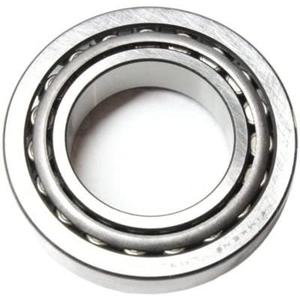
Figure 6.1: Professional inspection of bearing components and a display of various bearing types, emphasizing the importance of proper handling and selection.
7. Troubleshooting
This section outlines common issues that may arise with tapered roller bearings and potential causes. Always consult a qualified technician for complex issues.
| Symptom | Possible Cause | Solution |
|---|---|---|
| Excessive Noise (Grinding, Squealing) |
|
|
| Overheating |
|
|
| Premature Wear |
|
|
8. Warranty and Support
Specific warranty details for the TIMKEN 342A Tapered Roller Bearing are not provided within this product information. For warranty claims, technical support, or further assistance, please contact TIMKEN directly or refer to their official website. Always retain your proof of purchase.
Manufacturer: Timken
Website: www.timken.com


