
1. Introduction
This manual provides essential information regarding the Cometic Gasket C7237 Gasket set. It is designed to assist with understanding the product components, general installation considerations, and maintenance practices. This gasket set is specifically engineered for Honda XR200 models manufactured between 1992 and 2002.
Proper installation is crucial for optimal engine performance and longevity. It is recommended that installation be performed by a qualified technician.
2. Product Overview
The Cometic Gasket C7237 set includes various gaskets designed for critical engine sealing applications. Each gasket is manufactured using specific materials to ensure durability and effective sealing under demanding conditions.
- Head Gasket: Constructed from non-asbestos, flexible graphite laminated to a stainless steel core, providing robust sealing for the cylinder head.
- Manifold and Base Gaskets: Fabricated from non-asbestos nitride rubber-bound fiber, offering reliable sealing for manifold and base applications.
- Copper Gaskets: Included where specific applications require the unique sealing properties of copper.
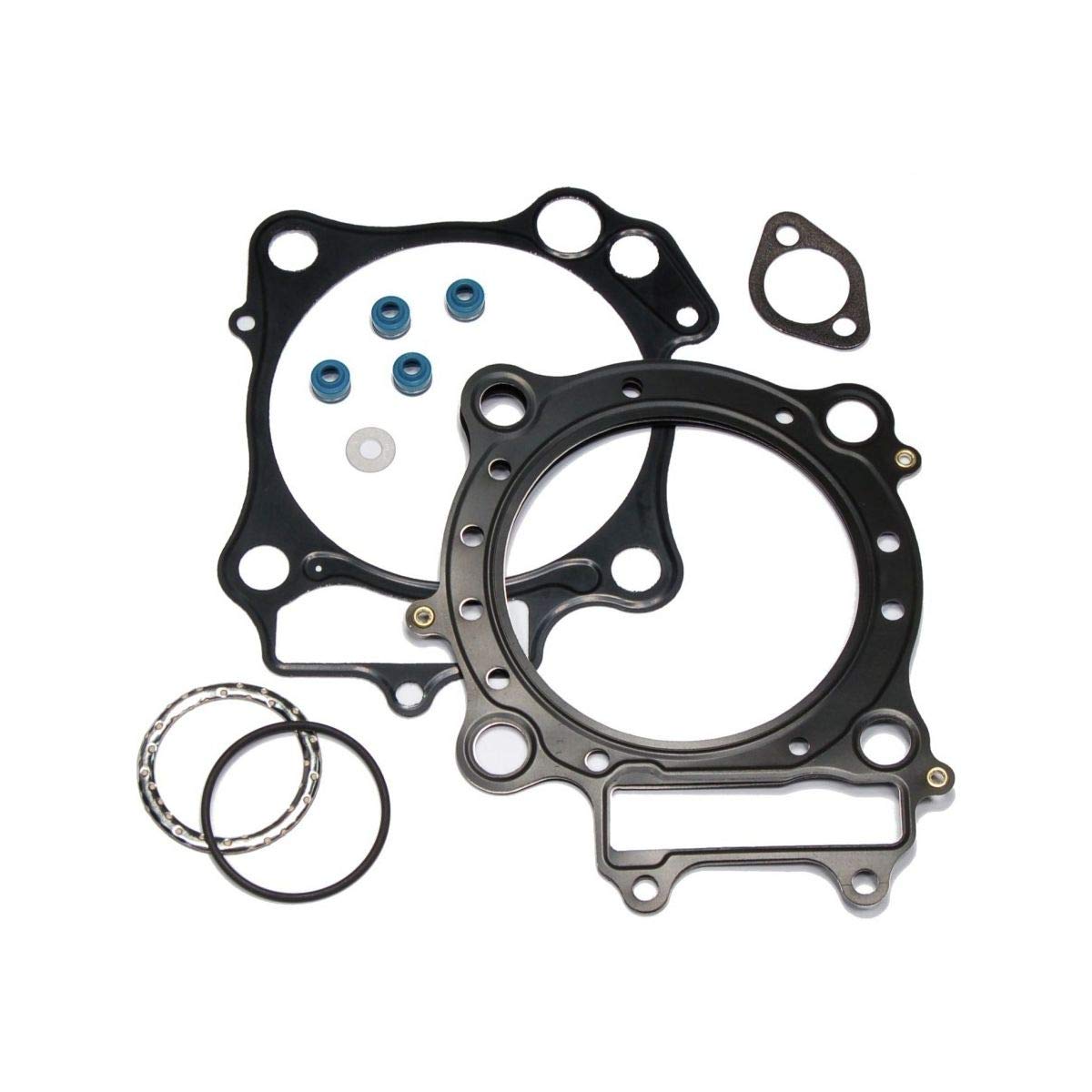
Image 2.1: A complete set of Cometic Gasket C7237 components, including the head gasket, manifold gaskets, and various seals and O-rings, laid out on a white background.
3. Installation Guidelines
Proper installation of gaskets is critical for preventing leaks and ensuring engine integrity. The following are general guidelines; always refer to your vehicle's specific service manual for detailed, model-specific instructions, torque specifications, and procedures.
- Surface Preparation: Ensure all mating surfaces are thoroughly cleaned, free of old gasket material, debris, oil, and corrosion. Use a suitable gasket scraper and cleaning agents. Surfaces must be smooth and flat.
- Gasket Selection: Verify that the correct gasket from the C7237 set is being used for its intended application (e.g., head gasket for cylinder head, manifold gasket for manifold).
- Alignment: Carefully align the gasket with the bolt holes and dowel pins on the engine components. Avoid stretching or damaging the gasket during placement.
- Fastener Torque: Tighten all fasteners to the manufacturer's specified torque values using a calibrated torque wrench. Follow the recommended tightening sequence (e.g., spiral or cross-pattern) to ensure even pressure distribution across the gasket surface.
- Post-Installation Check: After installation, inspect for any visible leaks or irregularities. Follow the vehicle manufacturer's recommendations for initial engine startup and break-in procedures.
Caution: Incorrect installation or improper torque can lead to gasket failure, fluid leaks, and potential engine damage. If you are unsure about any step, consult a professional mechanic.
4. Maintenance
Gaskets are wear items designed for a specific service life. They do not typically require routine maintenance in the traditional sense. Instead, their condition should be monitored as part of regular engine inspections.
- Regular Inspection: Periodically check for signs of fluid leaks (oil, coolant) around gasketed areas.
- Performance Monitoring: Pay attention to any changes in engine performance, such as overheating, loss of compression, or unusual exhaust smoke, which could indicate a failing gasket.
- Timely Replacement: If a gasket shows signs of failure, it should be replaced promptly to prevent further engine damage. Always use appropriate replacement parts, such as the Cometic Gasket C7237 set, for optimal results.
5. Troubleshooting
Common issues related to engine gaskets often manifest as leaks or performance degradation. Below are some common symptoms and potential causes:
- External Fluid Leaks: Visible oil, coolant, or fuel leaks around engine seams. This often indicates a failed or improperly installed gasket.
- Overheating: A failing head gasket can allow coolant to enter the combustion chamber or exhaust gases to enter the cooling system, leading to engine overheating.
- White Smoke from Exhaust: Can indicate coolant burning in the combustion chamber, often due to a compromised head gasket.
- Blue/Gray Smoke from Exhaust: May suggest oil burning, potentially from valve stem seal or other oil-related gasket failures.
- Loss of Engine Power/Misfires: A blown head gasket can reduce compression in one or more cylinders, leading to a noticeable loss of power and rough running.
- Contaminated Fluids: Oil in coolant (milky coolant) or coolant in oil (milky oil on dipstick/oil cap) are strong indicators of an internal gasket breach, typically a head gasket.
If any of these symptoms are observed, a thorough diagnostic inspection by a qualified mechanic is recommended to identify the exact cause and perform necessary repairs.
6. Specifications
| Attribute | Detail |
|---|---|
| Brand | COMETIC |
| Model Number | C7237 (Manufacturer Part Number: 68-7237) |
| Compatibility | Honda XR200 (1992-2002) |
| Head Gasket Material | Non-asbestos, flexible graphite laminated to stainless steel core |
| Manifold/Base Gasket Material | Non-asbestos nitride rubber-bound fiber |
| Additional Gaskets | Copper gaskets included where needed |
| Item Weight | 1.92 ounces |
| Product Dimensions | 5 x 5 x 5 inches |
| UPC | 191070029081 |
7. Warranty and Support
For specific warranty information regarding your Cometic Gasket C7237 set, please refer to the documentation provided at the time of purchase or contact the retailer/manufacturer directly. Warranty terms and conditions may vary.
For technical support or further inquiries, please reach out to Cometic Gasket customer service through their official website or contact channels.