
Oregon 9159
Oregon 16-inch Replacement Chainsaw Chain User Manual
Model: 9159
Product Overview
This manual provides essential information for the proper installation, operation, and maintenance of your Oregon 16-inch replacement chainsaw chain. This chain is designed for specific Homelite chainsaw models, ensuring optimal cutting performance and safety when used correctly. Refer to your chainsaw's original manual for model-specific instructions.
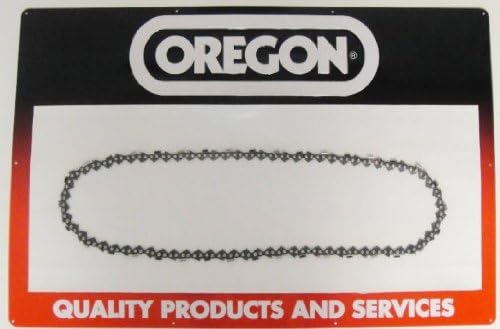
Image: The Oregon 16-inch replacement chainsaw chain, displayed on its packaging, highlighting the brand and the chain's design.
Setup and Installation
Proper installation of the chain is critical for safe and efficient operation. Always ensure the chainsaw is turned off and the spark plug wire is disconnected (for gasoline models) or the battery is removed (for electric models) before beginning any maintenance or installation.
Compatibility
This Oregon 16-inch replacement chain (Model #9159) is compatible with the following Homelite chainsaw models:
- 180 Series, 190, 192
- Bandit, Classic 192
- Electric 200, 240, 240SL, 245 (Before #XE339)
- Little Red, LX-30
- Super 2, Super2CC, VI Super 2
- XEL-14, XEL Electric
- XL, XL2 (After #504-2001), XL-2CC, XL-10, XL-14, XL-16
Installation Steps
- Safety First: Disconnect power to the chainsaw. Wear heavy-duty gloves.
- Remove Bar Cover: Loosen the bar nuts and remove the clutch cover/side plate.
- Remove Old Chain: Carefully remove the old chain from the guide bar and sprocket.
- Clean: Clean any sawdust or debris from the guide bar groove, sprocket, and clutch area.
- Install New Chain: Place the new Oregon chain onto the sprocket, ensuring the cutting edges face the correct direction (away from the saw body on the top of the bar). Fit the chain into the guide bar groove.
- Reattach Bar Cover: Slide the guide bar back into position and reattach the clutch cover/side plate, hand-tightening the bar nuts.
- Adjust Chain Tension: Adjust the chain tension screw until the chain is snug against the bottom of the guide bar, but can still be pulled freely by hand. There should be no sag on the underside of the bar. Refer to your chainsaw manual for specific tensioning guidelines.
- Tighten Bar Nuts: Fully tighten the bar nuts to secure the guide bar and chain.
- Final Check: Reconnect power and briefly run the saw at low speed to ensure the chain rotates smoothly and tension remains correct. Readjust if necessary.
Operating Guidelines
While this manual focuses on the chain, proper chainsaw operation is paramount for safety and chain longevity.
- Chain Tension: Always ensure the chain is properly tensioned before each use. A loose chain can derail, causing injury or damage. An overly tight chain can cause premature wear to the chain, bar, and sprocket, and may reduce cutting efficiency.
- Lubrication: Ensure the chainsaw's automatic oiler is functioning correctly and the chain oil reservoir is filled with appropriate bar and chain oil. Proper lubrication reduces friction and heat, extending chain life.
- Sharpness: Operate only with a sharp chain. A dull chain forces the saw to work harder, leading to poor cuts, increased fuel consumption, and accelerated wear on the saw and chain.
- Cutting Technique: Use proper cutting techniques as outlined in your chainsaw's manual to avoid kickback and ensure efficient cutting.
Maintenance
Regular maintenance of your Oregon chain will ensure its performance and extend its lifespan.
Sharpening
The chain should be sharpened regularly, ideally after every few hours of use or when cutting performance diminishes. Signs of a dull chain include:
- Sawdust resembling fine powder instead of coarse chips.
- The saw pulling to one side during cutting.
- Increased effort required to push the saw through wood.
- Smoke appearing even when the chain is properly lubricated.
Use a round file of the correct diameter (typically 5/32" for this chain type) and a filing guide to maintain the correct angles. Sharpen all cutters evenly.
Cleaning and Lubrication
- After Each Use: Clean sawdust and debris from the chain, guide bar groove, and sprocket.
- Chain Oil: Always use high-quality bar and chain oil. Ensure the automatic oiler is delivering oil to the chain during operation.
- Storage: When storing the chainsaw for extended periods, clean the chain thoroughly and lightly oil it to prevent rust.
Inspection
Regularly inspect the chain for:
- Damage: Cracks, broken rivets, or bent links. Replace damaged chains immediately.
- Wear: Excessive wear on the drive links, cutters, or depth gauges.
- Stretch: If the chain has stretched significantly and can no longer be properly tensioned, it needs replacement.
Troubleshooting
| Problem | Possible Cause | Solution |
|---|---|---|
| Chain not cutting efficiently / Sawdust is fine powder | Dull chain | Sharpen the chain using the correct file and angles. |
| Chain pulls to one side | Unevenly sharpened cutters or damaged cutter on one side. | Resharpen all cutters evenly. Inspect for damage and replace if necessary. |
| Chain comes off the bar | Loose chain tension, worn guide bar, or worn sprocket. | Adjust chain tension. Inspect and replace guide bar or sprocket if worn. |
| Chain smokes during operation | Lack of lubrication, dull chain, or improper chain tension. | Check chain oil reservoir and oiler function. Sharpen chain. Adjust tension. |
| Chain binds in cut | Dull chain, improper cutting technique, or incorrect chain tension. | Sharpen chain. Review cutting technique. Adjust chain tension. |
Specifications
- Brand: Oregon
- Model Number: 9159
- Chain Type: Semi-Chisel
- Chain Length: 16 Inches
- Compatibility: Homelite 180 Series, 190, 192, Bandit, Classic 192, Electric 200, 240, 240SL, 245 (Before #XE339), Little Red, LX-30, Super 2, Super2CC, VI Super 2, XEL-14, XEL Electric, XL, XL2 (After #504-2001), XL-2CC, XL-10, XL-14, XL-16
Related documents9159

Ask a question about this manual
Ask about setup, troubleshooting, compatibility, parts, safety, or missing instructions. Manuals+ will review the question and use this page’s manual context to help answer it.