
NGK APR5FS
NGK 3122 Spark Plug User Manual
Model: APR5FS
1. Introduction
This manual provides essential information for the NGK 3122 Spark Plug, model APR5FS. NGK spark plugs are precision-engineered components designed to provide reliable ignition for internal combustion engines. Proper installation and maintenance are crucial for optimal engine performance and longevity.

Image: The NGK 3122 Spark Plug (APR5FS) shown alongside its distinctive yellow and red packaging, indicating a single unit.
2. Product Overview and Contents
The NGK 3122 Spark Plug (APR5FS) is a critical component for your vehicle's ignition system. It is designed to ignite the air-fuel mixture in the engine's combustion chamber.
2.1. What's in the Box
- 1 x NGK 3122 Spark Plug (Model: APR5FS)
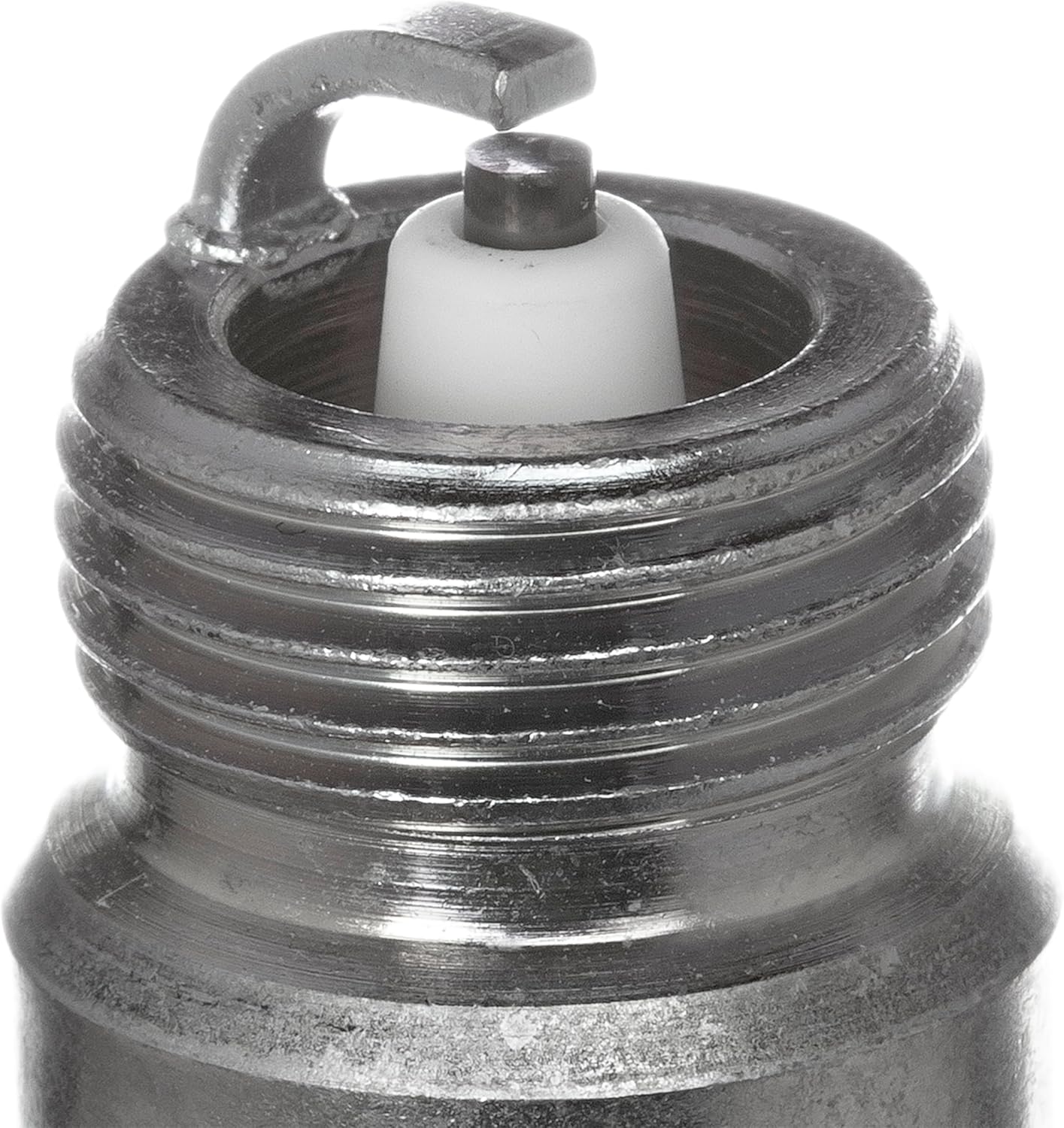
Image: A detailed close-up of the spark plug's firing end, showing the central electrode and ground electrode, crucial for ignition.

Image: A close-up of the spark plug's ceramic insulator and the terminal nut, which connects to the ignition coil or spark plug wire.
3. Specifications
| Attribute | Detail |
|---|---|
| Brand | NGK |
| Model | APR5FS |
| Manufacturer Part Number | 3122 (APR5FS) |
| OEM Part Number | 3122 |
| Item Weight | 60 g |
| Product Dimensions | 0.87 x 1.02 x 3.23 cm |
| Vehicle Service Type | Vehicle-specific |
| Compatible Vehicles | FORD TRANSIT Bus (V_), FORD TRANSIT Kasten (V_), FORD TRANSIT Pritsche/Fahrgestell (V_) |
| UPC | 087295131220 |
4. Installation (Setup)
Installing spark plugs requires specific tools and knowledge. It is highly recommended that installation be performed by a qualified mechanic or by following your vehicle's official service manual. Incorrect installation can lead to engine damage or poor performance.
4.1. General Installation Steps (Consult Vehicle Manual for Specifics)
- Safety First: Ensure the engine is cool and the vehicle's battery is disconnected to prevent accidental starting or electrical shock.
- Locate Spark Plugs: Identify the spark plug wires or coil packs connected to the spark plugs on your engine.
- Remove Wires/Coil Packs: Carefully disconnect the spark plug wires or remove the coil packs. Note their positions to ensure correct reinstallation.
- Clean Area: Before removing the old spark plugs, clean around their base to prevent dirt and debris from falling into the combustion chamber.
- Remove Old Spark Plugs: Use a spark plug socket and ratchet to carefully unscrew and remove the old spark plugs.
- Inspect New Spark Plugs: Check the new NGK spark plug for any visible damage. Ensure the gap is correct for your vehicle (consult your vehicle's service manual for the precise gap specification). Do not attempt to adjust the gap on iridium or platinum spark plugs unless specifically instructed, as this can damage the fine electrode.
- Install New Spark Plugs: Hand-thread the new spark plug into the cylinder head to avoid cross-threading. Once finger-tight, use a torque wrench to tighten the spark plug to the manufacturer's specified torque setting. Overtightening can damage the cylinder head; undertightening can lead to poor sealing and performance issues.
- Reattach Wires/Coil Packs: Reconnect the spark plug wires or coil packs securely.
- Reconnect Battery: Reconnect the vehicle's battery.
- Test: Start the engine and check for smooth operation.

Image: A skilled mechanic performing an inspection under the hood of a vehicle, illustrating the professional care recommended for spark plug installation and maintenance.
5. Operating Principles
The NGK 3122 Spark Plug functions as a critical component in the internal combustion process. When the engine is running, the ignition system delivers a high-voltage electrical pulse to the spark plug. This pulse creates a spark across the gap between the central and ground electrodes, igniting the compressed air-fuel mixture in the cylinder. This controlled explosion drives the piston, generating power for the vehicle. The spark plug operates continuously as long as the engine is running.
6. Maintenance
Spark plugs are wear items and require periodic inspection and replacement to maintain optimal engine performance and fuel efficiency.
6.1. Inspection and Replacement Schedule
- Consult Vehicle Manual: Always refer to your vehicle manufacturer's recommended maintenance schedule for spark plug inspection and replacement intervals. These intervals vary significantly depending on the vehicle model, engine type, and spark plug material (e.g., copper, platinum, iridium).
- Signs of Wear: Worn spark plugs can lead to misfires, reduced fuel economy, rough idling, and difficulty starting the engine.
- Visual Inspection: During routine maintenance, a mechanic may visually inspect spark plugs for signs of fouling (carbon deposits), oil deposits, or excessive electrode wear.

Image: Two NGK spark plugs displayed with their respective packaging, emphasizing the individual nature of the product and the importance of using genuine parts for replacement.
7. Troubleshooting
If you experience engine performance issues, spark plugs can often be a contributing factor.
7.1. Common Issues and Solutions
- Engine Misfires or Rough Idling:
- Possible Cause: Worn, fouled, or incorrectly gapped spark plug.
- Solution: Inspect spark plugs for wear or deposits. Replace if necessary. Ensure correct gap. Check ignition coils and wires.
- Reduced Fuel Economy:
- Possible Cause: Inefficient combustion due to worn spark plugs.
- Solution: Replace spark plugs according to vehicle manufacturer's schedule.
- Difficulty Starting Engine:
- Possible Cause: Weak or no spark from spark plugs.
- Solution: Check spark plugs, ignition system components (coils, wires), and battery.
- Check Engine Light:
- Possible Cause: Misfires detected by the engine's computer.
- Solution: Have the vehicle diagnosed by a professional using an OBD-II scanner to identify the specific trouble code.
Note: Many engine performance issues can stem from various components. If troubleshooting spark plugs does not resolve the issue, it is advisable to consult a professional automotive technician.
8. Warranty and Support
For information regarding the warranty of your NGK spark plug, please refer to the official NGK website or contact your point of purchase. NGK provides high-quality automotive components designed for reliability and performance.
For technical support or further inquiries, please visit the official NGK website or contact their customer service department.
- Official NGK Website: www.ngkntk.com
- NGK Store on Amazon: NGK Store
Related documentsAPR5FS


Ask a question about this manual
Ask about setup, troubleshooting, compatibility, parts, safety, or missing instructions. Manuals+ will review the question and use this page’s manual context to help answer it.