
1. Overview
The Juki DDL-5550N is a single-needle, straight stitch, industrial sewing machine. Manufactured in Japan by Juki, a world leader in sewing quality and technology, this machine is perfect for sewing light to medium weight fabrics. It is engineered for reduced vibration and noise, optimized for comfortable operation.
Key features of the JUKI DDL-5550N include:
- Max. Sewing Speed: 5500 stitches/minute
- Max. Stitch Length: 5mm
- Unit dimensions (LxWxH): 48 inches by 20 inches by 48 inches
- Needle: DB X 1, sizes 9-18
- 110V with industrial clutch motor

Figure 1: JUKI DDL-5550 Industrial Straight Stitch Sewing Machine.
2. Setup and Installation
The JUKI DDL-5550N is typically sold as a complete unit, including the machine head, table, stand, and motor. Minor assembly may be required upon delivery.
2.1 Unpacking and Placement
Carefully unpack all components. Due to the weight (approximately 250 pounds), it is recommended to have assistance for moving and placement. Position the machine on a stable, level surface in your workspace.

Figure 2: JUKI DDL-5550N Industrial Sewing Machine with its complete table and stand assembly.
2.2 Power Connection
Ensure the machine is connected to a 110V power outlet. The industrial clutch motor is designed for robust operation.
2.3 Oiling the Machine
Before first use, and regularly thereafter, ensure the machine is properly oiled. Refer to the oiling points indicated in the machine's internal diagrams (typically found under the top cover or in a separate diagram).

Figure 3: The JUKI DDL-5550N machine head, showing key operational areas.
3. Operating Instructions
3.1 Threading the Machine
Proper threading is crucial for optimal stitch quality. Follow these general steps:
- Place the thread spool on the spool pin.
- Guide the thread through the upper thread guides.
- Pass the thread through the tension discs. Ensure the thread is seated correctly within the discs.
- Thread through the take-up lever.
- Guide the thread down through the remaining thread guides on the machine arm.
- Finally, thread the needle from front to back.
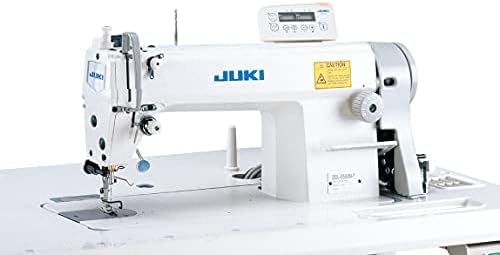
Figure 4: Close-up of the JUKI DDL-5550N machine head, highlighting threading points.
3.2 Bobbin Winding and Insertion
The machine features a built-in bobbin winder. Place an empty bobbin on the winder spindle, guide the thread from the spool through the tension guide for bobbin winding, and engage the winder. Once full, insert the bobbin into the bobbin case and then into the machine's shuttle mechanism.
3.3 Adjusting Stitch Length
The stitch length can be adjusted using the dial located on the machine head. Rotate the dial to select the desired stitch length (Max. 5mm) according to your fabric and project requirements.
3.4 Sewing Operation
Place your fabric under the presser foot. Lower the presser foot using the knee lift or hand lever. Gently press the foot pedal to start sewing. The machine is optimized for light to medium weight fabrics.
4. Maintenance and Care
Regular maintenance ensures the longevity and optimal performance of your JUKI DDL-5550N.
4.1 Cleaning
Regularly clean lint and dust from the bobbin area, feed dogs, and tension discs using a small brush or lint remover. Keep the machine's surface clean.
4.2 Oiling
The machine requires periodic oiling. Consult the specific oiling points in your detailed manual or diagrams. Use only high-quality sewing machine oil. Proper oiling reduces friction and wear on moving parts.
4.3 Needle Replacement
Replace needles frequently, especially when working with different fabric types or if you notice skipped stitches or fabric damage. Use DB X 1 needles, sizes 9-18, appropriate for your material.
5. Troubleshooting Common Issues
This section addresses common operational issues and their potential solutions.
- Skipped Stitches: Check needle insertion (flat side to the back), ensure the needle is not bent or dull, re-thread the machine, and verify correct needle size for the fabric.
- Thread Breakage: Inspect threading path for snags, check tension settings (too tight), ensure needle is correctly inserted and not damaged, and use quality thread.
- Uneven Stitches: Adjust upper and bobbin thread tension. Ensure consistent fabric feeding.
- Machine Noise/Vibration: Ensure proper oiling. Verify all screws are tightened. Industrial clutch motors naturally produce some noise.
- Fabric Not Feeding: Check if the presser foot is lowered. Ensure feed dogs are engaged.
6. Technical Specifications
| Feature | Specification |
|---|---|
| Product Dimensions | 48 x 36 x 48 inches (assembled unit) |
| Item Model Number | DDL-5550N |
| ASIN | B005I5DH6Q |
| Item Weight | 250 pounds |
| Manufacturer | JUKI |
| Date First Available | June 27, 2009 |
| Color | White |
| Power Supply | 110V with industrial clutch motor |
| Needle Type | DB X 1, sizes 9-18 |
| Max. Sewing Speed | 5500 stitches/minute |
| Max. Stitch Length | 5mm |
| UPC | 189684000282, 189684000558 |
7. Warranty and Support
7.1 Return Policy
This product typically comes with a 30-day return policy for refund or replacement. Please refer to your purchase agreement for specific details.
7.2 Protection Plans
Extended protection plans may be available for purchase, offering additional coverage beyond the standard return policy. Examples include 3-Year and 4-Year Protection Plans.
7.3 Customer Support
For technical assistance, parts, or service, please contact the seller, Global Industrial Sewing Supplies, or JUKI customer support directly. Contact information is usually provided with your purchase documentation.
8. Important Notes
Please be advised that this is industrial equipment. Minor blemishes and scratches on the table and legs may occur during the production process, and these do not indicate any defect or deficiency in the operation of the unit. Industrial clutch motors produce noise during operation. Table color may vary depending on availability.


