

1. Introduction and Product Overview
The TYC 1-17923 Replacement Starter is engineered to meet or exceed Original Equipment (OE) specifications, providing a reliable and durable solution for your BMW vehicle. This starter is built with 100% new components, including bearings, brushes, armature, field case assembly, solenoid, and starter drive, ensuring a longer service life compared to remanufactured units.
Key features include:
- Premium Quality: Manufactured under OE specifications and ISO Quality Standards.
- Better Performance: Upgraded principal components, 100% new and lubricated.
- Perfect Fit: Direct replacement with OE-comparable mounting provisions for precise fitment.
- No Core Charge: Unlike remanufactured starters, there is no old part return required.

Figure 1: Front view of the TYC 1-17923 Replacement Starter. This image displays the main body of the starter, including the motor housing and the solenoid, with the drive gear visible at the front.
2. What's in the Box
Upon opening the package, you will find the following component:
- One (1) TYC 1-17923 Replacement Starter
3. Installation Guidelines
Installation of an automotive starter requires specific tools, technical knowledge, and adherence to safety protocols. It is highly recommended that this product be installed by a qualified automotive technician.
3.1 Safety Precautions
- Always disconnect the vehicle's battery (negative terminal first) before beginning any electrical work.
- Ensure the vehicle is securely supported on jack stands or a lift.
- Wear appropriate personal protective equipment (PPE), including safety glasses and gloves.
- Allow the engine to cool down completely before working on it.
- Refer to your vehicle's specific service manual for detailed removal and installation procedures.
3.2 General Installation Steps (Consult Vehicle Manual for Specifics)
- Locate the existing starter motor on your BMW.
- Disconnect all electrical connections from the old starter.
- Remove the mounting bolts securing the old starter to the engine/transmission.
- Carefully remove the old starter.
- Compare the new TYC starter with the old unit to ensure proper fitment.
- Install the new TYC starter, ensuring all mounting bolts are tightened to the manufacturer's specifications.
- Reconnect all electrical connections, ensuring they are secure and free from corrosion.
- Reconnect the vehicle's battery (positive terminal first, then negative).
- Test the starter operation.

Figure 2: Rear view of the TYC 1-17923 Replacement Starter. This image shows the electrical terminals and mounting points, crucial for proper installation.
4. Operating Principles
The TYC 1-17923 Replacement Starter is an integral component of your vehicle's starting system. When the ignition key is turned to the "start" position, electrical current flows from the battery to the starter solenoid. The solenoid then engages the starter drive gear with the engine's flywheel and simultaneously sends power to the starter motor. The motor spins the flywheel, which in turn cranks the engine until it starts. Once the engine begins to run, the starter drive disengages from the flywheel to prevent damage.
5. Maintenance
The TYC 1-17923 Starter is designed for long-term, maintenance-free operation. However, to ensure optimal performance and longevity of your vehicle's starting system, consider the following general maintenance tips:
- Battery Health: Ensure your vehicle's battery is in good condition and fully charged. A weak battery can put undue strain on the starter.
- Electrical Connections: Periodically inspect all electrical connections to the starter for corrosion or looseness. Clean and tighten as necessary.
- Cable Integrity: Check battery cables and starter cables for fraying, cracks, or damage. Replace any damaged cables promptly.
- Engine Condition: A well-maintained engine that starts easily reduces the workload on the starter.
6. Troubleshooting
If you experience issues with your vehicle's starting system after installing the TYC 1-17923 Starter, consider the following common troubleshooting steps. Always consult a qualified technician for complex diagnostics.
| Symptom | Possible Cause | Solution |
|---|---|---|
| Engine does not crank or cranks slowly | Weak or dead battery; Loose or corroded battery terminals; Faulty ignition switch; Wiring issue; Starter solenoid issue. | Check battery voltage and charge/replace if necessary. Clean and tighten battery terminals. Inspect all wiring connections to the starter. Consult a technician for ignition switch or internal starter diagnostics. |
| Starter spins but engine does not crank (whirring sound) | Bendix drive (starter drive gear) not engaging flywheel; Damaged flywheel teeth. | This indicates an issue with the starter drive or flywheel. Professional inspection and repair are required. |
| Clicking sound when attempting to start | Low battery voltage; Faulty starter solenoid; Loose connections. | Check battery charge. Inspect and tighten all electrical connections. If battery and connections are good, the solenoid may be faulty. |
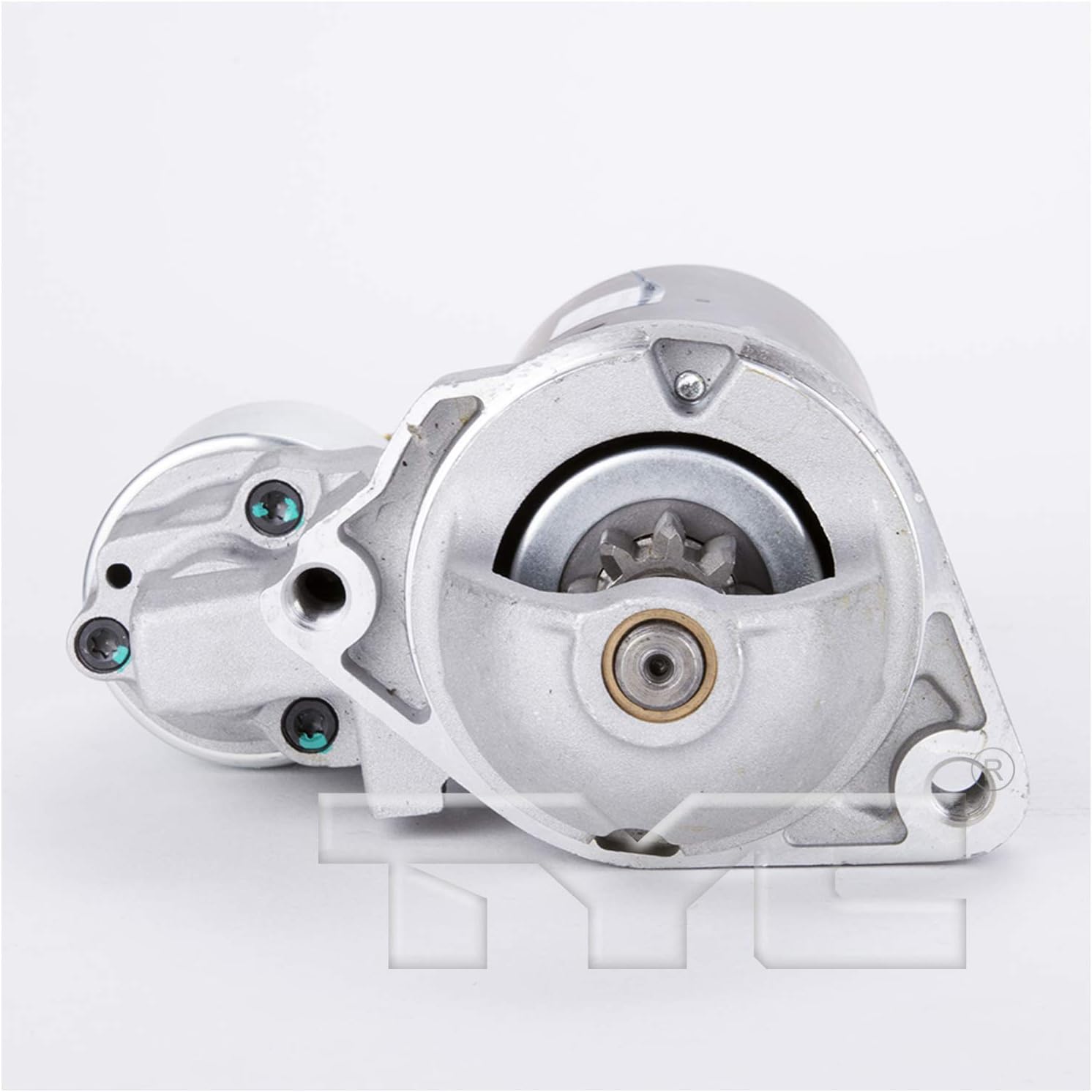
Figure 3: End view of the TYC 1-17923 Replacement Starter, highlighting the drive gear. This gear engages with the engine's flywheel to initiate cranking.
7. Specifications
| Attribute | Detail |
|---|---|
| Brand | TYC |
| Model Number | 1-17923 |
| Manufacturer Part Number | 1-17923 |
| OEM Part Number | 12-41-7-537-513 |
| Voltage | 12 Volts (DC) |
| Material | Metal |
| Item Weight | 8 pounds |
| Country of Origin | Taiwan |
| UPC | 762405272535 |
| Date First Available | June 22, 2011 |
8. Warranty and Support
The TYC 1-17923 Replacement Starter comes with a 2-Year Warranty. This warranty covers defects in materials and workmanship under normal use and service.
For warranty claims, technical support, or any inquiries regarding your TYC product, please contact TYC customer service through their official website or authorized distributors. Please have your product model number (1-17923) and purchase information ready when contacting support.
For more information, visit the official TYC Store on Amazon.