
NGK 7252
NGK 7252 Spark Plug User Manual
Model: 7252
Introduction
The NGK 7252 Spark Plug is a high-quality component designed to provide reliable ignition for your engine. Engineered with advanced materials and manufacturing processes, this spark plug ensures efficient combustion, contributing to optimal engine performance and fuel economy. This manual provides essential information regarding its features, installation, maintenance, and specifications.

Image: The NGK 7252 Spark Plug, showcasing its ceramic insulator and metal body.
Key Features
- Trivalent Metal Plating: Provides superior anti-corrosion and anti-seizing properties, ensuring durability and ease of removal.
- Corrugated Ribs: Designed to prevent flashover, which can lead to misfires and reduced performance.
- Pure Alumina Silicate Ceramic Insulator: Offers superior strength and excellent heat transfer capabilities, maintaining optimal operating temperatures.
- Copper Core: Aids in efficient heat removal from the firing tip, preventing overheating and pre-ignition.
- Triple Seals: Engineered to prevent leakage of combustion gases, ensuring consistent performance and preventing damage to the ignition system.
Setup and Installation
Proper installation is crucial for the optimal performance and longevity of your NGK spark plugs. Always refer to your vehicle's service manual for specific instructions and torque specifications. The following are general guidelines:
- Preparation: Ensure the engine is cool before beginning. Disconnect the negative terminal of the battery. Identify the spark plug wires or coil packs and carefully remove them.
- Removal of Old Plugs: Use a spark plug socket to loosen and remove the old spark plugs. Inspect them for signs of wear or damage, which can indicate engine issues.
- Gap Check: While NGK spark plugs are typically pre-gapped for common applications, it is recommended to verify the gap using a wire-type feeler gauge according to your vehicle's specifications. Adjust if necessary by carefully bending the ground electrode.
- Installation of New Plugs: Thread the new spark plugs into the cylinder head by hand to prevent cross-threading. Once finger-tight, use a torque wrench to tighten them to the manufacturer's specified torque. Overtightening can damage the spark plug or cylinder head.
- Reconnection: Reattach the spark plug wires or coil packs, ensuring they are securely connected. Reconnect the battery.

Image: A close-up view of the NGK spark plug's electrode and threaded section, highlighting the precision engineering.
Operating Principles
The spark plug is a critical component in a gasoline engine's ignition system. Its primary function is to ignite the air-fuel mixture in the combustion chamber. High voltage from the ignition coil is sent to the spark plug, creating an electrical arc (spark) across the gap between the center and ground electrodes. This spark ignites the compressed mixture, initiating the power stroke of the engine. The NGK 7252 is designed to deliver a consistent and powerful spark under various operating conditions, ensuring efficient combustion and reliable engine starts.
Maintenance
Spark plugs are wear items and require periodic inspection and replacement to maintain engine performance. Consult your vehicle's owner's manual for recommended service intervals. General maintenance tips include:
- Regular Inspection: Periodically inspect spark plugs for signs of wear, fouling (carbon, oil, or ash deposits), or damage to the electrodes.
- Timely Replacement: Replace spark plugs at the intervals recommended by your vehicle manufacturer. Worn spark plugs can lead to misfires, reduced fuel efficiency, and increased emissions.
- Proper Gapping: Ensure the spark plug gap is correct for your engine. An incorrect gap can lead to poor ignition.
- Cleanliness: Keep the area around the spark plug wells clean to prevent debris from falling into the combustion chamber during removal or installation.
Troubleshooting
If you experience engine performance issues, spark plugs can often be a contributing factor. Here are some common symptoms and potential causes:
| Symptom | Possible Cause (Spark Plug Related) |
|---|---|
| Engine Misfires or Rough Idling | Worn, fouled, or incorrectly gapped spark plug; cracked insulator. |
| Reduced Fuel Economy | Worn or fouled spark plugs leading to inefficient combustion. |
| Difficulty Starting Engine | Weak or no spark due to worn electrodes or damaged plug. |
| Loss of Engine Power/Acceleration | Ineffective ignition from worn or damaged spark plugs. |
| Check Engine Light (CEL) | Often triggered by misfires detected by the engine's computer, which can be caused by faulty spark plugs. |
If troubleshooting does not resolve the issue, it is recommended to consult a qualified automotive technician.
Specifications
| Attribute | Detail |
|---|---|
| Brand | NGK |
| Model Number | 7252 |
| Manufacturer Part Number | FR5-1 |
| Core Material | Copper |
| Top Material Type | Ceramic, Metal |
| Vehicle Service Type | UTV (and other compatible vehicles) |
| Item Weight | 1.76 ounces |
| Product Dimensions | 4 x 3.5 x 1 inches |
| UPC | 087295172520 |
| Global Trade Identification Number | 00087295172520 |
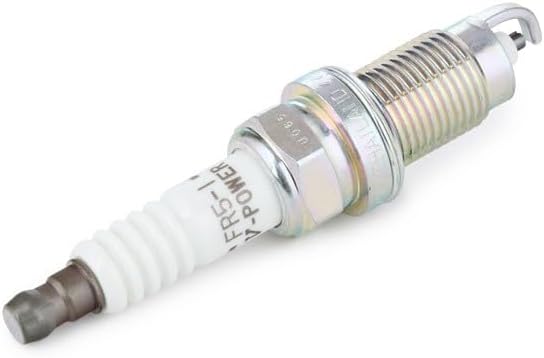
Image: Side view of the NGK spark plug, illustrating its construction and dimensions.
What's in the Box
Each package of NGK 7252 Spark Plug contains:
- 1 x NGK 7252 Spark Plug (SPARK PL)
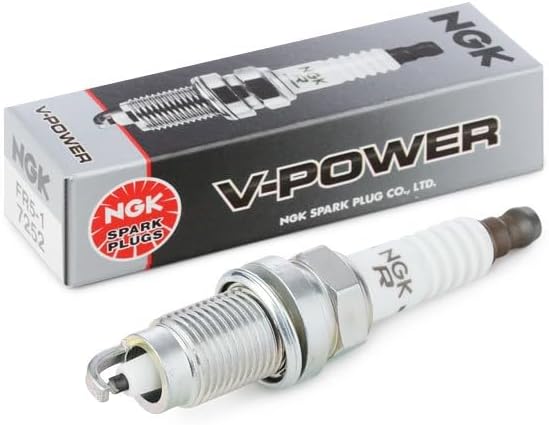
Image: The NGK 7252 Spark Plug shown alongside its V-Power packaging.
Warranty and Support
NGK spark plugs are manufactured to high standards of quality and performance. For specific warranty information or technical support, please refer to the official NGK website or contact their customer service department. Keep your purchase receipt as proof of purchase for any warranty claims.
For further assistance, you may visit the NGK Spark Plugs official website.
Related documents7252


Ask a question about this manual
Ask about setup, troubleshooting, compatibility, parts, safety, or missing instructions. Manuals+ will review the question and use this page’s manual context to help answer it.